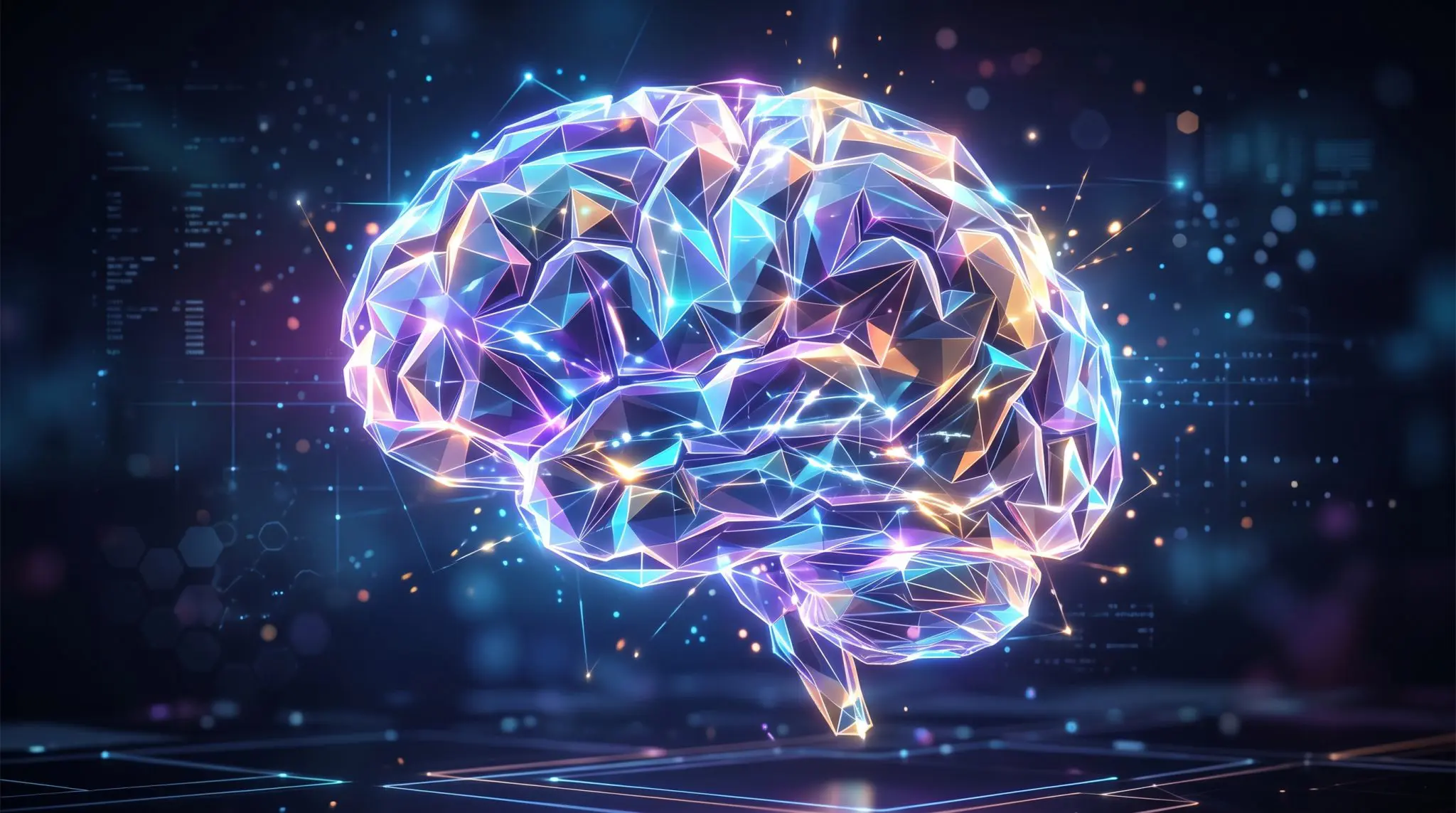
Keith Hengen of WashU Arts & Sciences and Whitney Armstrong at Argonne National Laboratory will co-lead research into maximizing quantum sensor accuracy with $750,000 in funding from the U.S. Department of Energy’s Genesis Mission. Hengen, an associate professor of biology, is applying his neuroscience research on the brain’s computational power to this computing challenge.
Key to the project is a concept Hengen describes as “a complex system when it’s balanced at the tipping point between order and chaos,” which is believed to maximize information processing. “At criticality, information processing is maximized,” Hengen said, suggesting this balance could also reduce energy consumption in quantum sensors.
Superconducting Polychronous Computation Aims to Improve Quantum Sensor Accuracy
A $750,000 grant from the U.S. The project seeks to apply these neuroscience-derived insights to the design of more efficient and precise quantum sensors. By mimicking the brain’s computational strategies, researchers hope to overcome limitations in current sensor technology and unlock new possibilities in fields ranging from materials science to medical diagnostics. This cross-disciplinary approach highlights a growing trend of borrowing principles from biological systems to advance technological innovation.
For obvious reasons, we believe the brain must be tuned near criticality for optimal thinking and learning.
Keith Hengen, Associate Professor of Biology at WashU Arts & Sciences



See today’s quantum computing news on Quantum Zeitgeist for the latest breakthroughs in qubits, hardware, algorithms, and industry deals.