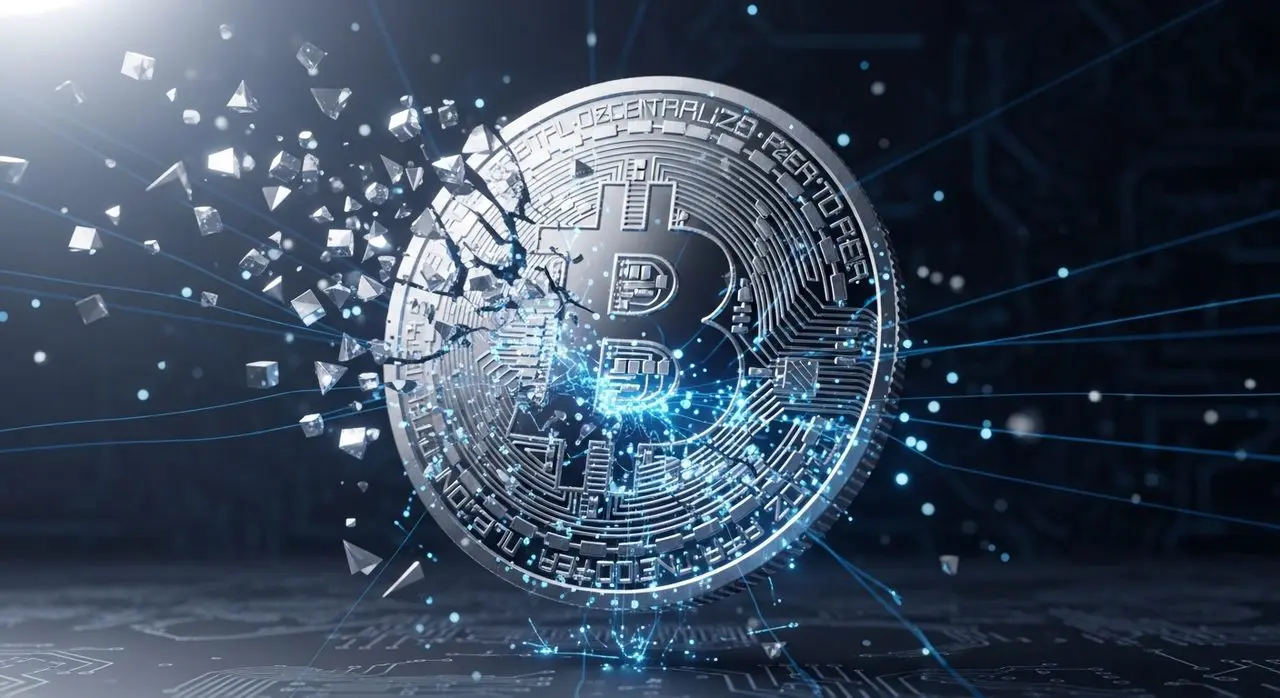
Sectora Foundation launched the SECT token establishing a capped supply of 50 million tokens for its quantum cybersecurity network. The launch includes locking $1,000,000 in initial liquidity on Uniswap, a commitment to stability often absent in new token offerings. Sectora plans a one-time burn of 50% of the SECT supply, reducing the total to 25 million tokens; the founders state, “Sectora is a long-term project, with a fixed supply, a renounced contract, locked liquidity and a public audit.” Sectora Shield, the company’s post-quantum security engine, is built on NIST FIPS 203, 204 and 205 standards.
Sectora Shield: Post-Quantum Security Built on NIST Standards
These Federal Information Processing Standards provide a specific, validated framework for cryptographic algorithms, demonstrating a proactive approach to securing cryptocurrency infrastructure and tokenized assets against future vulnerabilities. This burn is intended to create deflationary pressure and potentially increase the value of remaining tokens over time, a strategy supported by a commitment to use 80% of revenue from the forthcoming Validation Network to repurchase and burn additional tokens.
The company’s founders stated, “We want our community to grow alongside the project, steadily and progressively,” reflecting a long-term vision for the token’s role within the Sectora ecosystem. Beyond tokenomics, Sectora has prioritized transparency and security through several key measures. The smart contract governing $SECT has been renounced, eliminating the possibility of future minting, and charges zero transaction fees, reducing friction for users.
Sectora is a long-term project, with a fixed supply, a renounced contract, locked liquidity and a public audit.

See today’s quantum computing news on Quantum Zeitgeist for the latest breakthroughs in qubits, hardware, algorithms, and industry deals.