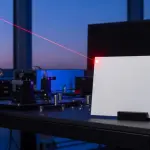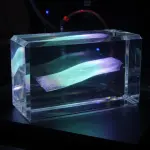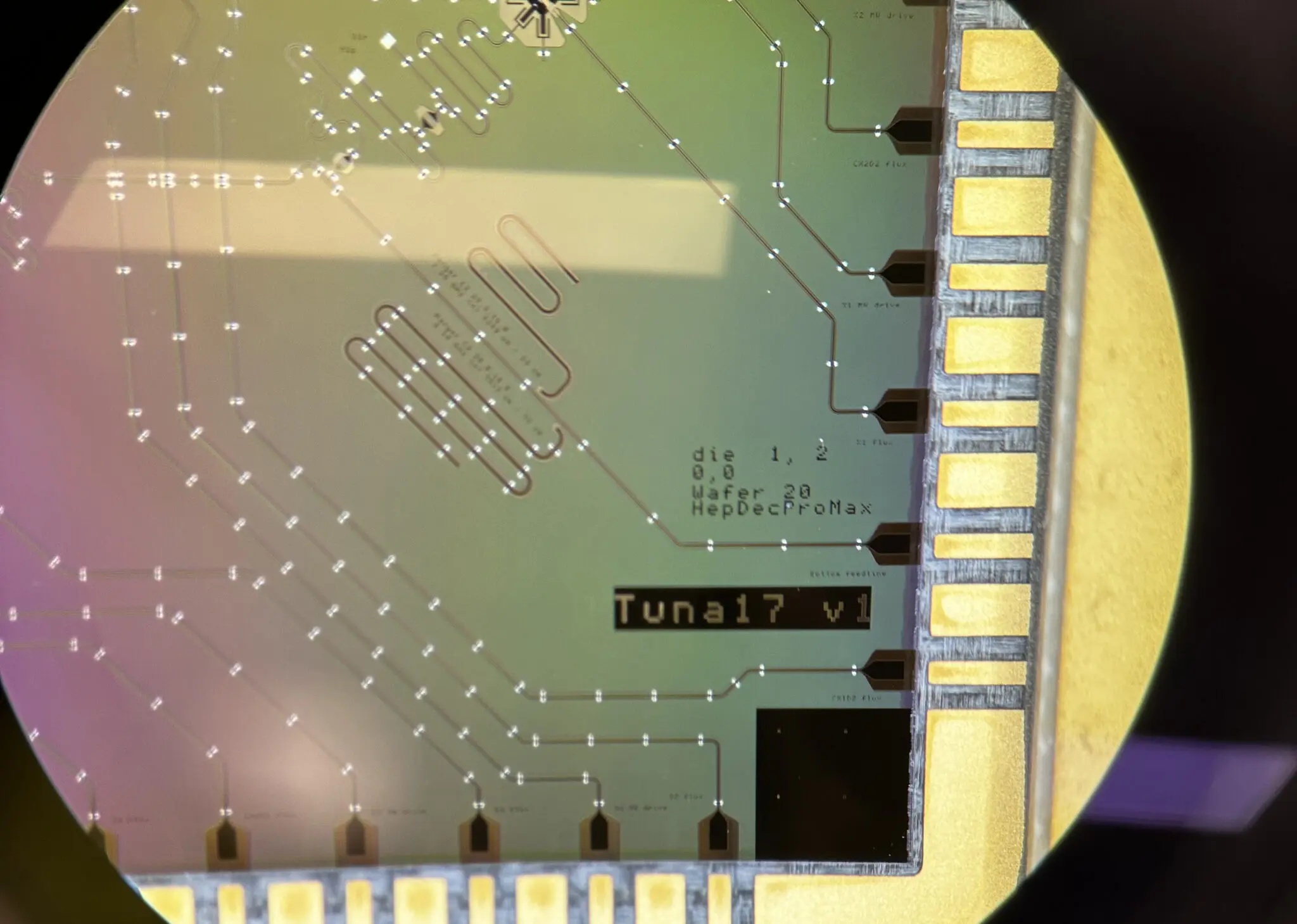
Delft University of Technology has unveiled Tuna-17, a 17-qubit superconducting quantum computer and the third such processor released by the team in one year, following Tuna-5 and Tuna-9. Developed by the DiCarlo Lab at QuTech, Tuna-17 is notable for its open access; researchers, students, and educators worldwide can utilize the real quantum hardware via the Quantum Inspire cloud platform without usage caps. The team notes that building a superconducting quantum system of this complexity and performance is a major technical achievement, and that it is openly accessible and free to use. This full-stack integration, built entirely within a European value chain, represents a significant step toward enabling quantum error correction experiments and a wider range of advanced quantum algorithms.
The DiCarlo Lab at QuTech has rapidly advanced superconducting quantum processor development, culminating in the release of Tuna-17. This 17-qubit system follows closely on the heels of Tuna-5 and Tuna-9, demonstrating an accelerating development cycle with three releases within a single year. This iterative progress underscores the lab’s focus on scalability, designing the Tuna architecture with future expansion in mind. This open-access approach is central to QuTech’s vision for European quantum technology, fostering collaboration and independence. The team explains that the system is built entirely within a 100% European value chain, with contributions from TNO, Orange Quantum Systems, Qblox, Delft Circuits, and QuantWare, solidifying a robust domestic supply chain. Tuna-17’s 17 qubits and 24 tunable couplers are specifically designed to facilitate quantum error correction experiments, alongside supporting advanced algorithms like low-depth factorisation and near-term (NISQ) applications; the team is already working on Tuna-28, signaling continued momentum. Researchers report optimizing the frequency positioning of tunable couplers to mitigate spectator effects on quantum operations, as detailed in a recent Physical Review Letters publication.
Its universal gate set and mid-circuit measurements also support a wide range of advanced quantum algorithms, such as low-depth factorisation and near-term (NISQ) experiments.
QuTech
A growing number of superconducting processors are emerging from research labs, yet access to these systems often remains limited to select institutions. However, an approach originating in Europe is challenging this paradigm. QuTech, in collaboration with the broader Delft quantum technology ecosystem, recently released Tuna-17, a 17-qubit superconducting quantum computer now accessible globally via the Quantum Inspire cloud platform. This availability represents a departure from the typically restricted access characterizing many advanced quantum systems, allowing researchers, students, and educators worldwide to engage directly with real quantum hardware. This collaborative effort extends beyond component supply; QuTech, alongside European industrial partners, is establishing a dedicated unit focused on open-architecture system integration, aiming for interoperability between hardware and software layers.
Unlike many quantum computers with restricted access, Tuna-17 offers free and open use to a global audience of researchers, students, and educators, fostering wider experimentation and skill-building. This open-architecture approach aims to move the technology toward interoperability, diverging from closed, vertically integrated systems, and is supported by a dedicated unit focused on system integration in Delft.
Source: https://qutech.nl/2026/07/07/quantum-inspire-adds-new-open-architecture-quantum-processor-tuna-17/
See today’s quantum computing news on Quantum Zeitgeist for the latest breakthroughs in qubits, hardware, algorithms, and industry deals.