Nearly 40 million specimens and artifacts comprising the Field Museum’s collection may soon yield new insights through the power of quantum computing. Researchers at the Field Museum and the Illinois Quantum and Microelectronics Park are collaborating to apply emerging quantum technologies to longstanding questions in natural history, initially focusing on the analysis of stardust, reconstruction of the tree of life and quantum biosensing.
Philipp Heck, Senior Director of the Negaunee Integrative Research Center at the Field Museum, explained that stardust grains are “literally part of our origin story,” and quantum computing could allow scientists to determine their ages and formation histories without consuming the sample itself. This approach promises to unlock far more information from spectroscopic data than currently possible.
Stardust Spectroscopy Enhanced by Quantum Computing for Galaxy Origins
Spectroscopic analysis of stardust grains, some of the oldest and most extraordinary material available to science, stands to gain significant refinement through the application of quantum computing techniques. Current spectroscopic methods, while non-destructive, reach limits in the amount of information they can yield from these minute particles; researchers are now exploring how quantum computers could predict the expected light reflection from minerals, allowing for extraction of far more data.
This potential leap in analytical power addresses a critical constraint in stardust research, as each grain is a finite resource, consumed in the process of many analyses. With thousands of data points rather than a handful, researchers could analyze distributions across grains and begin to understand how the galaxy itself evolved over time.
The IQMP’s National Quantum Algorithm Center (NQAC) is facilitating this connection, focusing on identifying areas where quantum computing can provide a benefit. According to NQAC, the approach is to connect domain experts with the resources needed to determine where quantum computing can be most effectively applied, rather than seeking a use case for the technology in isolation.
“Using empirical data sets from the museum’s collections is why the quantum meeting was so exciting. These data sets can ground quantum research in tangible, meaningful problems.” Quantum-enhanced sensing could also offer methods to extract more information from rare specimens while preserving them for future study, ensuring these invaluable resources remain available for generations to come.
After traveling through the galaxy for billions of years, this stardust eventually reached the region where our solar system formed.
Philipp Heck, Senior Director of the Negaunee Integrative Research Center and the Robert A. Pritzker Curator of Meteoritics and Polar Studies at the Field Museum
Quantum Optimization Applied to Reconstructing the Tree of Life
Reconstructing evolutionary relationships across all living organisms is an area of study Field Museum researchers are exploring with quantum computing. Ruane stated, “One of the exciting things about quantum is being able to reconstruct with accuracy the entire tree of life — all living organisms, together.” This ambition moves beyond studying individual species groups, aiming for a comprehensive understanding of life’s interconnectedness.
The potential of quantum computing extends to analyzing environmental DNA, genetic traces left by organisms in their surroundings, allowing scientists to study ecosystems without physical specimens. Museum researchers regularly work with degraded or difficult-to-access biological samples, and quantum approaches could enhance the analysis of these limited resources.
The intersection of the Field Museum’s scientific questions and the capabilities of quantum technology is the focus of a new collaboration with the Illinois Quantum and Microelectronics Park. The questions surrounding the origins of the solar system, the evolution of life and the chemistry of the natural world are precisely the types that quantum technology was designed to address.
According to the collaboration, “By connecting one of Chicago’s established scientific anchors with an emerging one, the relationship between the Field Museum and the IQMP offers a model for how the city’s existing strengths can connect with new technologies taking shape here and could give them entirely new ways to search for the answers.” Researchers are now working to translate these scientific challenges into specific computational questions for deeper investigation, anticipating that there will be a moment when they find the right algorithms for real problems and real data. However, it is important to note that these reconstructions are currently termed “inferences,” not definitive answers.
Rather than starting with quantum technology and searching for a use case, NQAC can connect domain experts with the people and resources needed to determine where quantum could provide a meaningful advantage.
Gabriel Seidman, Executive Director, NQAC
Field Museum and IQMP Explore Quantum Problem Solving
These specific research paths were identified as prime candidates for using the potential of quantum computing to address long-standing scientific challenges. The museum’s extensive collections, accumulated over 130 years, present a unique opportunity for quantum algorithm testing and refinement. “One of the Field Museum’s strengths is using real-world examples to move beyond the hypothetical,” explained a collaborator, highlighting the value of empirical data in grounding quantum research.
According to researchers, “After traveling through the galaxy for billions of years, this stardust eventually reached the region where our solar system formed,” making these particles invaluable for understanding the origins of our cosmic neighborhood. The limited availability of these samples, and the fact that once a grain is consumed in analysis, it is gone, emphasises the need for non-destructive analytical methods that quantum sensing could provide.
Sara Ruane. Quantum computing offers the potential to refine these inferences, though researchers acknowledge the computational demands are significant, noting, “We can’t do this using classical computing – not with any real power.” This collaboration promises to unlock new avenues for exploring the universe’s most enduring mysteries.
By connecting one of Chicago’s established scientific anchors with an emerging one, the relationship between the Field Museum and the IQMP offers a model for how the city’s existing strengths can connect with new technologies taking shape here and could give them entirely new ways to search for the answers.
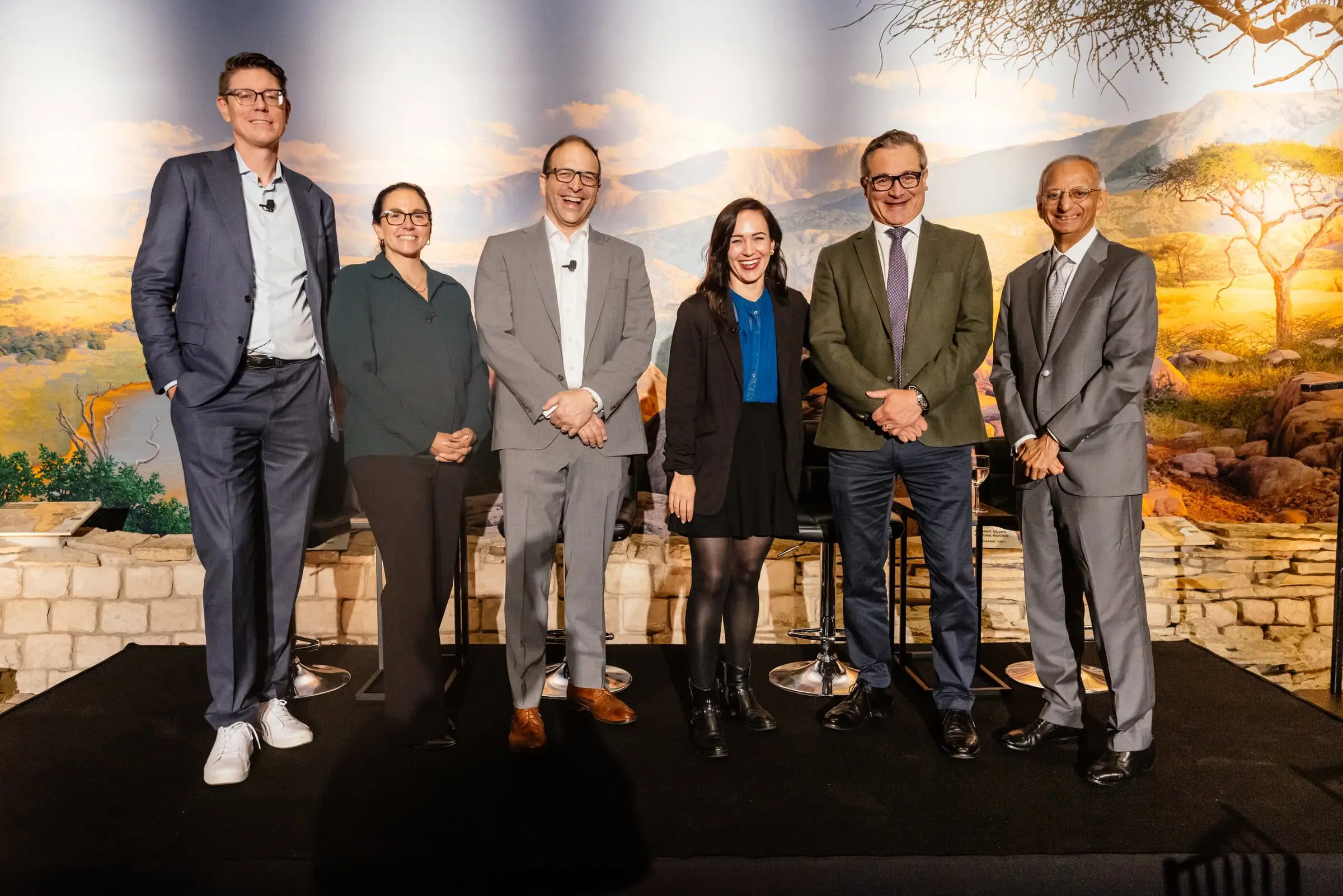
Brad Henderson, CEO of P33, who moderated the quantum panel
Quantum Biosensing Potential for Rare and Degraded Samples
More sensitive sensors could unlock data from even smaller sample sizes, addressing a critical limitation in ecological studies and preserving irreplaceable biological material. These remnants of stars predating our solar system represent a unique window into the origins of the universe, but their scarcity demands analytical techniques that preserve them for future study, Field Museum says. Quantum-enhanced sensing, researchers believe, could offer a pathway to extract more information from these precious specimens while ensuring their long-term preservation for generations of scientists.
There will be a moment when we find the right algorithms for real problems and real data.
Katie Pizzolato, Vice President of Quantum Platform & Global Community at IBM
Source: https://iqmp.org/news/exploring-quantums-potential-to-unlock-the-secrets-of-life-and-the-galaxy/



See today’s quantum computing news on Quantum Zeitgeist for the latest breakthroughs in qubits, hardware, algorithms, and industry deals.