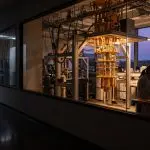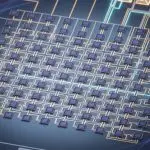
A $3.5 million investment from Ann ‘82 and Alan Fisher is fueling the creation of the Fisher Center for Interdisciplinary Quantum Science & Engineering at Illinois Wesleyan University, establishing an approach to undergraduate quantum education. Illinois Wesleyan will be the first undergraduate liberal arts university in the United States to offer an interdisciplinary quantum program, integrating fields like physics, chemistry, and philosophy to reflect the technology’s broad applications. This commitment to hands-on quantum science is already evident; Wanda Lindquist ’26 is currently conducting research in a quantum lab before the center’s full launch. “The Fisher Quantum Center represents a defining step forward as the first undergraduate interdisciplinary quantum program,” said Illinois Wesleyan University President Sheahon Zenger, emphasizing the center’s potential to prepare students for the complex challenges and opportunities within the rapidly evolving quantum field.
Fisher Center Launches Interdisciplinary Quantum Program
A $3.5 million private gift will create the center and support the development of a curriculum designed to bridge traditionally separate academic disciplines, a departure from the predominantly STEM-focused quantum programs currently available. The center’s design emphasizes a phased rollout, with curriculum expansion, facility upgrades, and collaborative partnerships planned for the future. What highlighted the university’s commitment to a cross-curricular educational model, recognizing the broad applicability of quantum science, which studies matter and energy at the smallest scales and promises to revolutionize industries from computing and cybersecurity to healthcare and finance. Unlike most programs concentrated at the graduate level and within single departments, the Fisher Quantum Center will integrate physics, chemistry, computer science, mathematics, biology, business, philosophy, and engineering.
This curriculum aims to equip students with both the technical expertise and a critical understanding of the broader implications of quantum technologies; Ben Heinz ’27, a physics and instrumental performance double major, has already begun researching the ethical considerations of quantum computing. Ann and Alan Fisher expressed their enthusiasm for the program’s potential, stating that the first courses will be available in Spring, alongside the opening of enhanced quantum lab space, with further expansion planned throughout the year.
Curriculum Connects Diverse Fields for Quantum Science
Students will engage with quantum science through a variety of avenues, including dedicated courses, certificate programs, research opportunities, and internships, all designed to be accessible to undergraduates regardless of their primary field. This commitment extends beyond the university walls; Illinois Wesleyan plans to host a fully funded Quantum Day Camp for high school STEM teachers and counselors beginning in Summer, with a residential Quantum Camp for high school students anticipated for Summer. “We are proud to support the creation of the Fisher Quantum Center and the unique opportunity it creates for students coming to Illinois Wesleyan,” said Ann and Alan Fisher. “The Fisher Quantum Center will open the door for students from many different backgrounds to engage with quantum in a way that is accessible and better prepares them for future careers.” The program’s phased rollout, beginning with courses available in Spring and expanded facilities, aims to establish Illinois as a national leader in quantum workforce development, according to Illinois Economic Development Corporation President and CEO Christy George, who noted the program’s role in developing a skilled workforce.
We are proud to support the creation of the Fisher Quantum Center and the unique opportunity it creates for students coming to Illinois Wesleyan.
Ann and Alan Fisher
Illinois Wesleyan Builds Quantum Workforce Pipeline
Illinois Wesleyan University is actively cultivating a quantum-ready workforce, as demonstrated by Wanda Lindquist ’26, who is currently engaged in quantum research even before the official launch of the Fisher Quantum Center. This commitment is being significantly bolstered by a $3.5 million founding gift from Ann ‘82 and Alan Fisher, providing the resources to establish the center and launch programming. The Fisher Quantum Center will make Illinois Wesleyan the first undergraduate liberal arts university in the United States to offer an interdisciplinary quantum program. The first courses through the Fisher Quantum Center will be available in Spring, alongside enhanced quantum lab space, with programming expanding throughout the year. Beyond the classroom, the Fisher Quantum Center will support outreach initiatives to engage high school teachers and students to strengthen pathways into quantum and STEM fields. Beginning in Summer, Illinois Wesleyan will host a fully funded Quantum Day Camp for high school STEM teachers and counselors from surrounding counties, with a residential Quantum Camp for high school students anticipated for Summer.
The Fisher Quantum Center represents a first-of-its-kind program that will create new opportunities for students to engage with quantum across disciplines while preparing them for the high-quality jobs of the future.
Gov.

See today’s quantum computing news on Quantum Zeitgeist for the latest breakthroughs in qubits, hardware, algorithms, and industry deals.