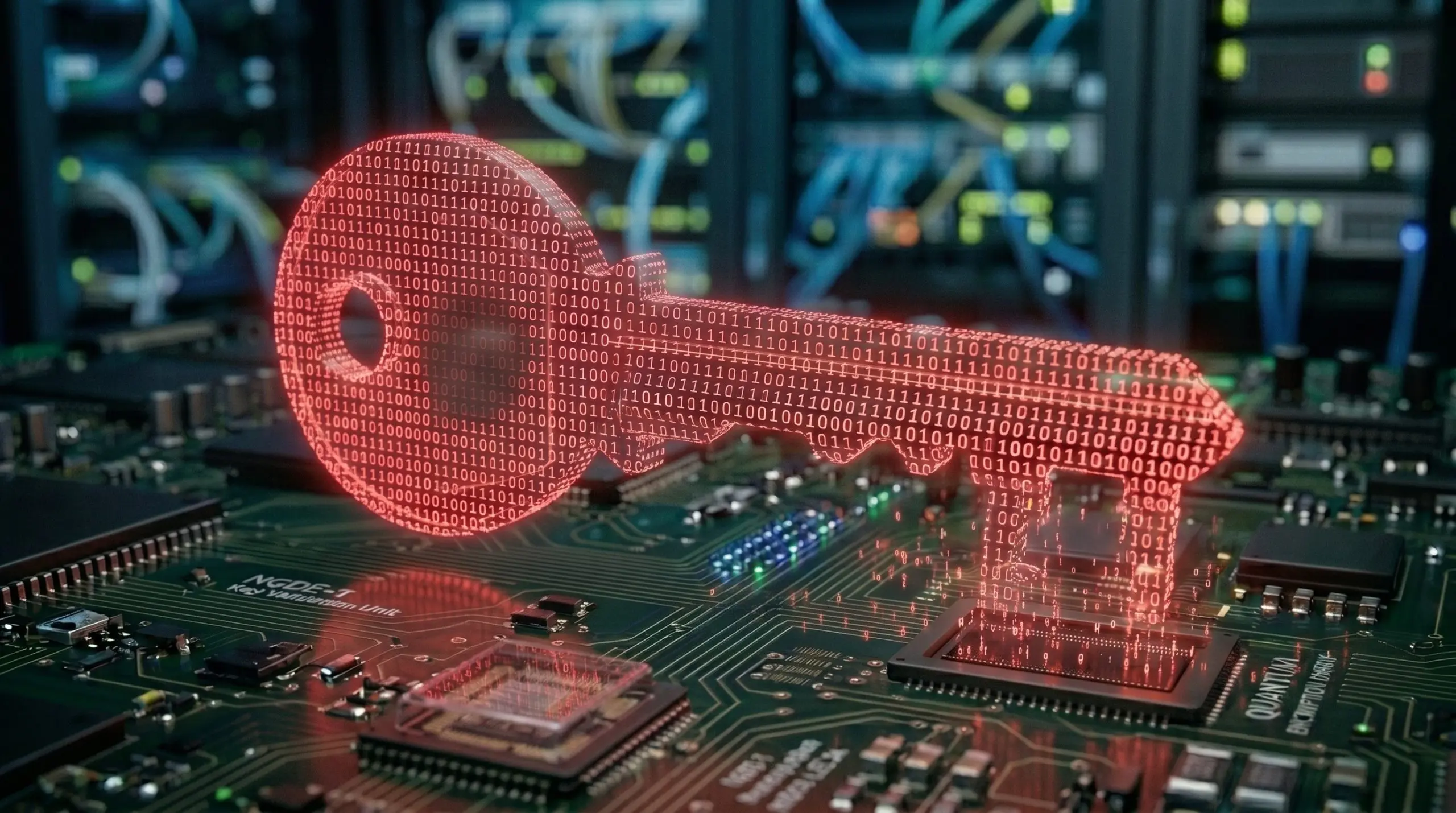
MITRE’s internal research team assessed the maturity of post-quantum cryptography integration across enterprise technologies, revealing a subtle picture of readiness. The assessment specifically excludes technologies not already using asymmetric cryptography, focusing only on areas needing quantum-resistance, while confidentiality and authentication development are evaluated independently, recognizing varying levels of progress in each security function. This approach provides a practical view of where organizations can expect to see PQC integration occur and influence future planning, according to the report.
PQC Maturity Assessment Focuses on Asymmetric Cryptography
MITRE’s assessment of post-quantum cryptography (PQC) solution maturity concentrates on technologies already employing asymmetric cryptography, a deliberate narrowing of scope intended to reflect realistic integration pathways. The evaluation avoids surveying all security needs, instead focusing on areas primed for quantum-resistant upgrades because technologies not currently using asymmetric methods do not require PQC-related changes.
Confidentiality and authentication development are assessed as separate metrics, acknowledging that a capability may be further along in securing one aspect over the other. Confidentiality development specifically tracks adoption of PQC mechanisms protecting data secrecy, such as quantum-resistant key establishment for encrypted communications.
Authentication development measures progress in using PQC mechanisms to verify identity or data integrity through quantum-resistant digital signatures. The report states that “not all capabilities rely on both types of security guarantees, and capabilities may show more progress toward one type of security than the other.” The resulting capability status provides a practical, granular view of PQC integration, rather than a simple determination. This assessment, built on publicly available evidence, aims to provide situational awareness of technological maturity to inform technology refresh cycles and long-term investment decisions.



See today’s quantum computing news on Quantum Zeitgeist for the latest breakthroughs in qubits, hardware, algorithms, and industry deals.