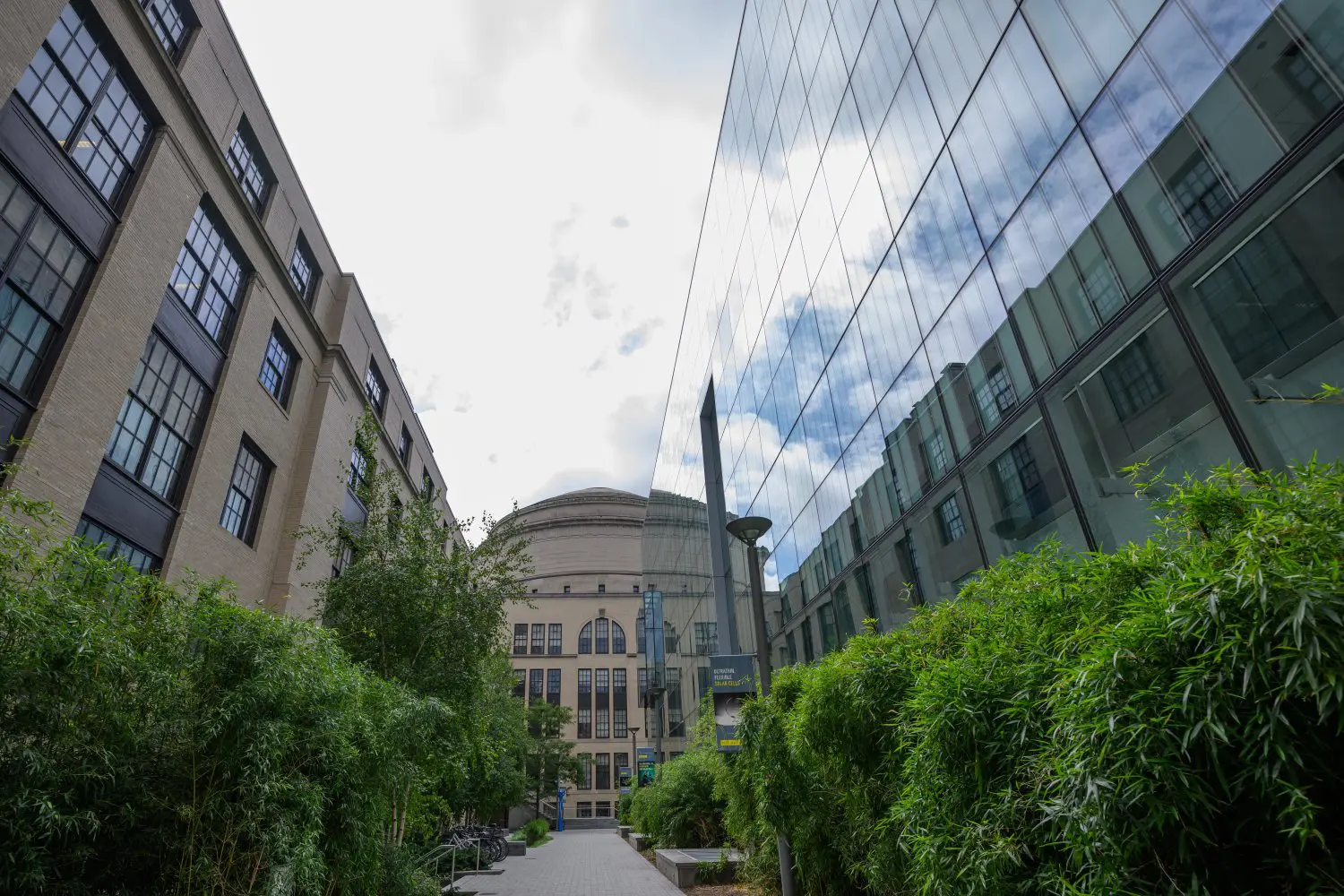
This fall, the first QMIT Fellows will arrive at MIT, establishing a new postdoctoral program designed to connect quantum research with fields like national security and computation. Supported by a grant from the Gordon and Betty Moore Foundation, the initiative aims to cultivate the next generation of quantum leaders by fostering interdisciplinary collaboration across the Institute.
“Quantum science and technology is in a period of extraordinary opportunity, opening new pathways to solving problems across computation, materials, sensing, and communication,” says Anantha Chandrakasan, MIT provost. The program reflects a broader effort, launched in December 2025, to accelerate quantum discovery and apply advances to critical challenges.
QMIT Fellowship Program Launches to Cultivate Quantum Leaders
This initiative directly addresses a growing need for specialized researchers capable of bridging quantum science with diverse application areas, signaling a substantial financial commitment to interdisciplinary quantum research at MIT. The fellowship program focuses on applying advancements in quantum physics to challenges in national security, computation, materials science, sensing, and communication. Danna Freedman, the Frederick George Keyes Professor of Chemistry and faculty director of QMIT, emphasizes the increasingly interdisciplinary nature of quantum science.
“Some of the most exciting breakthroughs will come from researchers who combine deep expertise in quantum with new perspectives from other fields,” she stated. “This fellowship is designed to create exactly those kinds of opportunities.” Eligible applicants have backgrounds spanning physics, chemistry, materials science, and even biological and Earth sciences, with a specific emphasis on those willing to explore intellectual boundaries beyond their core discipline.
Researchers envision potential applications ranging from utilizing quantum systems to unravel complex biological processes, requiring collaboration between atomic physicists, quantum algorithm specialists, and biologists. The QMIT Fellows will integrate into existing research areas including quantum computing, sensing, materials, simulation, and networks, while also exploring the synergy between artificial intelligence and quantum science. Beyond individual projects, the program aims to strengthen MIT’s broader quantum community by fostering mentorship and collaboration across departments like the Research Laboratory of Electronics and the Department of Electrical Engineering and Computer Science.
Ian Waitz, MIT’s vice president for research and head of QMIT, believes the timing is critical. “Quantum research, in the next few years and across a wide range of domains, is going to make the impossible possible,” Waitz said.
“The QMIT fellowship program is an investment in outstanding postdoctoral scholars who will help bring tremendous new quantum capabilities to unforeseen, creative, and transformative applications in science and technology.” QMIT plans to open applications for a second cohort in fall 2026, continuing to build a collaborative research community dedicated to advancing quantum science and its potential impact.
Quantum research, in the next few years and across a wide range of domains, is going to make the impossible possible.
Ian Waitz, MIT’s vice president for research and the head of QMIT


See today’s quantum computing news on Quantum Zeitgeist for the latest breakthroughs in qubits, hardware, algorithms, and industry deals.