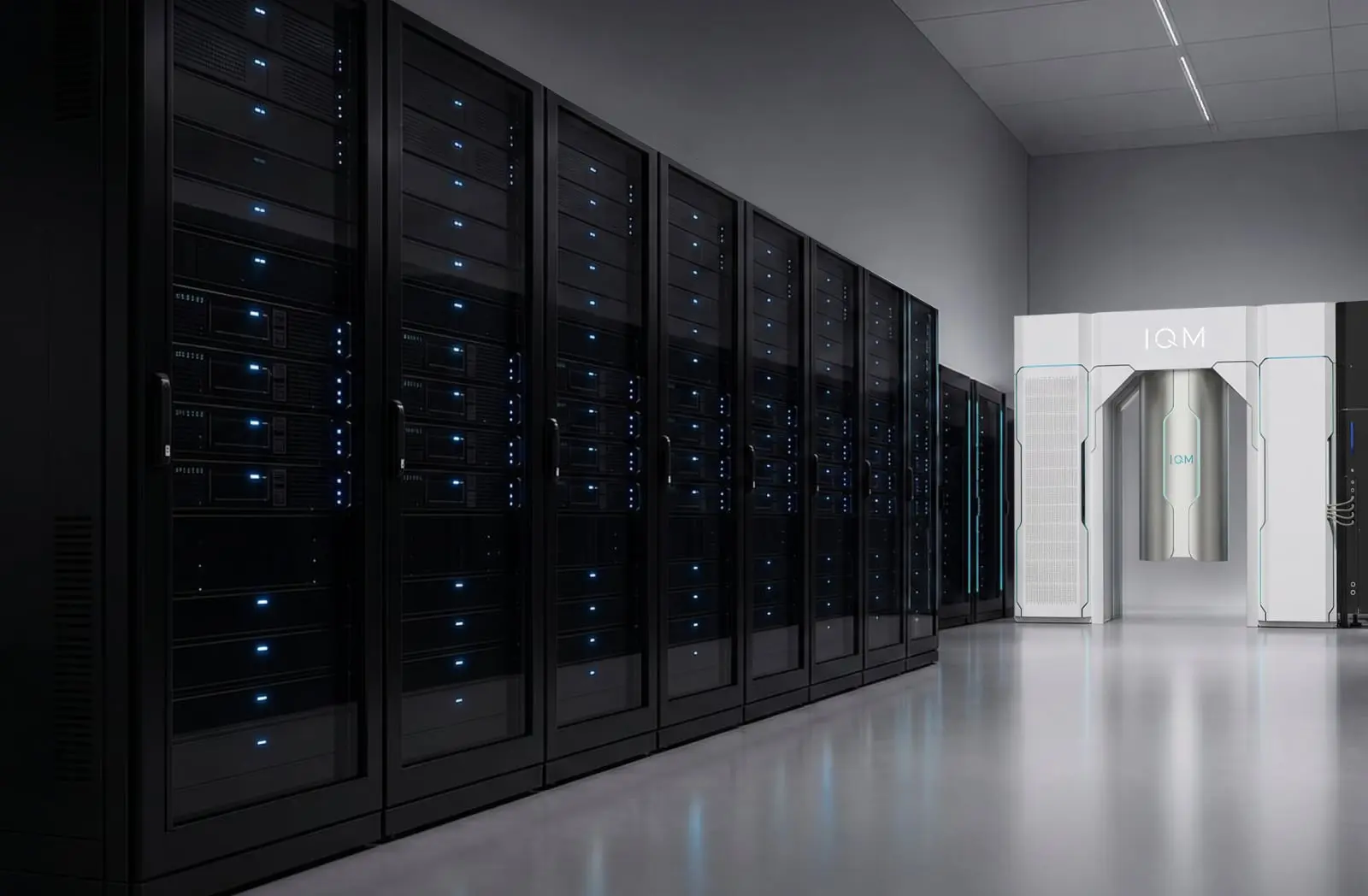
IQM Quantum Computers has launched a service enabling its Radiance quantum computers to function as computational nodes within existing high-performance computing (HPC) environments, specifically integrating as a Slurm node. This means quantum processing power can now be scheduled and managed using the same tools utilized by CPUs and GPUs in major supercomputing centers, a key step toward wider adoption of hybrid quantum-classical computing. The new HPC Integration Service is already running in production at the Leibniz Supercomputing Centre (LRZ) in Germany, where IQM has four quantum computers installed. “We have been hearing about an integration bottleneck from HPC customers for years,” said Jan Goetz, CEO and Co-founder of IQM Quantum Computers. “HPC integration is important work and by removing the complexity, end-users can focus on running quantum workloads instead of spending time programming new routines.”
IQM Radiance Systems Integrated as Slurm Nodes in HPC Environments
This integration bypasses the historically complex process of connecting quantum hardware to existing HPC infrastructure, a challenge that has significantly slowed the adoption of hybrid quantum-classical computing. The company’s new HPC Integration Service reflects a production model where end-users maintain ownership of the hardware, operate it within their own infrastructure, and retain full control over its functionality. This service is underpinned by IQM’s Quantum Device Management Interface (QDMI), an open-source standardization layer designed to address the fragmentation caused by vendor-specific software interfaces that have historically hindered quantum integration efforts. Prof Dieter Kranzlmüller, Chairman of the Board of Directors at Leibniz Supercomputing Centre, emphasized that “Our vision has always been the seamless integration of quantum computing into existing HPC environments, where users can run applications without concern for the underlying hardware.” IQM currently has on-premises systems operating at four of the world’s top ten supercomputing centers, and claims to have sold more quantum systems than any other manufacturer.
IQM Quantum Computers has addressed a longstanding challenge in the field by launching its HPC Integration Service, designed to seamlessly incorporate quantum processing units (QPUs) into existing high-performance computing (HPC) infrastructure. This open approach allows for broader compatibility and reduces vendor lock-in, fostering a more collaborative ecosystem.
Our vision has always been the seamless integration of quantum computing into existing HPC environments, where users can run applications without concern for the underlying hardware.
Source: https://iqm.tech/

See today’s quantum computing news on Quantum Zeitgeist for the latest breakthroughs in qubits, hardware, algorithms, and industry deals.