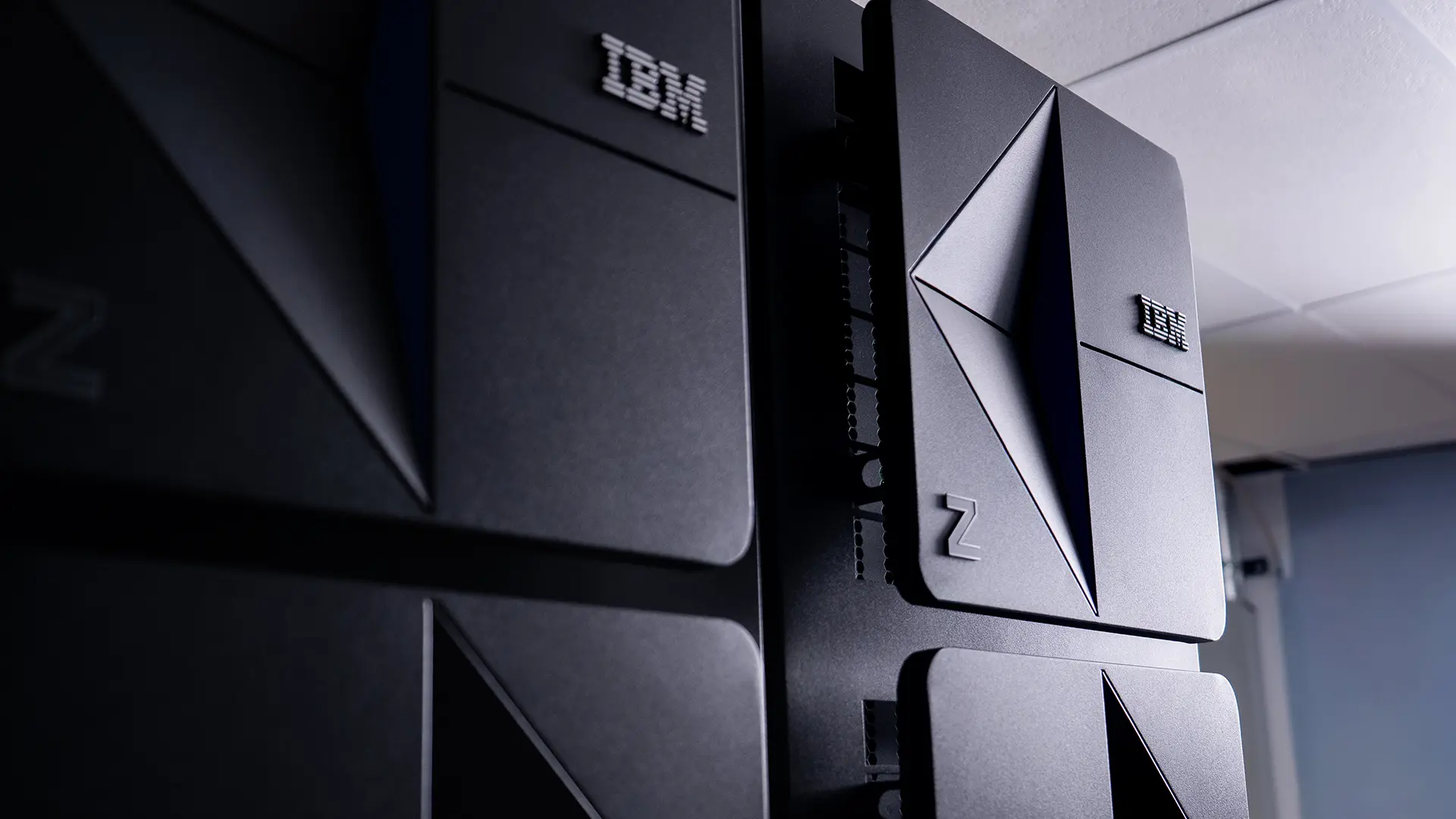
Marist University will deploy an IBM z17 mainframe as the centerpiece of a new Innovation Incubator, expanding a 50-year partnership focused on preparing students for careers in a rapidly changing digital economy. The system will provide substantial AI computing power for research projects spanning marketing, finance, and civic engagement, including a project to proactively test the ethical boundaries of autonomous AI agents.
“At Marist, we believe the future of higher education lies at the intersection of academic excellence and meaningful industry engagement,” said Marist President Kevin Weinman. The incubator aims to connect students and faculty with IBM experts to address real-world challenges and foster innovation across the university.
IBM z17 Mainframe Powers New AI Research Incubator
Marist University’s forthcoming research will apply quantum optimization algorithms to real-time financial data, aiming to generate optimal portfolio allocations, a specific application enabled by the newly installed IBM z17 mainframe. This builds on a more than 50-year partnership between Marist and IBM, now focused on expanding access to advanced computing resources for student research and career preparation. The z17’s substantial processing power will support projects spanning multiple disciplines, with an initial focus on artificial intelligence applications in marketing and finance.
A proactive approach to AI ethics is central to the incubator’s initial projects; researchers plan to run controlled, synthetic marketing campaigns using autonomous AI agent teams. These campaigns will deliberately test the effectiveness of built-in “guardrails” designed to prevent aggressive, deceptive, or unethical tactics, assessing whether those safeguards can contain potential failures.
This red-teaming strategy moves beyond general discussion of AI ethics to a practical evaluation of safety mechanisms under stress. “Academic institutions have long been an important part of the IBM Z ecosystem, bringing new ideas and perspectives to the platform,” said Tina Tarquinio, Chief Product Officer for IBM Z and LinuxONE and IBM’s Senior Location Executive for the Mid-Hudson Valley. The university’s commitment to integrating industry technology into its curriculum is a key driver of this expansion, mirroring a model proven successful through prior collaborations with IBM.
“I’m especially excited to see IBM and Marist, two longstanding leaders in the Mid-Hudson Valley community, build on this partnership,” Tarquinio continued. “By combining IBM’s technology expertise with Marist’s commitment to innovation and student success, we’re creating new pathways for research, learning, and workforce development that prepare students for the future.” Marist’s work with IBM aims to equip students with industry-relevant skills and hands-on learning experiences, preparing them for careers in a rapidly evolving digital economy. The Innovation Incubator’s projects, powered by the z17 mainframe, represent a tangible step towards realizing that vision.
Academic institutions have long been an important part of the IBM Z ecosystem, bringing new ideas and perspectives to the platform.
Tina Tarquinio, Chief Product Officer for IBM Z and LinuxONE and IBM’s Senior Location Executive for the Mid-Hudson Valley
Quantum Algorithms Applied to Real-Time Financial Data Analysis
Unlike classical optimization techniques that can become computationally limited with increasing portfolio complexity, quantum algorithms offer the potential to explore a vastly larger solution space more efficiently. Researchers anticipate that the z17’s processing power will be important for handling the massive datasets inherent in real-time financial analysis, allowing for quicker and more accurate portfolio adjustments. The project will not only explore the technical feasibility of quantum algorithms in this context but also assess their performance against established financial modeling techniques.
“Our longstanding relationship with IBM has always distinguished Marist as a place where students gain access to technology and applied learning experiences,” said Marist President Kevin Weinman. The Marist project differs by focusing specifically on the application of these algorithms to a live financial market, rather than simulated data or theoretical benchmarks.
At Marist, we believe the future of higher education lies at the intersection of academic excellence and meaningful industry engagement.
Kevin Weinman, Marist President




See today’s quantum computing news on Quantum Zeitgeist for the latest breakthroughs in qubits, hardware, algorithms, and industry deals.