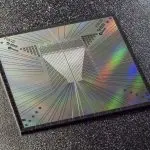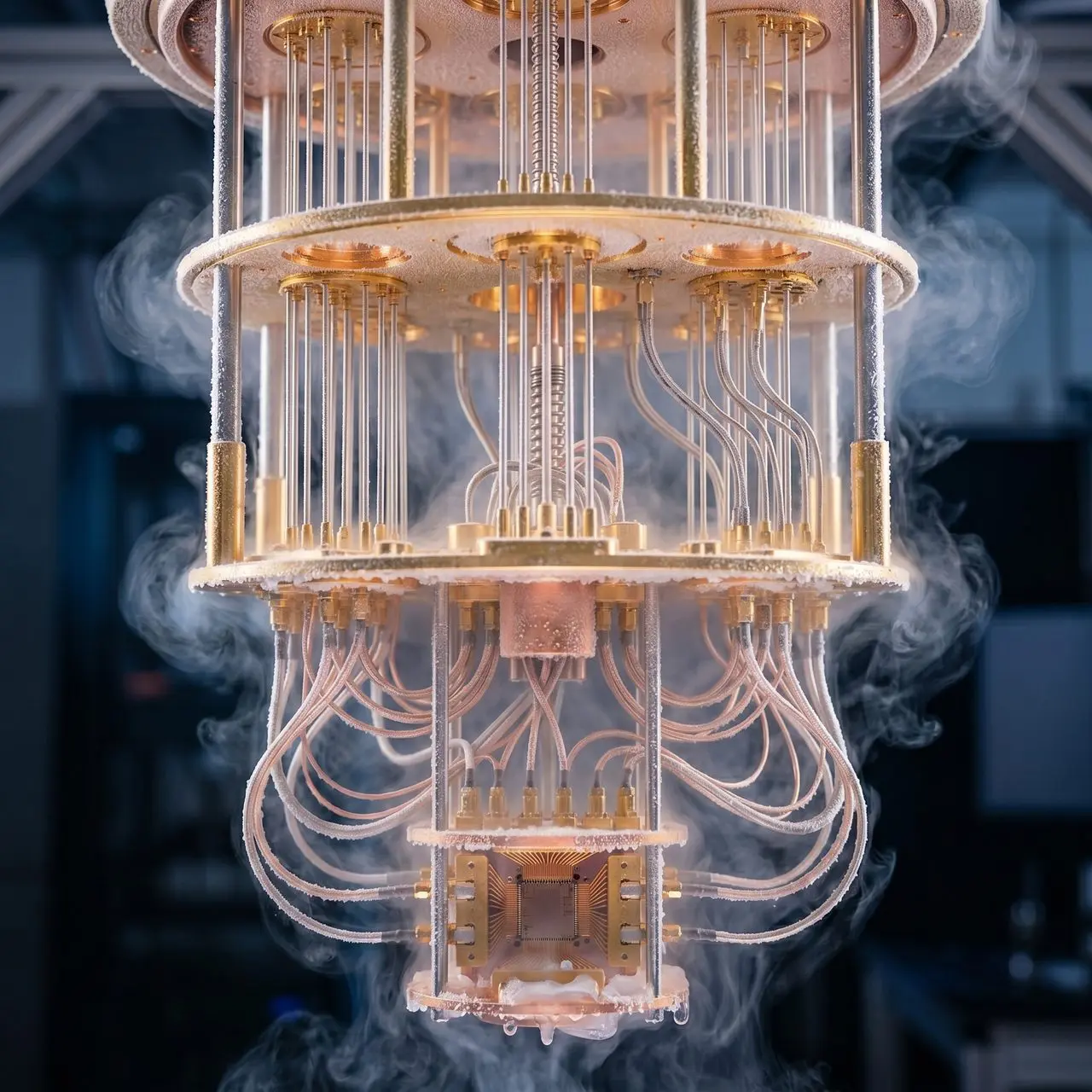
IBM has connected its first modular cryogenic systems, a step toward building quantum computers capable of tackling complex problems. Cooled to below 15 millikelvin, a temperature more than 180 times colder than deep space, the new architecture is designed to link hundreds of quantum chips. This build-out marks progress on IBM’s roadmap to deliver IBM Quantum Starling in 2029, projected to be the first fault-tolerant quantum computer, the company says. “Bringing fault-tolerant quantum computers to industries depends on several fundamental advances,” said Jay Gambetta, Director of IBM Research and IBM Fellow.
Modular Cryogenic System Enables Scalable Quantum Chip Connections
IBM has equipped its new cryogenic systems with wiring space twelve times greater than previous designs, a key step toward linking hundreds of quantum chips. This increased capacity directly addresses a major engineering challenge in scaling quantum computers; more connections between chips are essential for building processors capable of tackling complex calculations. The architecture differs from previous designs with a box-shaped configuration allowing modules to connect in a tight row and utilize the expanded space for direct links between quantum processors using IBM’s L-coupler technology.
These L-couplers facilitate communication and shared operation between separate quantum chips, effectively creating a larger, more powerful quantum computer. By 2027, IBM intends to leverage these couplers to connect multiple processors, achieving a system with at least 1,000 programmable qubits, the fundamental units of quantum information that can be directly used for computation.
Later this year, IBM plans to install IBM Quantum Nighthawk processors into the cryogenic modules to further expand performance testing, according to the company. The modular design also streamlines the development process; three essential components of IBM Quantum System Two are integrated into the new architecture and now have independent testing capabilities. This allows for faster iteration and improvement of each component, accelerating the overall pace of innovation.
“Bringing fault-tolerant quantum computers to industries depends on several fundamental advances,”
Jay Gambetta, Director of IBM Research and IBM Fellow




See today’s quantum computing news on Quantum Zeitgeist for the latest breakthroughs in qubits, hardware, algorithms, and industry deals.