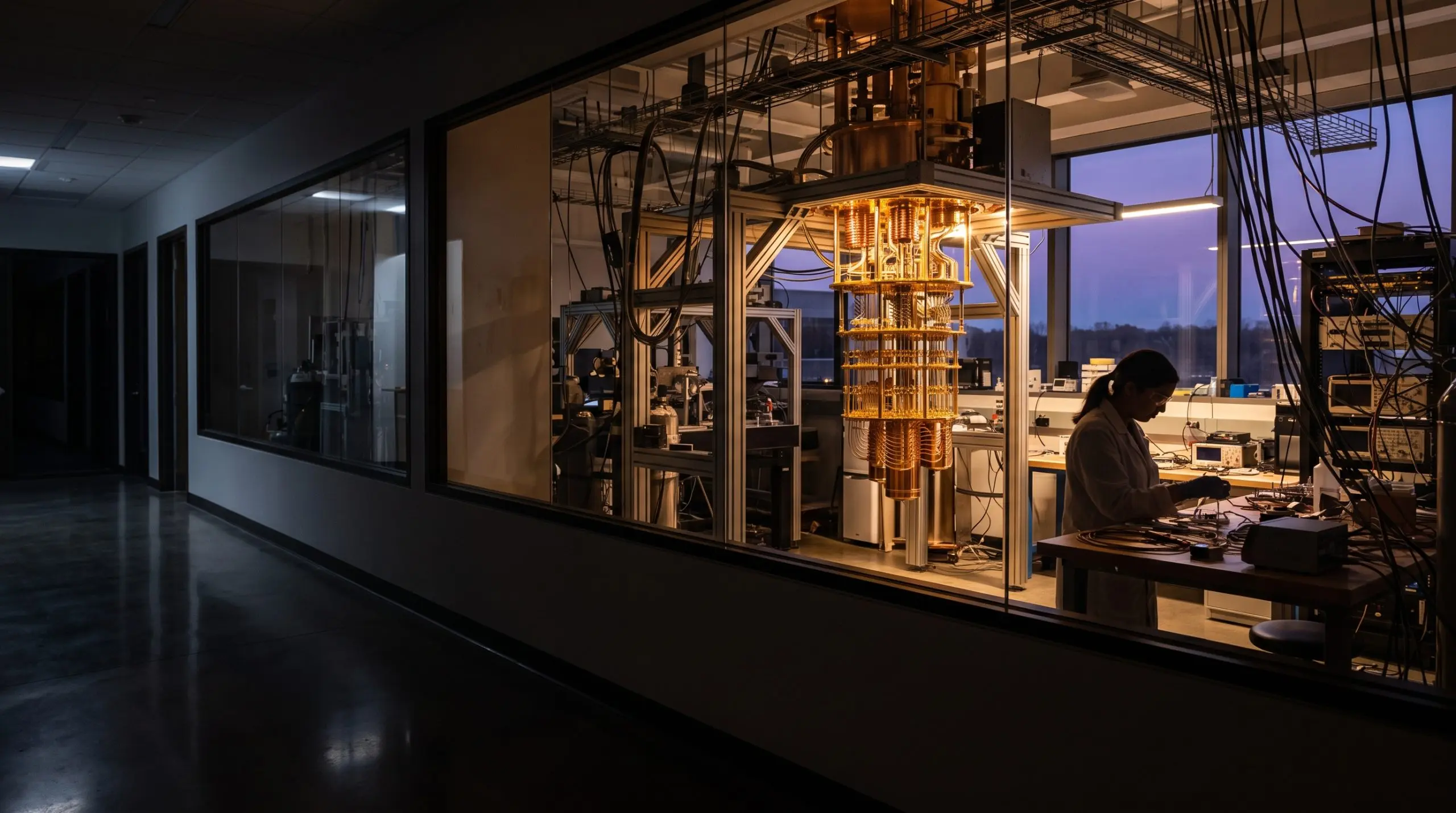
The Quantum Computing Initiative has commissioned quantum computers from IQM, prioritizing practical application over sheer qubit count, the company says. Reflecting a lineage stretching back to Konrad Zuse’s 1940s aerodynamic calculations, they specifically sought systems capable of handling real-world workloads, from user management to algorithm execution on a single platform. This procurement signals a shift toward judging what “runs in production today” rather than investing in speculative promises, and keeps both the systems and workloads within Germany.
DLR QCI Contract: Applying Quantum to Aerodynamic Calculations
The recent procurement of quantum computing systems prioritized practical usability over sheer qubit count, a departure from earlier industry trends. Requirements specifically focused on features enabling algorithm workflow from initial design through execution on a single platform, and benchmarking against existing computational resources. This emphasis signals a shift toward integrating quantum computers into established research pipelines rather than pursuing theoretical performance metrics in isolation.
This approach echoes the origins of computing at the organization itself; in the early 1940s, Konrad Zuse built the first programmable digital computers to address repetitive calculations in aerodynamic analysis, specifically wing-flutter simulations. Eighty years later, the organization is acquiring quantum systems with a similar intent, to solve concrete engineering problems, not simply demonstrate technological possibility. As Dr. Jan Goetz, CEO and Co-founder of IQM Quantum Computers, explains, “Machines acquired to do work, not to make a point” encapsulates the current focus.
The decision to incorporate superconducting systems into its existing portfolio is particularly noteworthy given the breadth of quantum technologies the center has previously evaluated. Having commissioned systems across nearly every technology, the addition of superconducting hardware represents a considered judgment about its current maturity and readiness for production use, according to IQM. This procurement isn’t a speculative investment in a future technology, but a validation of a system capable of delivering results.
Beyond technical capabilities, the contract also addresses data sovereignty concerns. The systems purchased will be built by IQM and operated within a dedicated data center in Germany, ensuring that research workloads remain within the country’s borders. For a federally funded national initiative, this is a formal requirement and reflects a growing European emphasis on building independent quantum capabilities.
Goetz notes that owning the full stack, the machine, the software and the infrastructure, becomes increasingly important for maintaining control and encouraging innovation. The partnership with Bechtle, beginning in 2024, further highlights this focus on usability. Bechtle’s Competence Centre for Quantum Technologies will handle the onboarding and administrative tasks necessary to make the platform accessible to a large research institution, moving beyond simple access to genuine usability.
The procurement reflects a return to the original impetus behind computing infrastructure: to empower researchers to focus on solving problems, rather than wrestling with the machinery itself. Dr. Goetz concludes by drawing a direct line between Zuse’s early work and the current era of quantum computing.




See today’s quantum computing news on Quantum Zeitgeist for the latest breakthroughs in qubits, hardware, algorithms, and industry deals.