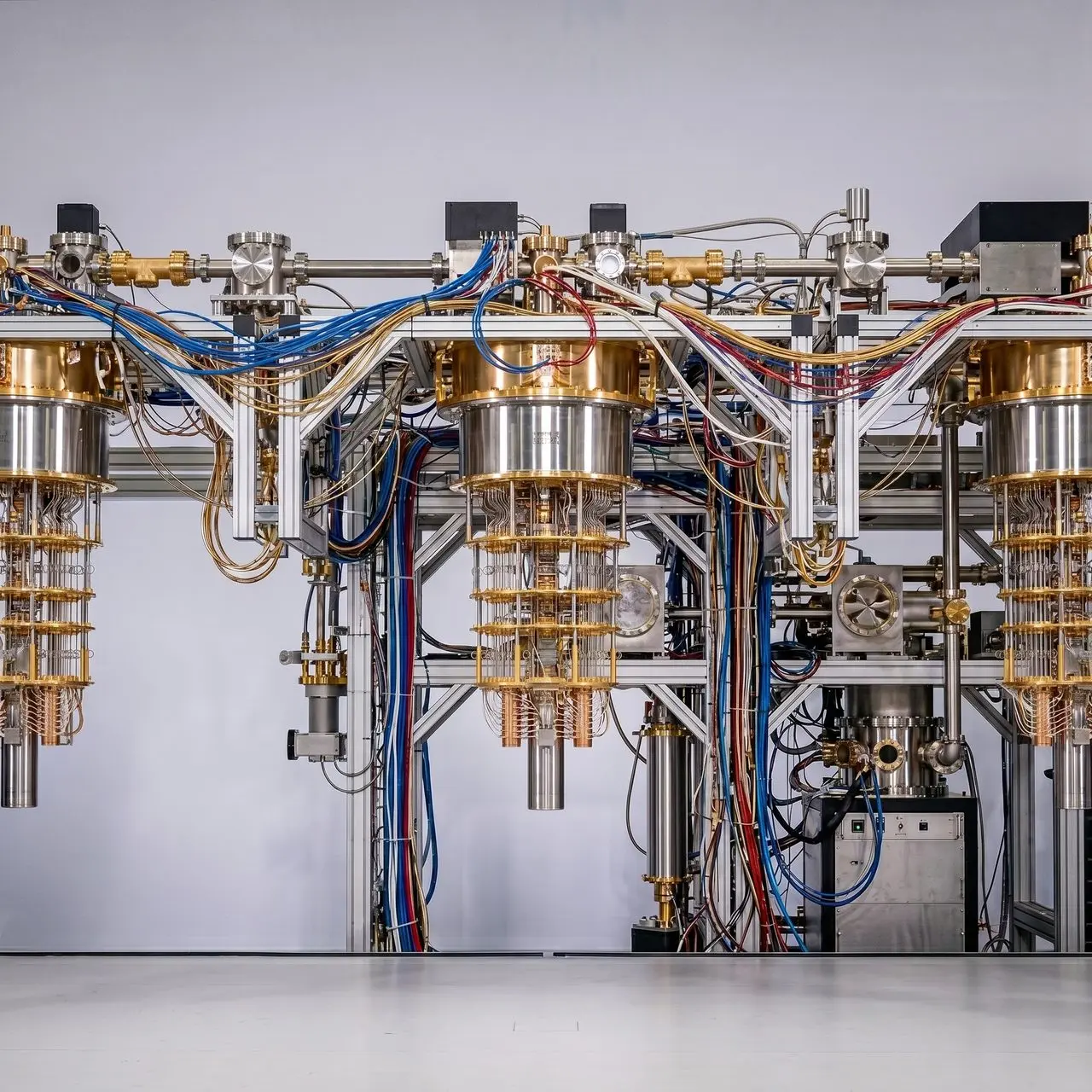
MetTel Labs is building a security network to address a potential threat: the ability of quantum computing to undermine widely used public-key cryptographic systems. The company announced an initiative to collaborate with technology and security partners, helping enterprises prepare for a post-quantum future as a federal deadline approaches.
By Executive Order 14412, agencies must implement post-quantum encryption on critical systems by December 31, 2030, and the U.S. National Institute of Standards and Technology has already finalized three post-quantum cryptography standards. “We believe no single company will solve the post-quantum security challenge alone,” said Ed Fox, Chief Technology Officer, MetTel and head of MetTel Labs.
MetTel Labs Initiative for Post-Quantum Security Ecosystem Development
The deadline of December 31, 2030, highlights the urgency of transitioning to new cryptographic standards, moving beyond theoretical preparation toward concrete implementation within the next seven years. MetTel Labs’ initiative centers on building a collaborative network of technology and security partners to assist enterprises in navigating this complex shift, recognizing that a unified approach is essential for effective preparation. The company’s strategy emphasizes identifying vulnerabilities, developing practical migration plans and ensuring infrastructure readiness for a future increasingly shaped by quantum computing capabilities.
A key consideration driving this proactive approach is the potential for “Harvest Now, Decrypt Later” attacks, where sensitive data captured could be stored and decrypted once sufficiently powerful quantum computers become available. This threat highlights the importance of data longevity and sensitivity in prioritizing systems for post-quantum migration, particularly for organizations handling customer information, intellectual property, or government data.
MetTel Labs intends to translate these emerging standards into executable roadmaps, aligning security modernization with broader digital transformation goals. The company’s approach acknowledges that post-quantum readiness extends beyond cryptography, representing a significant enterprise infrastructure challenge. With expertise in managing complex networks, cloud connectivity, cybersecurity and government-grade communications, MetTel Labs aims to identify existing quantum-vulnerable technologies within organizations and prioritize remediation based on risk. This perspective frames the current phase, Generation 1, spanning 2023 to 2030, as a critical period for establishing the necessary knowledge, partnerships and infrastructure.
MetTel Labs anticipates a progression through three generations of quantum adoption, with Generation 2, from 2030 to 2038, marking the emergence of commercially viable solutions in sectors like pharmaceuticals, logistics and energy. Generation 3, from 2035 to 2045, is projected to see quantum computing deeply integrated into business processes, with mature ecosystems and widespread adoption.
Organizations that proactively build capabilities and partnerships now are expected to gain a significant competitive advantage. The company’s managed services model and operational visibility across customer infrastructure are intended to facilitate this transition, offering a distinctive ability to translate standards into actionable plans. The initiative reflects a broader shift in how enterprises should approach quantum computing, recognizing it as both a potential source of competitive advantage and a disruption to existing security infrastructure.
“The organizations that will be best positioned for the quantum era will be those that build the flexibility, expertise and partnerships to respond when it arrives. Our objective is to help enterprises start that work now,” Fox stated. This proactive stance is driven by the understanding that while commercially viable quantum solutions may still be years away, the foundational work required to secure data against future quantum threats must begin immediately, ensuring long-term data integrity and organizational resilience.
Quantum computing is following a trajectory we’ve seen before with transformative technologies like AI and cloud computing: the technology may seem years away from widespread adoption, but the infrastructure, security and organizational decisions required to prepare for it have to happen well in advance.
Ed Fox, Chief Technology Officer, MetTel and head of MetTel Labs


See today’s quantum computing news on Quantum Zeitgeist for the latest breakthroughs in qubits, hardware, algorithms, and industry deals.