Silicon Quantum Computing and Schneider Electric will expand their collaboration after achieving a 20 percent average improvement in energy grid consumption forecasting. The companies received A$3.6 million (US$2.5 million) in funding to continue Stage 2 of the Australian Government’s Critical Technologies Challenge Program, building on initial success with SQC’s “Watermelon” system.
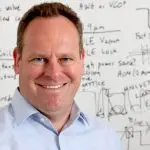
Watermelon generates quantum features that, when combined with traditional data, demonstrably increase predictive abilities for complex household energy systems. “We have always believed that quantum processors would work alongside CPUs and GPUs to deliver real-world performance gains,” said Michelle Simmons, Founder and CEO of Silicon Quantum Computing.
Watermelon System Achieves 20% Gains in Grid Consumption Forecasting
Stage 2 funding of A$3.6 million (US$2.5 million) will allow Silicon Quantum Computing (SQC) and Schneider Electric to expand modelling of their energy forecasting system to hundreds of Australian homes. The collaborative effort focuses on improving the accuracy of Schneider Electric’s forecasting models using SQC’s “Watermelon” system, an atomically engineered, quantum-enhanced AI chip. The partnership’s initial work yielded an average 20 percent improvement in forecasting accuracy when Watermelon’s quantum features were combined with classical data, exceeding expectations for even modest gains.
Gains reached as high as 41 percent during a 12-month period of testing with next-day forecasting data. This level of accuracy is increasingly vital as energy grids face growing pressure from the proliferation of distributed energy resources like rooftop solar, electric vehicles and home battery systems. Schneider Electric uses advanced forecasting to optimize these resources, and the Watermelon system demonstrably enhances that capability.
The increased complexity of modern household energy systems demands more sophisticated forecasting methods, the company says. Colette Munro, Pacific Zone President at Schneider Electric, explained that the energy system is becoming more dynamic with variables like rooftop solar, EVs and home batteries creating new levels of complexity.

See today’s quantum computing news on Quantum Zeitgeist for the latest breakthroughs in qubits, hardware, algorithms, and industry deals.