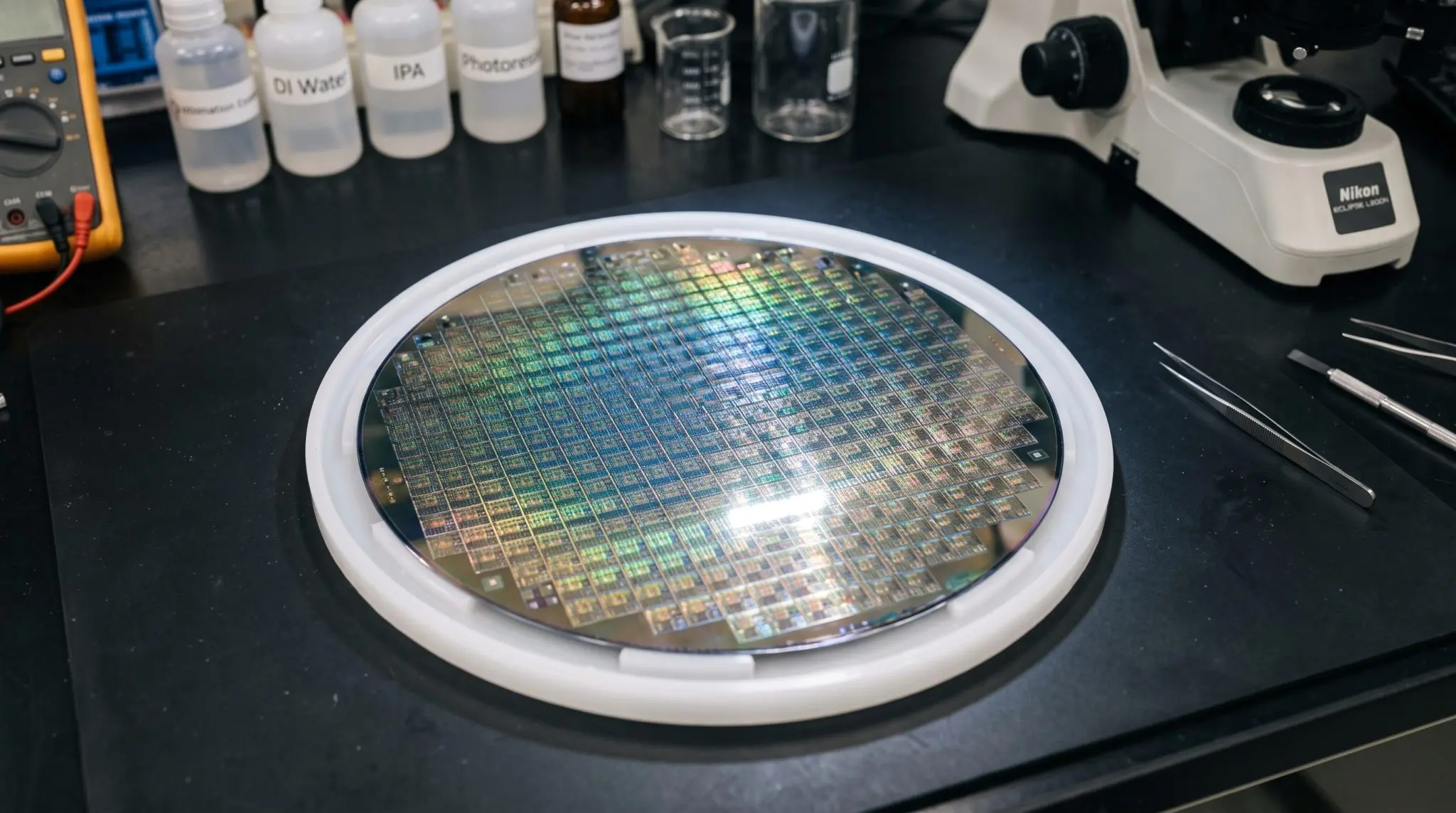
Diraq will establish a new research and development laboratory in Albuquerque, New Mexico, equipped with Maybell cryogenic equipment for advanced device characterization. The expansion, supported by matching funds from the state as part of the DARPA Quantum Benchmarking Initiative’s Stage B, aims to accelerate the company’s progress toward building utility-scale quantum computers.
“Roadrunner Quantum Lab is focused on bringing quantum computing to market,” said Diraq Founder and CEO Andrew Dzurak, “and their commitment to commercialization closely mirrors our own.” Diraq is focused on silicon-based processors, targeting millions of qubits on a single chip to meet customer demand.
Roadrunner Quantum Lab Supports Diraq’s Device Characterization
The lab, expected to be operational by year’s end, represents a significant expansion of Diraq’s U.S. footprint, complementing existing operations in Palo Alto, Chicago and Los Angeles. Diraq’s participation in Stage B of the QBI program highlights the company’s progress in developing practical quantum processors. The New Mexico investment will build equipment and infrastructure vital to the lab’s operations. This ambition is fueled by Diraq’s unique approach of fabricating spin qubits directly on standard CMOS foundry lines, a method that uses existing semiconductor manufacturing infrastructure. A dedicated measurement engineering team will be established in Albuquerque, adding specialized U.S.-based capability in quantum device testing and characterization. Further growth is planned as operations scale research and development capabilities.
We’re building quantum computing processors based on silicon because that’s the most economical and scalable way to reach the many millions of qubits that our customers will require.
Diraq’s space within Roadrunner Quantum Lab will include Maybell cryogenic equipment that supports device characterization and other research and development activities. The State of New Mexico is supporting Diraq’s expansion into the state as part of its partnership with the Quantum Benchmarking Initiative (QBI), a federal initiative to verify and validate utility-scale quantum computing. “Diraq’s decision to build here is more proof that New Mexico has the talent, the labs and the infrastructure quantum companies need to go from research to real-world scale,” said TIO Director Nora Meyers Sackett, highlighting the state’s existing strengths in the field.
Founded in 2022 as a spin-out from UNSW Sydney, Diraq has quickly become a significant player in the space, raising over US$140 million to date. “We’re building quantum computing processors based on silicon because that’s the most economical and scalable way to reach the many millions of qubits that our customers will require.”
Diraq’s decision to build here is more proof that New Mexico has the talent, the labs and the infrastructure quantum companies need to go from research to real-world scale.
Nora Meyers Sackett, TIO Director
DARPA QBI Partnership Funds New Mexico’s Quantum Ecosystem
This phase focuses on validating utility-scale quantum computing, and the new laboratory will house specialized equipment for advancing Diraq’s silicon-spin qubit platform. The company intends to scale the Albuquerque team as operations expand, signifying a long-term commitment to the region and its growing quantum ecosystem. New Mexico’s investment in the Roadrunner Quantum Lab demonstrates a commitment to encouraging a quantum ecosystem, attracting companies focused on scaling quantum technologies. Diraq’s approach of building quantum computing processors on silicon, aiming for millions of qubits, is predicated on achieving economical scalability, a goal that aligns with the state’s vision for a robust quantum industry.
We’re excited to welcome Diraq to the Roadrunner Quantum Lab as the company expands its U.S. research and development capabilities.
David Kistin, Director of the Roadrunner Quantum Lab

See today’s quantum computing news on Quantum Zeitgeist for the latest breakthroughs in qubits, hardware, algorithms, and industry deals.