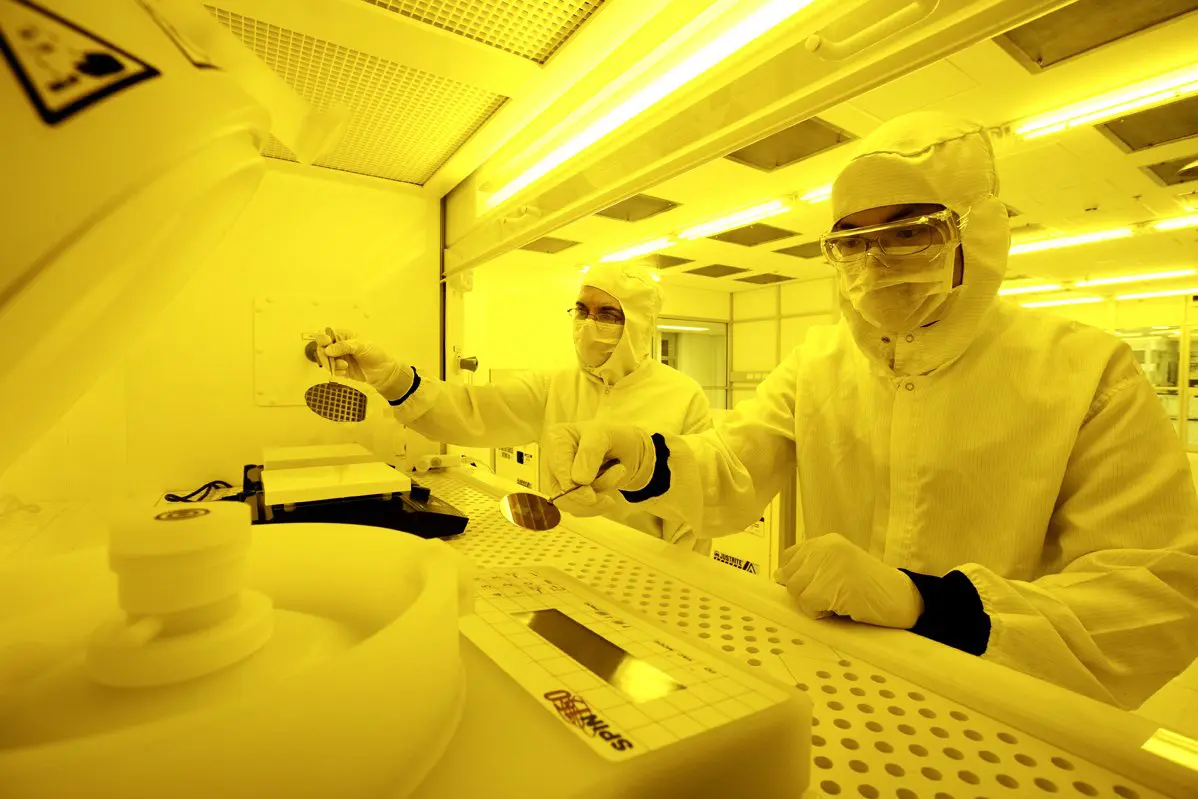
Diraq is doubling its team in Palo Alto, California, by year’s end as the quantum computing company expands its U.S. presence to accelerate the development of commercially viable silicon-based systems. The new office will focus on product development and forging partnerships within the semiconductor ecosystem, addressing a critical hurdle in scaling quantum computers beyond laboratory settings. “Silicon Valley is where the model for scalable computing was established,” said Diraq CEO and Founder Andrew Dzurak. “We’re applying that same model to quantum computing by building processors that are CMOS-native and designed for integration into existing compute infrastructure.” Diraq aims to achieve a target that distinguishes its approach from current quantum computers and signals a long-term vision for practical, large-scale quantum processing.
CMOS-Native Silicon Processors Enable Scalable Quantum Computing
Diraq’s strategy centers on a fundamental shift in quantum processor design. The company aims to fabricate quantum chips using the same complementary metal-oxide-semiconductor (CMOS) processes that underpin nearly all modern electronics. This approach directly addresses a critical bottleneck in quantum computing’s development: the difficulty of scaling qubit numbers while maintaining stability and control. Unlike many quantum computing ventures reliant on exotic materials or complex fabrication techniques, Diraq is focused on leveraging existing semiconductor infrastructure, a move intended to dramatically lower manufacturing costs and accelerate production timelines. The ambition is not merely to create more qubits, but to achieve a density far exceeding current quantum computers, a key step toward practical applications.
Diraq’s processors are engineered for energy efficiency, a crucial factor for large-scale deployment within standard data center environments. Andre Saraiva, Head of Product Development, who will lead the Palo Alto office, emphasized the importance of proximity to key players in the semiconductor industry. “Establishing a Diraq office in Palo Alto puts us closer to the customers, partners, and talent shaping the future of computing,” he said. This strategic positioning facilitates collaboration with established technology providers like Nvidia, Dell, Global Foundries, and imec, all essential for translating Diraq’s technology roadmap into commercially viable products. The company’s progress is further bolstered by a Letter of Intent with the U.S. Department of Commerce for up to $38 million in proposed federal funding from the CHIPS Research and Development Office, signaling confidence in their silicon-based approach to quantum scaling.
Establishing a Diraq office in Palo Alto puts us closer to the customers, partners, and talent shaping the future of computing.
Diraq’s U.S. Expansion Supports Partnerships and Funding Growth
Diraq’s strategic expansion into Palo Alto, California, isn’t simply about geographic proximity; it represents a deliberate effort to embed quantum processing within the established infrastructure of semiconductor manufacturing, a sector historically centered in Silicon Valley. The company anticipates doubling its Palo Alto team by year’s end, signaling a substantial investment in scaling operations and capitalizing on the region’s concentration of expertise. The decision to base operations in Palo Alto directly addresses the challenge of scaling quantum systems beyond the limitations of laboratory settings, a problem that has long constrained the field. This focus on compatibility is not merely a technical detail, but a core element of Diraq’s strategy to achieve a density that dwarfs the qubit counts of many current quantum computers.
Beyond Palo Alto, Diraq is also planning expansion into the Los Angeles area and establishing a distributed presence across the country, including operations in Chicago, to further support partnerships and future deployments. Founded in Sydney, Australia in 2005, Diraq’s success in reaching Stage B of DARPA’s Quantum Benchmarking Initiative, a feat achieved by only 11 companies globally, underscores the maturity and potential of its silicon-based approach to quantum computing.
Designed to scale to millions of quantum bits (qubits) on a single chip Engineered for integration into existing data center infrastructure Focused on cost effectiveness, energy efficiency, and commercial deployment U.
Diraq


See today’s quantum computing news on Quantum Zeitgeist for the latest breakthroughs in qubits, hardware, algorithms, and industry deals.