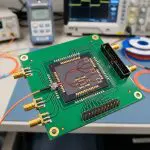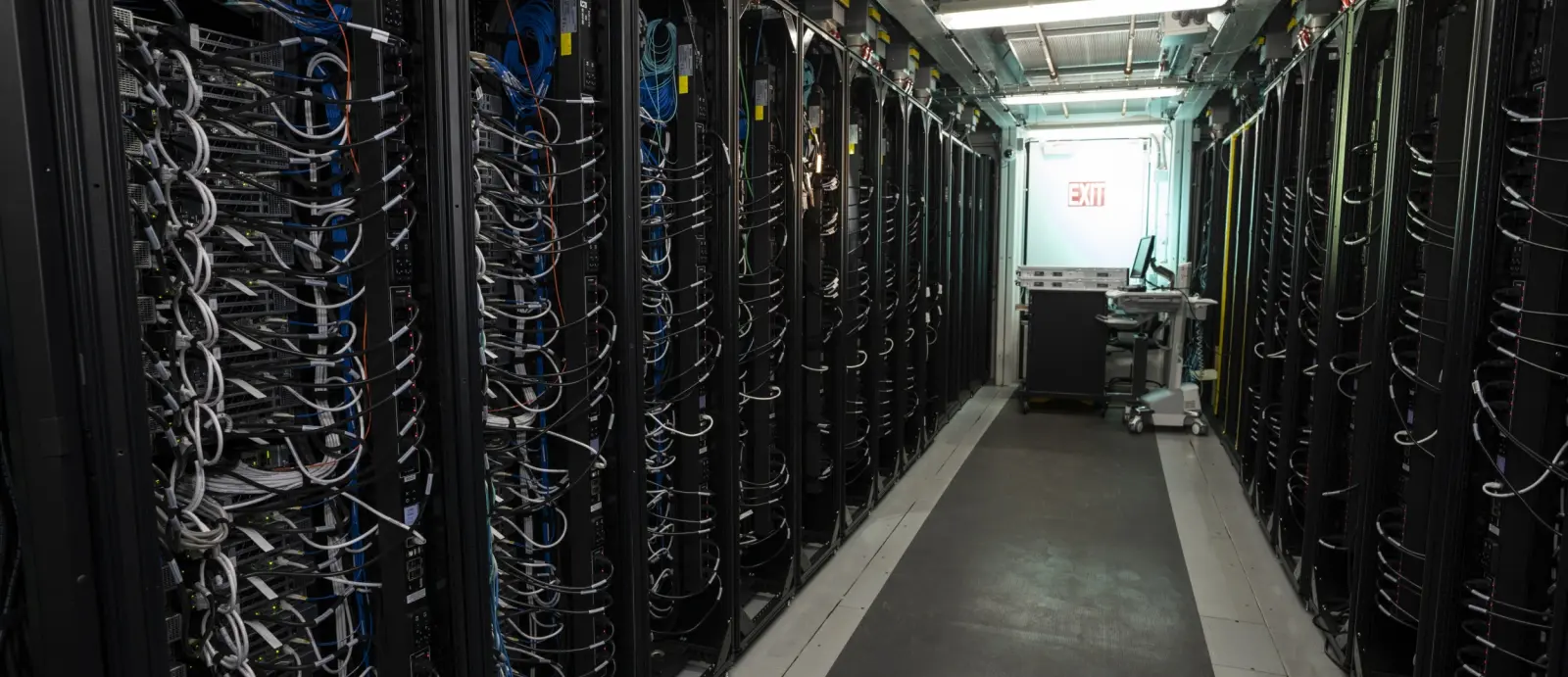
In 2018, a surge in new AI accelerator development prompted a team at the Lincoln Laboratory Supercomputing Center (LLSC) to initiate the Lincoln AI Computing Survey (LAICS). This multiyear study has now produced six papers documenting the rapidly evolving field of AI hardware, comparing the peak performance and power consumption of more than 120 accelerators. Beyond typical machine learning tasks, these accelerators are also proving valuable for computationally expensive applications like molecular modeling and fluid dynamics simulations.
Lincoln AI Computing Survey Tracks Accelerator Evolution
Albert Reuther, a staff member at the LLSC, explains the initial impetus, stating, “About eight years ago, we saw a sharp rise in the number of research AI accelerators described in research papers and commercial accelerators being announced, and we started to get questions about them from government sponsors’ work.” That was motivation enough to start the survey. The LLSC operates and optimizes high-performance computing systems supporting thousands of research staff, making informed hardware selection critical.
Currently comprised of six published papers, the LAICS project meticulously documents and compares AI accelerator performance and power consumption, demonstrating a sustained commitment to understanding this evolving technology. The team, led by Reuther and including LLSC members Michael Jones, Peter Michaleas, Jeremy Kepner, and Vijay Gadepally, analyzes accelerators ranging from central processing units to specialized dataflow designs; each type possesses unique capabilities suited to different computational demands.
The survey’s methodology centers on publicly available data, a challenge given some companies’ reluctance to disclose detailed performance metrics, yet the team perseveres in building a comprehensive comparative dataset. The latest LAICS paper, published in 2025, examined over 120 accelerators, a significant increase from the 57 analyzed in the first paper, reflecting the accelerating pace of innovation in the field.
The team prioritizes peak performance and power consumption as key comparison metrics, categorizing accelerators by their physical form, chip, card, or complete system, to provide a nuanced overview. Reuther notes the persistent influx of new entrants into the AI accelerator market, adding, “One might think that the landscape is saturated enough, but then another batch of innovative accelerators are introduced.” This constant stream of innovation underscores the dynamic nature of the field and the ongoing need for comprehensive surveys like LAICS.
The team’s 2022 paper investigated the sources of performance gains, identifying smaller transistor designs and reduced numerical precision as key contributing factors. The most recent research analyzed how components like core count and parallel processing capabilities impact overall system performance. LLSC utilizes the survey’s findings to inform its own hardware acquisition decisions, ensuring the laboratory’s computing resources remain technologically advanced.
Reuther emphasizes the broader impact of the survey, stating, “AI and the hardware it runs on are such important topics, and it is important for the Laboratory to be an unbiased technical advisor for choosing and pursuing the right technologies.” He further clarifies, “Our AI accelerator surveys have helped many sponsors and government colleagues gain a better understanding of the AI accelerator landscape and make better research and acquisition decisions.” The LAICS project intends to continue indefinitely, with Reuther reporting that six new startups have already announced their first AI accelerators in recent months, demonstrating the sustained momentum of this critical area of research and development. The full dataset and papers are publicly available, providing a valuable resource for researchers, government agencies, and industry professionals seeking to understand AI hardware.
About eight years ago, we saw a sharp rise in the number of research AI accelerators described in research papers and commercial accelerators being announced, and we started to get questions about them from government sponsors of the Laboratory’s work.
Albert Reuther, a staff member at the LLSC, which operates and optimizes the high-performance computing sy

See today’s quantum computing news on Quantum Zeitgeist for the latest breakthroughs in qubits, hardware, algorithms, and industry deals.