Chungbuk National University is establishing a regional quantum ecosystem centered around an on-premises IQM Spark system. Going beyond traditional coursework, the Chungbuk Quantum Research Center, directed by Kiwoong Kim, aims to expand quantum technology into industry across the entire Chungbuk region. This focus on localized access and workforce development sets Chungbuk apart, offering a hands-on environment to tackle challenges like quantum qubit error correction, a practical understanding not easily gained through cloud access alone.
On-Premises IQM Spark System Anchors Quantum Ecosystem
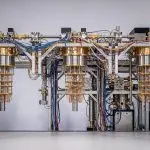
An on-premises IQM Spark system is central to Chungbuk National University’s strategy to address a hardware gap in South Korea’s quantum computing development, a deliberate move to establish a regional ecosystem extending beyond academic coursework.
Kiwoong Kim at Chungbuk National University and director of the Chungbuk Quantum Research Center, explains that “Korea is somewhat behind when it comes to quantum computing hardware compared to advanced countries, but by bringing in an already-built quantum computer, we can quickly use it as a foundation for building our own capabilities.” This proactive acquisition bypasses reliance on often-overburdened cloud access, a limitation the center aims to resolve for both research and industrial partners.
The decision to house a physical quantum computer directly addresses a critical bottleneck in algorithm development and system evaluation; researchers previously faced delays accessing cloud-based resources. “When it comes to developing quantum algorithms or building methods to evaluate quantum systems, if you rely on existing cloud computers, the code we want to run often gets stuck in the queue and in many cases simply doesn’t run,” Kim notes, emphasizing the need for intensive, independent operation.
Beyond accelerating research, the on-site system provides a unique hands-on learning environment, allowing students to directly engage with the complexities of quantum hardware. Kim believes that “a quantum computer that students can actually see and touch plays a huge role in boosting student motivation,” a benefit a virtual connection cannot replicate. This localized approach extends to fostering a quantum industry within the Chungbuk region, actively seeking to connect local companies with the technology.
The center envisions the IQM Spark system serving as a crucial testbed, enabling businesses to validate their own electronic components against a functioning quantum computer. “Say a company has developed some piece of electronics.
By connecting the electronics to the chip of the quantum computer we currently have running, they can test whether what they’ve developed works properly,” Kim explains, highlighting the system’s role in facilitating collaboration and driving innovation. Crucially, direct access to the hardware allows for a deeper understanding of error correction, a major challenge in quantum computing; Kim says, “That’s something both students and industry can apply, which is a real advantage.”
Rather than a cloud service you connect to over the internet, a virtual computer, a quantum computer that students can actually see and touch plays a huge role in boosting student motivation.
Kiwoong Kim, Department of Physics at Chungbuk National University and directs the Chungbuk Quantum Research Center
Chungbuk Center Tests Industry Electronics & Algorithms
Kim emphasizes the motivational impact of direct engagement, stating, “There’s a big difference between what students actually see in person and what they only see on a computer screen, and that difference matters a great deal.” This hands-on access also allows for a deeper investigation into the challenges of quantum error correction, a significant hurdle in the field. “You come to understand directly how the errors in quantum qubits, which are the biggest issue right now, how they arise, and how to fix them,” Kim says.
This dedicated access has already fostered collaboration and attracted interest from researchers eager to contribute to the burgeoning quantum ecosystem. “It played an important role in providing motivation and networking opportunities, bringing in many collaborators, as well as people who wanted to bring quantum transformation to their own work,” he notes. Kim believes establishing this infrastructure now is crucial; “I think the risk of entering the quantum industry is actually quite low right now, and I felt that if we don’t start now, we may actually end up being too late.”
Korea is already somewhat behind when it comes to quantum computing hardware compared to advanced countries, but by bringing in an already-built quantum computer, we can quickly use it as a foundation for building our own capabilities.



See today’s quantum computing news on Quantum Zeitgeist for the latest breakthroughs in qubits, hardware, algorithms, and industry deals.