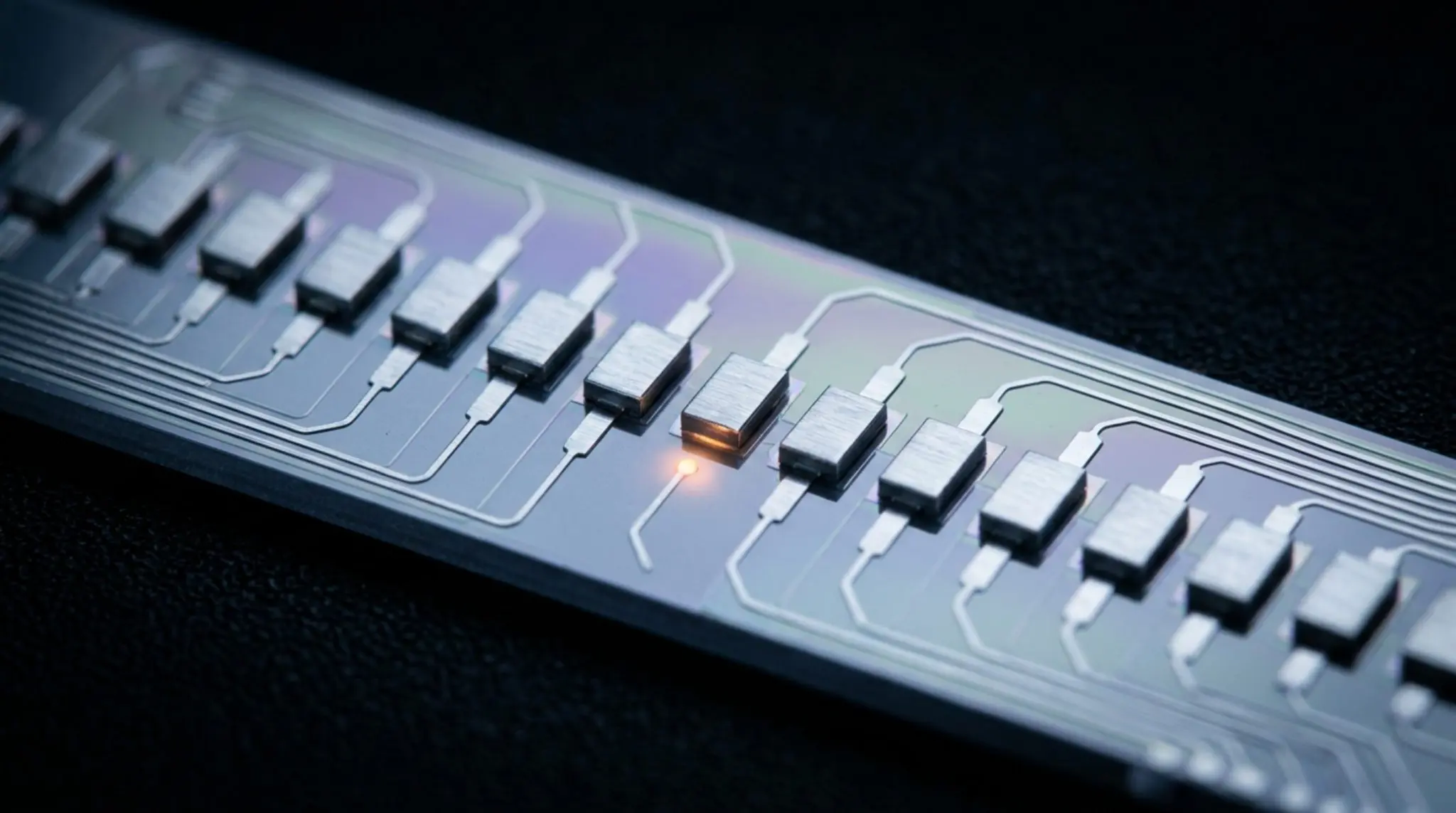
Rigetti Computing is restructuring to meet rising demand for its quantum systems, now ranging from 9 to 108 qubits. The company has established a dedicated Systems Delivery organization and appointed David Rivas as Chief Operating Officer, a change from his previous role as Chief Technology Officer since February 2023.
This change prioritizes scaling deployment of existing technology alongside continued processor development, with a stated target of 99.5% median two-qubit gate fidelity on the Cepheus-1-108Q system. Rigetti’s growing deployment activity makes this the right time to establish an organization focused on delivering and supporting systems for customers, according to company representatives.
Dedicated Systems Delivery Organization Scales Deployments of 9- to 108-Qubit Systems
Rigetti Computing is responding to increasing customer demand by establishing a dedicated Systems Delivery organization, signaling a shift from research to practical application of quantum technology. The company is now fulfilling orders for on-premises systems ranging from compact 9-qubit configurations to larger 108-qubit Cepheus-class machines, indicating a broadening market beyond initial experimentation.
This restructuring consolidates quantum processor architecture and chip development under newly appointed Chief Technology Officer Andrew Bestwick, Ph.D., previously Senior Vice President of Quantum Systems. Rigetti publicly targets 99.5% median two-qubit gate fidelity for its Cepheus-1-108Q system, a benchmark the new organization will support through enhanced operational execution and engineering resources.
Rigetti’s growing deployment activity makes this the right time to establish a dedicated organization focused on delivering and supporting systems for customers.
Dr. Rigetti, President and Chief Executive Officer



See today’s quantum computing news on Quantum Zeitgeist for the latest breakthroughs in qubits, hardware, algorithms, and industry deals.