The cars of Carlo Giunchi and Spina Cianetti, geophysicists at the National Institute of Geophysics and Volcanology, were deliberately set ablaze in Lula, Sardinia on August 1st, directly targeting key personnel involved in the bid to host the €2 billion Einstein Telescope. The arson attack, occurring three years after a bomb threat at the proposed observatory site, raises serious safety concerns as Italy competes with sites in Belgium, Germany, and the Netherlands to build Europe’s gravitational-wave detector.
“We were all taken aback when we heard the news,” says Marco Pallavicini, a physicist at the University of Genoa and researcher at the National Institute of Nuclear Physics, who is coordinating Italy’s bid. The Einstein Telescope aims to observe gravitational wave events approximately 10 times farther away than current instruments like Virgo and LIGO.
Arson and Prior Intimidation Threaten Einstein Telescope Bid
This act of arson follows a bomb threat made three years prior at the proposed observatory site, escalating concerns about the safety of those working on the project and suggesting a pattern of intimidation. A legally protected quiet zone, essential for the telescope’s operation, is at the heart of local opposition, with concerns centering on potential constraints to industrial development across central Sardinia. Opponents argue the restrictions on activities like road construction, railway projects, and certain industrial operations will stifle economic growth in the region.
Despite these objections, supporters maintain the economic benefits generated by the €2 billion Einstein Telescope, estimated at roughly €6 billion in economic value and 36,000 jobs, would significantly outweigh any limitations. INFN has already invested €17 million in a preliminary environmental impact assessment, demonstrating a commitment to addressing these concerns and exploring sustainable solutions.
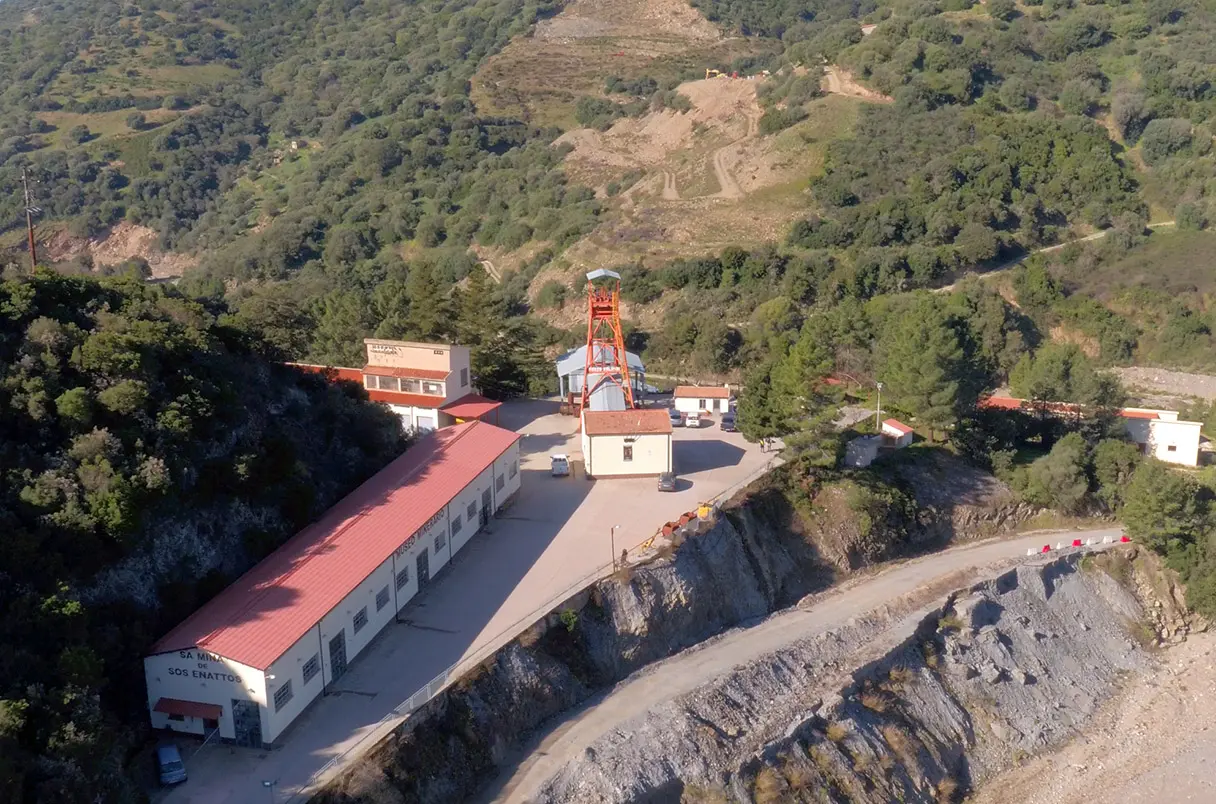
This increased sensitivity would allow scientists to observe a wider range of cosmic phenomena, furthering understanding of black holes, neutron stars, and the very fabric of spacetime. The proposed site in Lula benefits from existing infrastructure, kilometers of underground tunnels from a former mine, and a seismically quiet location, ideal for shielding the sensitive detectors from environmental noise.
Pallavicini emphasizes a willingness to address skepticism, stating, “We are willing to listen to those who are skeptical, but we will not let a few people derail the efforts of many.” The recent acts of intimidation, including the 2023 bomb threat and graffiti reading “No to Einstein Telescope” appearing in Lula’s historic center, have prompted increased security measures, with local authorities installing additional surveillance cameras and boosting police patrols in the village.
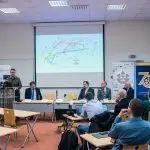
Despite the unsettling events, Pallavicini reports that scientists involved in the bid do not fear a broader backlash, and the local community has already begun fundraising to help Giunchi and Cianetti replace their vehicles. He added that just a few days earlier, they’d opened an information center in Lula, and everyone seemed happy to meet them, highlighting the complex dynamic between project proponents and local residents.
The proposed restrictions on activity within the quiet zone, mandated by a 2023 law affecting Lula and 20 surrounding municipalities, are intended to minimize interference with the observatory’s measurements. Pallavicini asserts these restrictions would not significantly impact the predominantly agricultural jobs in the area, which generate minimal noise, and that the excavation of roughly 6 million cubic meters of rock for the project could be repurposed for construction, creating additional economic opportunities. He notes the facility’s electricity consumption would be comparable to that of a medium-size hospital, and water consumption would be relatively low.
Source: https://www.science.org/content/article/arson-attack-jolts-italy-s-bid-host-einstein-telescope

See today’s quantum computing news on Quantum Zeitgeist for the latest breakthroughs in qubits, hardware, algorithms, and industry deals.