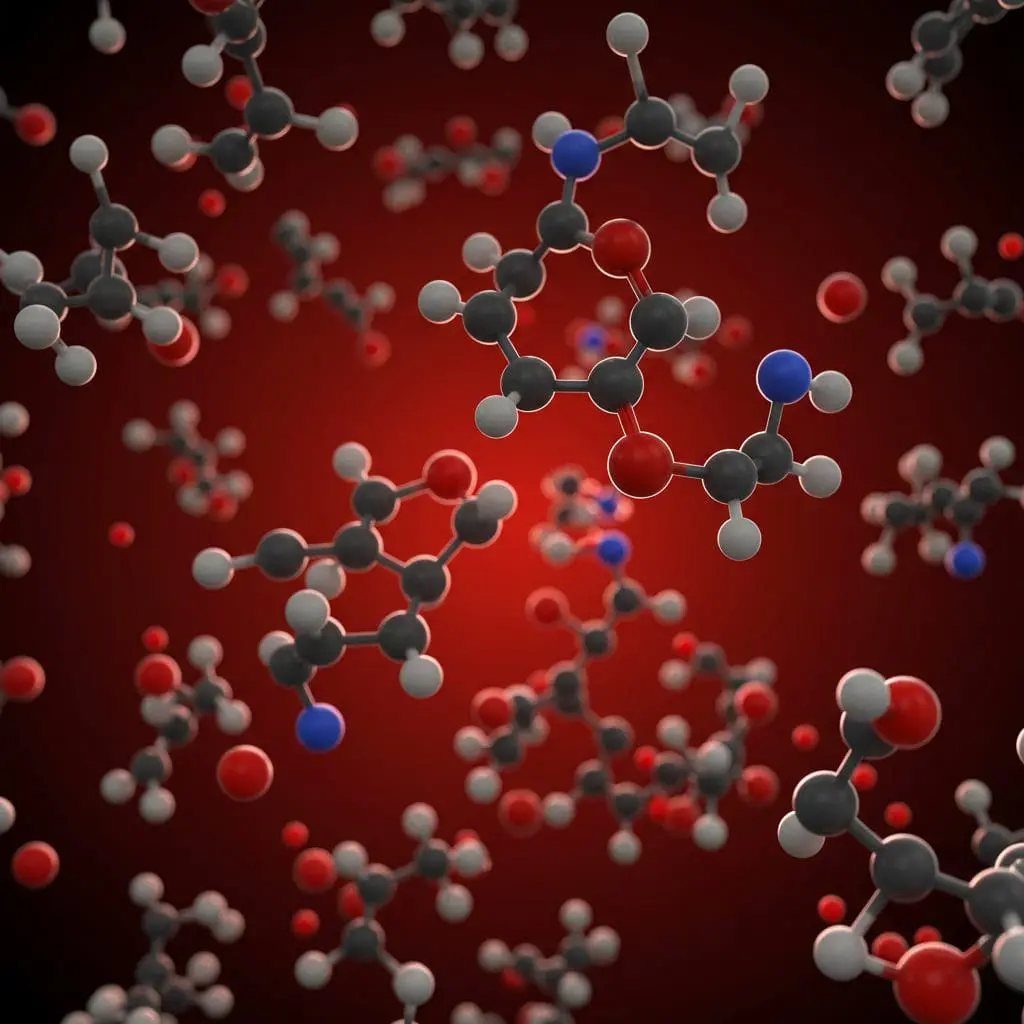
FeNNix-Bio1, an AI foundation model developed by Qubit Pharmaceuticals and Sorbonne University with support from Argonne National Labs, EuroHPC, and GENCI, represents a significant advancement in molecular simulations. By leveraging synthetic data derived from quantum chemistry principles, such as Schrödinger‘s equation, FeNNix-Bio1 achieves high accuracy while maintaining computational efficiency. Trained rapidly on a single GPU card, it surpasses traditional methods in tasks like modeling water properties and predicting chemical reactions. This model not only enhances the speed and precision of molecular simulations but also opens new possibilities for exploring innovative biomolecules and reducing reliance on physical experiments. Its compatibility with AlphaFold-like models further extends its utility in AI-driven design cycles, making FeNNix-Bio1 a pivotal tool in advancing drug discovery, materials science, and other fields by bridging quantum chemistry with practical applications through AI.
FeNNix-Bio1 integrates synthetic data generated from quantum chemistry simulations to enhance molecular modeling accuracy while reducing reliance on experimental datasets. This approach enables precise predictions of molecular interactions without extensive empirical validation, streamlining the drug discovery process. By building upon AlphaFold’s success in protein structure prediction and extending its capabilities to simulate drug-protein interactions, FeNNix-Bio1 provides a robust framework for understanding molecular dynamics.
FeNNix-Bio1 excels in simulating complex systems, such as modeling water behavior and predicting chemical reactions like butadiene rearrangement. These tasks pose significant challenges for conventional methods, underscoring FeNNix-Bio1’s ability to deliver reliable results across diverse molecular scenarios. Integrating quantum computing with high-performance computing (HPC) and machine learning positions FeNNix-Bio1 at the forefront of quantum AI development. This convergence accelerates molecular simulations while maintaining quantum-level accuracy, marking a critical step in advancing computational chemistry.
Traditional methods for molecular modeling rely heavily on experimental data and classical computational techniques. These approaches often struggle with the complexity of quantum systems, leading to inaccuracies in predicting molecular interactions. Additionally, the high cost and time-consuming nature of physical experiments limit the scalability of traditional methods.
FeNNix-Bio1 represents a paradigm shift in molecular simulation by combining speed, precision, and scalability. Its ability to leverage synthetic data from quantum algorithms reduces reliance on physical experiments, lowering costs and accelerating discovery timelines. Beyond drug design, FeNNix-Bio1’s applications span industrial enzymes, materials science, and battery development, offering a versatile tool for molecular innovation.
The future of quantum AI in molecular simulations is bright, with FeNNix-Bio1 paving the way for new possibilities. As quantum computing continues to evolve, its integration with machine learning and HPC will unlock unprecedented capabilities in understanding and predicting molecular behavior. This advancement underscores the potential of AI-enabled biology and quantum computing to revolutionize molecular discovery and design processes.
FeNNix-Bio1’s success highlights the importance of interdisciplinary collaboration in driving innovation. By combining expertise in quantum chemistry, machine learning, and computational science, researchers can develop tools that address complex challenges across multiple industries. As we look ahead, the continued development of quantum AI will play a pivotal role in shaping the future of molecular simulation and drug discovery.
More information
External Link: Click Here For More


See today’s quantum computing news on Quantum Zeitgeist for the latest breakthroughs in qubits, hardware, algorithms, and industry deals.