Bryan K. Clark, an associate professor of physics at the University of Illinois, has received the Discovery Partners Institute’s first grant for quantum research through the National Quantum Algorithm Center’s new Grand Challenges program. The funding will support Clark’s development of an open-source benchmarking approach for quantum algorithms designed to simulate complex molecular systems, a crucial step toward realizing practical applications of quantum computing. His project pairs academic research with direct industrial needs, collaborating with both BP and qBraid to tackle the challenges of simulating “strongly correlated electron systems.” Clark explains the project “will develop an open, reproducible set of benchmarks that can be executed automatically and compare a series of core algorithmic pieces for quantum chemistry on quantum computers,” ultimately determining when quantum computers can offer a practical advantage for molecular simulations.
DPI Funds Quantum Benchmarking via National Quantum Algorithm Center
DPI has provided its first funding support for quantum-related research, awarded to Bryan K. Clark at the University of Illinois. This partnership is notable for its focus on specific industrial applications; BP will provide molecules, including hydrocarbons and carbon dioxide, for simulation, while qBraid will contribute essential cloud-based quantum computing infrastructure. “We will enable researchers and industry in the space of molecular simulations to determine whether and when quantum computers can show practical advantage on the problems they care about,” Clark said, highlighting the potential for advancements in areas like biofuel optimization and carbon utilization. Klara Nahrstedt, DPI’s Director of Research and Development, emphasized the strategic importance of this investment, stating, “This is an exciting research project that will get us started towards new research explorations of the AI+Quantum research theme in DPI.”
Clark’s Project: Simulating Strongly Correlated Electron Systems
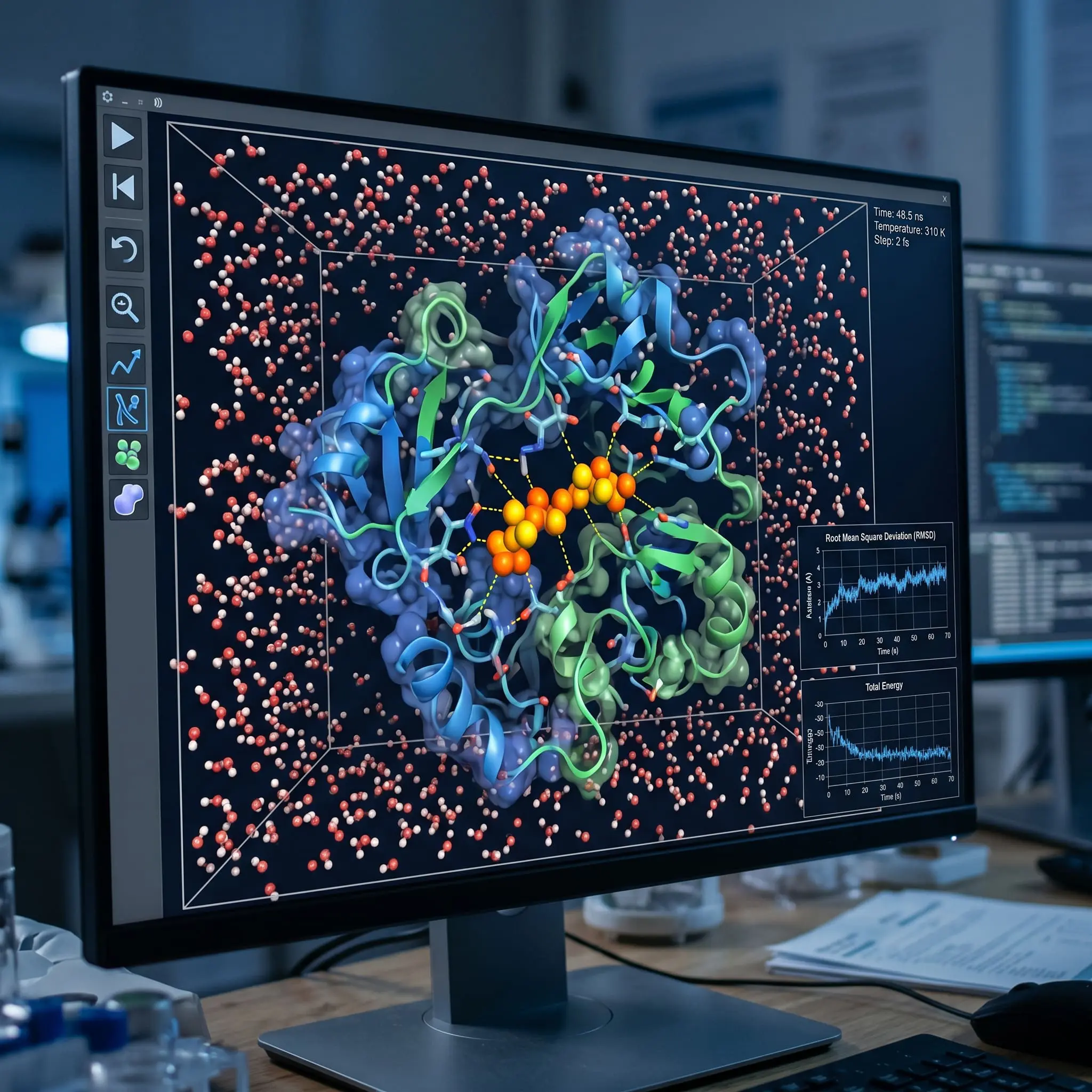
Bryan K. Clark’s research aims to create an open-source, reproducible framework for evaluating algorithms used in quantum chemistry simulations. He notes that many quantum computing algorithms for simulating molecules have been developed, but it is unclear which of these algorithms are actually practical for molecules of industrial importance. The project will collaborate with both BP and qBraid, leveraging their expertise to tackle simulations of industrially relevant molecules, including hydrocarbons and carbon dioxide, chosen for their relevance to the energy sector and manageable size for research purposes. qBraid will provide crucial quantum computing infrastructure building upon its cloud-based platform to test and compare new algorithms on both emulated and, eventually, actual quantum computers. The resulting simulations will form the foundation of an “executable database and knowledge graph” designed to assess the capabilities of quantum computers for molecular simulations.
We will enable researchers and industry in the space of molecular simulations to determine whether and when quantum computers can show practical advantage on the problems they care about, and which quantum algorithms they need to use to satisfy their accuracy and speed constraints.
qBraid Platform Enables Molecular Algorithm Comparison & Database Creation
Bryan K. The NQAC initiative selected Clark’s proposal among five inaugural grants, highlighting the competitive nature of this emerging research area. Central to Clark’s approach is the utilization of qBraid’s cloud-based quantum computing infrastructure, a Chicago-based startup providing access to quantum devices; the team will build a framework on top of qBraid’s platform to facilitate automated testing and comparison of algorithms. This framework will not simply be a report, but an “executable database and knowledge graph” documenting what is achievable with quantum computers, designed for future extensibility and incorporating new research.
This is an exciting research project that will get us started towards new research explorations of the AI+Quantum research theme in DPI. this project strengthens the collaboration between DPI and NQAC to advance future computing technologies.



See today’s quantum computing news on Quantum Zeitgeist for the latest breakthroughs in qubits, hardware, algorithms, and industry deals.