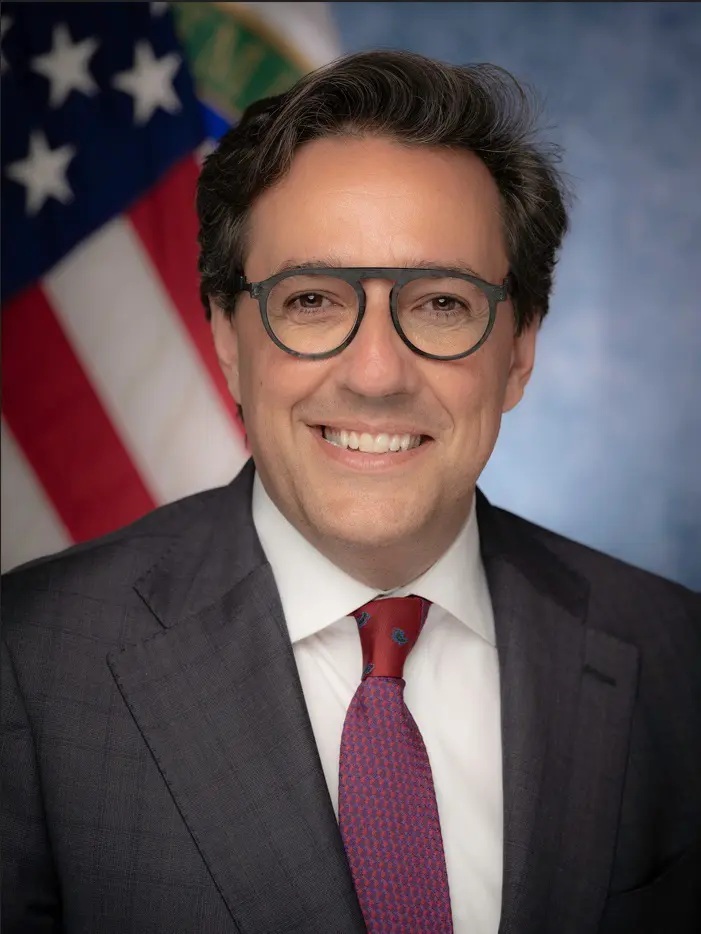
Darío Gil, Under Secretary for Science at the U.S. Department of Energy, has tasked the Office of Science Advisory Committee with charting a path toward an error-corrected quantum computer by 2028. Gil, formerly IBM Senior Vice President and Director of Research, where he led the team that first built programmable quantum computers available through the cloud, believes the field has reached “a historic inflection point.” The newly released SCAC report shifts focus from simply building larger machines to measuring success by aiming to solve currently intractable problems in areas like drug discovery and materials science. Gil asserts, “Our goal is not simply to build the largest quantum computer; it is to solve problems that are otherwise completely intractable.”
SCAC Roadmap Targets Error-Corrected Quantum Computing by 2028
The SCAC Quantum Committee’s report sets a clear target: a scientifically relevant, error-corrected quantum computer by 2028, a goal driven by multidisciplinary challenges pairing national laboratories, universities, and industry partners. This ambitious timeline is structured around a three-phase framework aligning with the national Quantum Genesis Initiative, prioritizing co-design of hardware, algorithms, and software to achieve specific scientific milestones. The first phase, dubbed the Quantum Grand Challenges, will run from 2026 to 2028, focusing on tackling complex problems that demand quantum solutions.

Supporting this push, the Department of Energy, under Darío Gil, oversees the nation’s largest federal sponsor of basic research in the physical sciences, encompassing all 17 National Laboratories. His election to the National Academy of Engineering “for his contributions to artificial intelligence and quantum computing” underscores his influence in the field.
“SCAC Quantum Committee Report: Path to an Integrated Quantum Future,” confirms what many in the scientific community have felt: we have reached a historic inflection point.
From Hardware Metrics to Scientifically Useful Quantum Workflows
The shift from measuring quantum computer size to evaluating their ability to solve complex problems is now central to U.S. strategy, according to recommendations from the Science Advisory Committee (SCAC). For years, progress has been largely defined by qubit counts and coherence times, but the SCAC report proposes a focus on demonstrable scientific utility as the primary metric for success. To accelerate the development of scientifically useful quantum computers, the SCAC outlines a three-phase framework beginning with the Quantum Grand Challenges initiative running through 2028.
This first phase will pair the nation’s 17 National Laboratories and industry partners in competitive challenges designed to co-develop hardware, algorithms, and software. These challenges will be structured around specific, milestone-driven scientific targets, pushing the boundaries of what’s currently possible.
This facility will function as an open, collaborative scientific instrument, allowing researchers to co-develop hardware architectures and software stacks alongside technology providers. He has served on the boards for Strategic and International Studies and the Semiconductor Industry Association demonstrating a broad understanding of the technological landscape. The SCAC anticipates an integrated quantum future where these systems are not isolated tools, but integral components of broader scientific workflows.
Phased Approach: Quantum Grand Challenges and User Facility Development
The Department of Energy intends to use its 17 National Laboratories in a series of competitive challenges designed to push the boundaries of quantum computing by 2028. The approach diverges from solely increasing qubit counts, instead prioritizing solutions to complex problems. According to the report, this collaborative environment is important for integrating quantum processors into existing classical-quantum workflows, accelerating discovery in fields like drug development and materials science. Gil is a globally recognized leader of the quantum industry.




See today’s quantum computing news on Quantum Zeitgeist for the latest breakthroughs in qubits, hardware, algorithms, and industry deals.