Over 100 representatives from French and German industry, policy, start-up, and investment sectors convened this evening for a reception hosted by the German Ambassador to France, His Excellency Mr Stephan Steinlein, indicating a coordinated effort for European technological and industrial sovereignty. The gathering highlights increasing collaboration in quantum technologies, as demonstrated by the newly launched AQeFLU research project on May 7th, a partnership between Quandela and Safran Tech focused on developing new quantum capabilities. Simultaneously, the Belenos computer is now accessible on OVHcloud’s Quantum Platform following its unveiling, expanding access to this emerging technology through a European cloud provider. This initiative builds on the French-German agenda agreed upon in August, with organizations like CEA, Fraunhofer, CNRS, and Quandela solidifying their commitment through a Joint Declaration of Intent to foster a competitive European quantum ecosystem.
Q.Stack 2026 Summit: Fostering European Quantum Collaboration
This initiative builds upon the French-German agenda established in August, aiming to connect industry, policymakers, and investors to accelerate the development of competitive quantum solutions. Central to this ambition is fostering deeper ties across the quantum value chain, from fundamental research to market-ready applications. A Joint Declaration of Intent, signed by organizations including CEA, Fraunhofer, CNRS, Inria, Le Lab Quantique, Quandela, QUTAC and the European Champions Alliance, formalizes a commitment to enhanced cooperation. The signatories will focus on four objectives while remaining open to inviting further stakeholders. The CEA, a French public research organization, affirmed its mission to contribute to France and Europe’s scientific and technological independence, and the National Centre for Scientific Research (CNRS) highlighted its role in addressing global challenges through multi-disciplinary research.
This project seeks to improve the simulation of airflow around aircraft, potentially reducing reliance on costly wind tunnel tests and enabling more efficient designs. Frédéric Feyel, Director of the Digital Platform at Safran Tech, explains that “in the long term, the use of quantum computing could make industrial design phases more efficient, potentially leading to tangible advances, such as improved aerodynamic performance and reduced fuel consumption.” This move aims to broaden access to quantum computing resources via a European cloud provider. Valérian Giesz, co-founder and COO of Quandela, says, “The coming years will be pivotal for industrial applications using quantum technology. We are delighted with this new partnership with Safran, an industrial group recognized worldwide for its expertise in the fields of aerospace, space and defence. Our collaboration is a further illustration of the interest European manufacturers have in quantum computing.” These combined efforts suggest a deliberate strategy to position Europe as a central player in the rapidly evolving quantum landscape.
OVHcloud & Quandela Deploy Belenos Quantum Computer
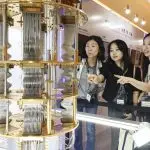
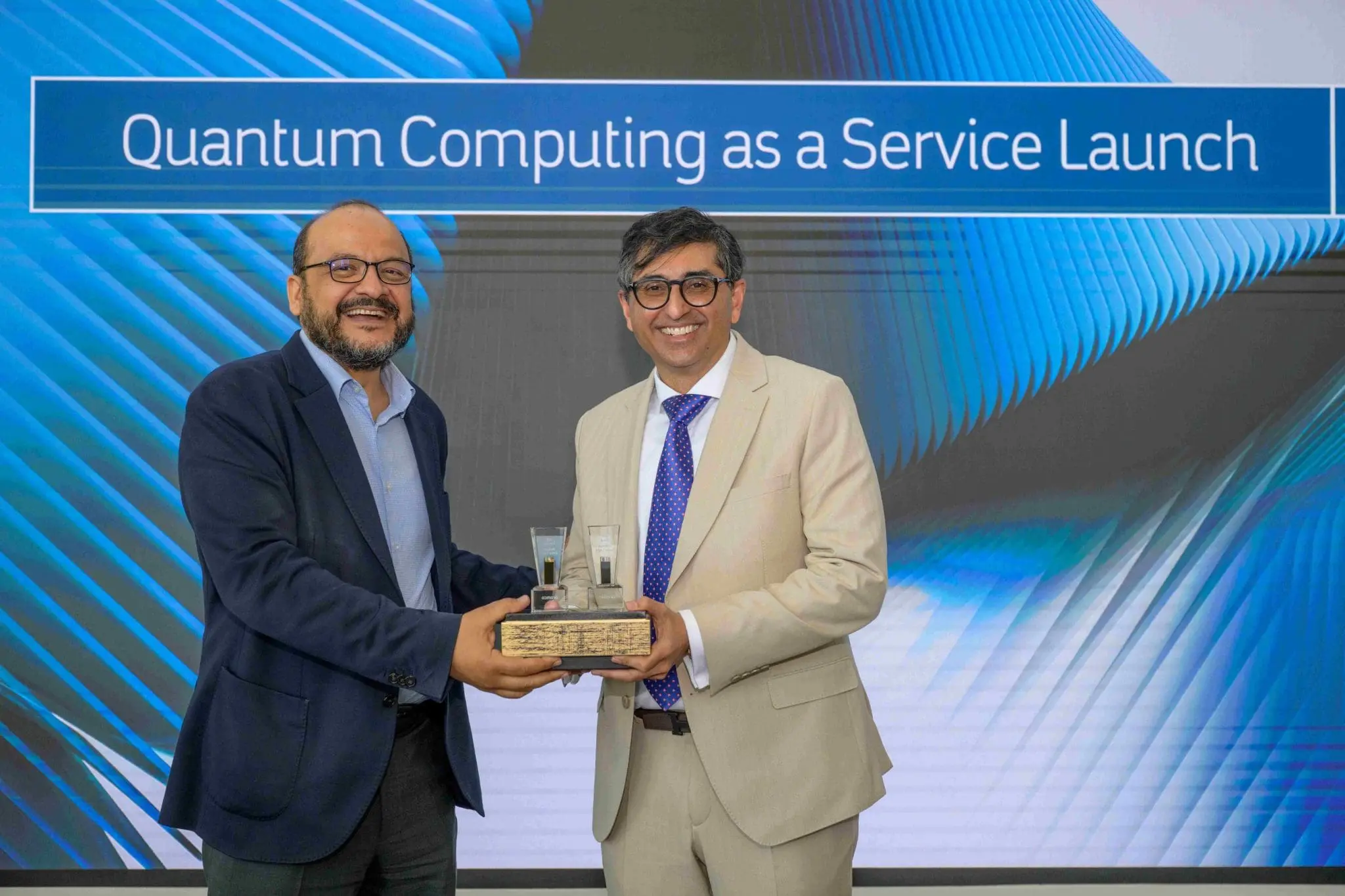
The pursuit of practical quantum computing advanced as OVHcloud, a leading European cloud provider, made the Belenos quantum computer available on its Quantum Platform. This deployment follows a growing trend of cloud-based quantum access, allowing researchers and developers to experiment with quantum algorithms without the substantial capital investment required to build and maintain their own quantum hardware. While still in its early stages, this accessibility is considered crucial for fostering innovation and identifying viable applications for quantum computers. Beyond simply hosting the Belenos machine, the move reflects a broader strategic push for European technological independence in the quantum realm. This gathering underscores the importance of quantum technologies for Europe’s “technological and industrial sovereignty,” building on a French-German agenda established in August. The initiative aims to strengthen ties between industry, policymakers, and researchers, accelerating the development of competitive, market-ready quantum technologies across borders.
This project specifically targets the development of new quantum algorithms dedicated to the complex modelling of fluid flows, a critical challenge in optimizing aircraft performance. Current methods rely on extensive numerical calculations and costly wind tunnel tests; AQeFLU, launched on May 7th, explores how quantum approaches can complement these existing techniques. The teams will initially test algorithms on academic cases before applying them to industrial applications, particularly in combustion and propulsion systems. Signatories pledged to deepen exchanges, partnerships, and synergies, focusing on four objectives.
The integration of Belenos 12 qubits into the OVHcloud portfolio marks a decisive step for quantum in Europe. Accessible through the cloud, this photonic computer becomes a concrete tool for businesses.
Niccolò Somaschi, CEO and co-founder Quandela
AQeFLU Project: Quantum Algorithms for Fluid Dynamics
Quandela, a leader in photonic quantum computing, is actively partnering with Safran Tech, the research and technology centre of aerospace giant Safran, on the AQeFLU research project, signaling a focused effort to apply quantum algorithms to the notoriously complex field of fluid dynamics. Launched on May 7th, the project directly addresses the limitations of current methods for simulating airflow around aircraft, a critical process for optimizing performance and reducing development costs. Existing techniques rely heavily on extensive numerical calculations and physical wind tunnel testing, both of which are resource-intensive and time-consuming. The core ambition of AQeFLU is to explore how quantum computing can augment these conventional approaches, specifically targeting improvements in accuracy and efficiency. Researchers aim to develop algorithms capable of more effectively modelling turbulence and other intricate fluid behaviours, potentially unlocking designs with superior aerodynamic characteristics and reduced fuel consumption. Their cooperation will focus on four objectives.
This work leverages the combined expertise of Quandela in building and deploying photonic quantum computers and Safran Tech’s deep understanding of aerospace engineering and fluid dynamics. Initial phases of the project will involve testing the newly developed algorithms on established academic benchmarks before progressing to more complex, real-world industrial applications, with a particular focus on combustion and propulsion systems. This focus on practical application is a key differentiator, as many quantum computing projects remain theoretical.
In the long term, the use of quantum computing could make industrial design phases more efficient, whilst paving the way for tangible advances, such as improved aerodynamic performance and reduced fuel consumption.
Frédéric Feyel, Director of the Digital Platform at Safran Tech
European Organizations Commit to Quantum Ecosystem Growth
The accelerating drive to establish a robust quantum technology sector in Europe gained further momentum with a concerted push for cross-border collaboration between French and German organizations. Beyond diplomatic efforts, concrete partnerships are emerging to translate theoretical advancements into practical applications. This collaborative spirit extends to infrastructure and accessibility. The signatories will work together, focusing on four objectives. The organizations involved represent a diverse range of expertise, from fundamental research conducted by CNRS and Fraunhofer-Gesellschaft to the industrial focus of Safran and Quandela, and the collaborative efforts of Le Lab Quantique and QUTAC. This coordinated effort signals a strategic intent to not only innovate but also to ensure that Europe maintains a competitive edge in the burgeoning quantum landscape.
Our collaboration is a further illustration of the interest European manufacturers have in quantum computing.
Valérian Giesz, co-founder and COO of Quandela
Key Players: CEA, CNRS, Fraunhofer & Inria Roles
While much attention focuses on the race to build increasingly powerful quantum computers, the practical application of this technology relies heavily on a network of specialized research institutions and industrial partners, a landscape where French and German organizations are forging particularly strong ties. This isn’t simply about national prestige; it’s about establishing a robust ecosystem capable of translating theoretical advances into tangible economic benefits. Central to this collaborative effort are four key research organizations: the CEA, CNRS, Fraunhofer, and Inria. The CEA, France’s public research organization, directs its efforts toward bolstering France and Europe’s scientific, technological, and industrial independence, concentrating on areas like low-carbon energy, digital technology, and defence. Simultaneously, the CNRS, a major player in global basic research, uniquely positions itself across all scientific fields, enabling interdisciplinary approaches to contemporary challenges and fostering connections with public and socio-economic stakeholders.
These institutions aren’t operating in isolation; they are actively partnering with industry to accelerate innovation. Complementing these French efforts, Fraunhofer-Gesellschaft, Germany’s leading applied research organization, focuses on commercializing technological breakthroughs, while Inria, the French national institute for digital science and technology, acts as a digital programs agency, leading over 300 research and innovation projects.
The quantum revolution accelerates and OVHcloud is taking its part as the European Cloud leader within the ecosystem.
Miroslaw Klaba, R&D Director OVHcloud



See today’s quantum computing news on Quantum Zeitgeist for the latest breakthroughs in qubits, hardware, algorithms, and industry deals.