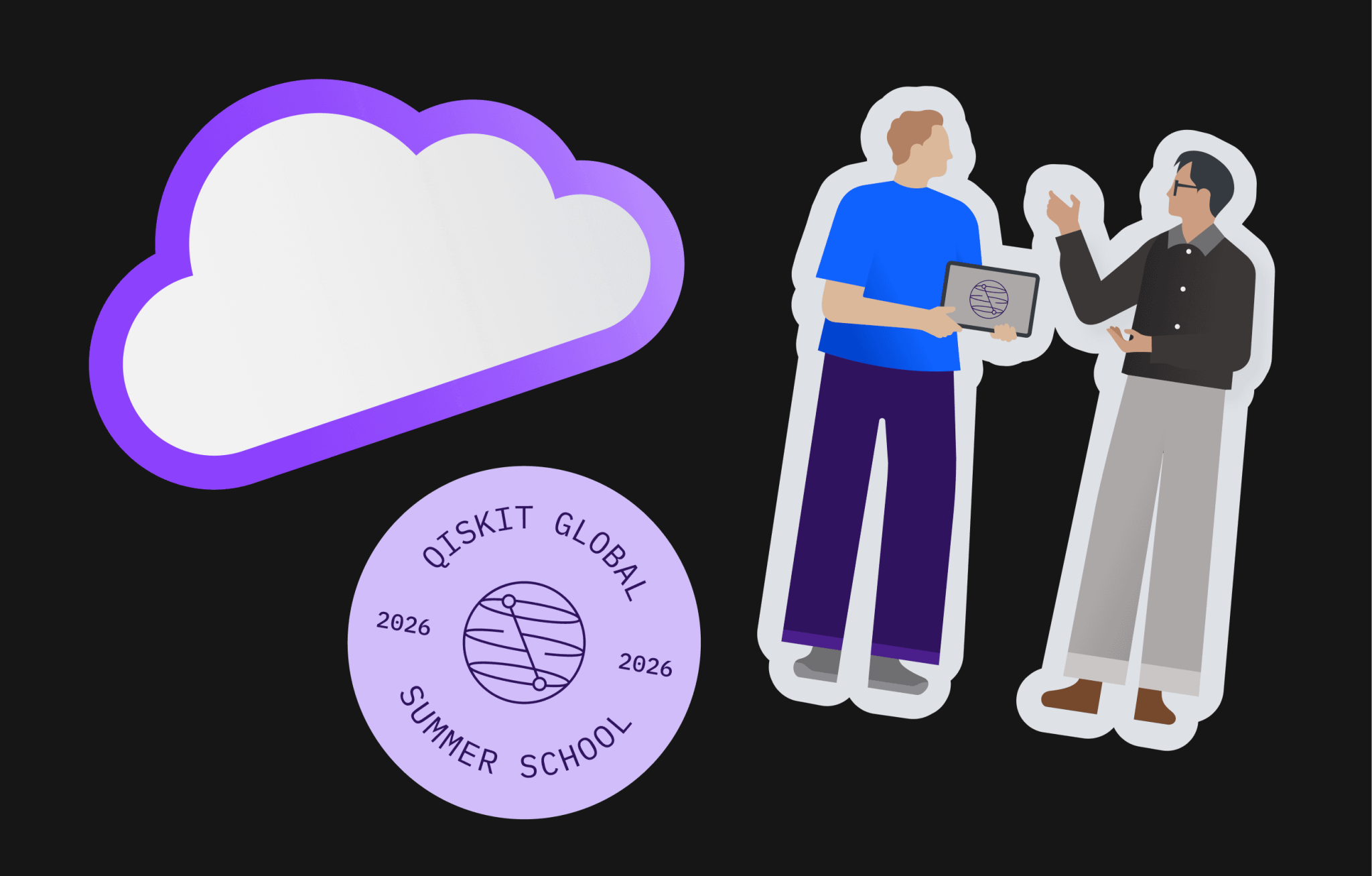
Ten years after IBM first offered access to a quantum computer via the cloud, sparking a global quantum ecosystem, the company is opening registration for the Qiskit Global Summer School. Running from July 13, 24, the free, virtual program is designed to equip students, researchers, and developers with practical quantum computing skills using Qiskit. This year’s iteration introduces a dedicated beginners-only track, allowing newcomers to access learning content without the pressure of advanced assignments, alongside updated scoring requirements and optional professional development workshops. According to IBM, the Summer School theme will celebrate this legacy while giving participants the skills to explore complex workloads on today’s high-performance quantum computers. Participants will learn directly from IBM Quantum researchers and engineers, completing guided coding labs and connecting with peers through a dedicated Discord community.
Qiskit Global Summer School: Program Structure & Flexibility
A dedicated beginners-only track significantly expands accessibility for the 2026 Qiskit Global Summer School, a free, virtual program designed to cultivate quantum computing skills using Qiskit. Running from July 13, 24, the program builds upon a decade of cloud-based quantum access initiated by IBM, fostering a growing global ecosystem of quantum developers and researchers. This year’s iteration emphasizes hands-on programming and real-world applications, moving beyond theoretical foundations to equip participants with tools for today’s high-performance quantum computers. The program’s structure prioritizes flexibility, offering recorded lectures, interactive assignments, and a dedicated Discord community to facilitate peer-to-peer learning. To qualify for Participation Certificates or Badges, participants are now required to watch 80% of all core IBM Quantum lectures, a change from previous years.
While special guest lectures and panel discussions are not graded, the advanced track still demands completion of lab assignments. The curriculum is structured to support a range of experience levels, from quantum novices to experienced users looking to deepen their expertise, according to program materials. Recognizing the need to prepare individuals for careers in the burgeoning quantum field, the Summer School introduces optional professional development workshops. These sessions will cover essential skills such as reading quantum papers, utilizing GitHub, and refining networking strategies, though workshops will not impact final scores. The program is open to students, educators, developers, and professionals, with no prior quantum computing experience required for the beginners’ track; some Python familiarity is recommended for those undertaking lab exercises. Organizers emphasize that registration fills quickly, often within a week, urging prospective participants to sign up promptly and commit to full engagement.
Beginners Track & Updated Scoring for QGSS 2026
The accessibility of quantum computing education is undergoing a notable shift with the introduction of a dedicated beginners-only track at the Qiskit Global Summer School (QGSS), running July 13, 24. This new feature acknowledges the historically steep learning curve associated with quantum information science and aims to lower the barrier to entry for those without prior experience. Participants can now access core learning content without the pressure of completing advanced lab assignments and programming exercises, a deliberate strategy to broaden participation in the field. This year’s QGSS also incorporates updated scoring requirements designed to incentivize engagement with foundational material. These workshops, though not graded, demonstrate a commitment to preparing participants for roles in the burgeoning quantum workforce.
Decade of Cloud Quantum Computing & Workforce Development
The expansion of cloud-based quantum computing, now entering its second decade, is increasingly focused on translating theoretical advances into practical skills, as evidenced by the ongoing evolution of programs like Qiskit Global Summer School. IBM’s initial offering of cloud access to a quantum computer ten years ago catalyzed a global ecosystem, and the Qiskit program reflects a commitment to fostering that growth through accessible education. This year’s iteration, running July 13, 24, builds upon that foundation with a curriculum emphasizing hands-on programming and real-world applications of quantum information science. Optional professional development workshops, covering topics like reading quantum papers and networking best practices, are also being introduced, though these will not be graded. “Ready to be part of what comes next?” asks the program’s registration page, reflecting a broader industry shift toward delivering meaningful applications and unlocking new value from quantum technology.
It’s been ten years since IBM put the first quantum computer on the cloud, giving rise to a global ecosystem of developers, researchers, startups, and enterprises all working to advance quantum technology.



See today’s quantum computing news on Quantum Zeitgeist for the latest breakthroughs in qubits, hardware, algorithms, and industry deals.