Quantum Computing Inc. reported second quarter revenue of $5.6 million, a substantial increase from $61,000 during the same period last year, signaling rapid expansion for the company. This growth follows the acquisition of NHanced Semiconductors, Inc., the company’s third acquisition this year, and the subsequent launch of Fab 2 ahead of schedule.
According to Dr. Yuping Huang, Chief Executive Officer of QCi, “During the second quarter, we continued to execute on our strategy of making our quantum products smaller, more practical, and more accessible.” The accelerated production capacity aims to deliver scalable, cost-effective quantum technologies to a growing commercial market.
Q2 2026 Revenue Surges to $5.6 Million, Up From $61,000
Quantum Computing Inc. This increase reflects growing demand for QCi’s integrated portfolio of quantum and photonics technologies, products, and services, serving a diverse customer base spanning government, education, and commercial sectors. Revenue generation was primarily fueled by sales of photonics products, which simultaneously support the company’s long-term quantum technology roadmap and address immediate needs in aerospace, government, and industrial applications.
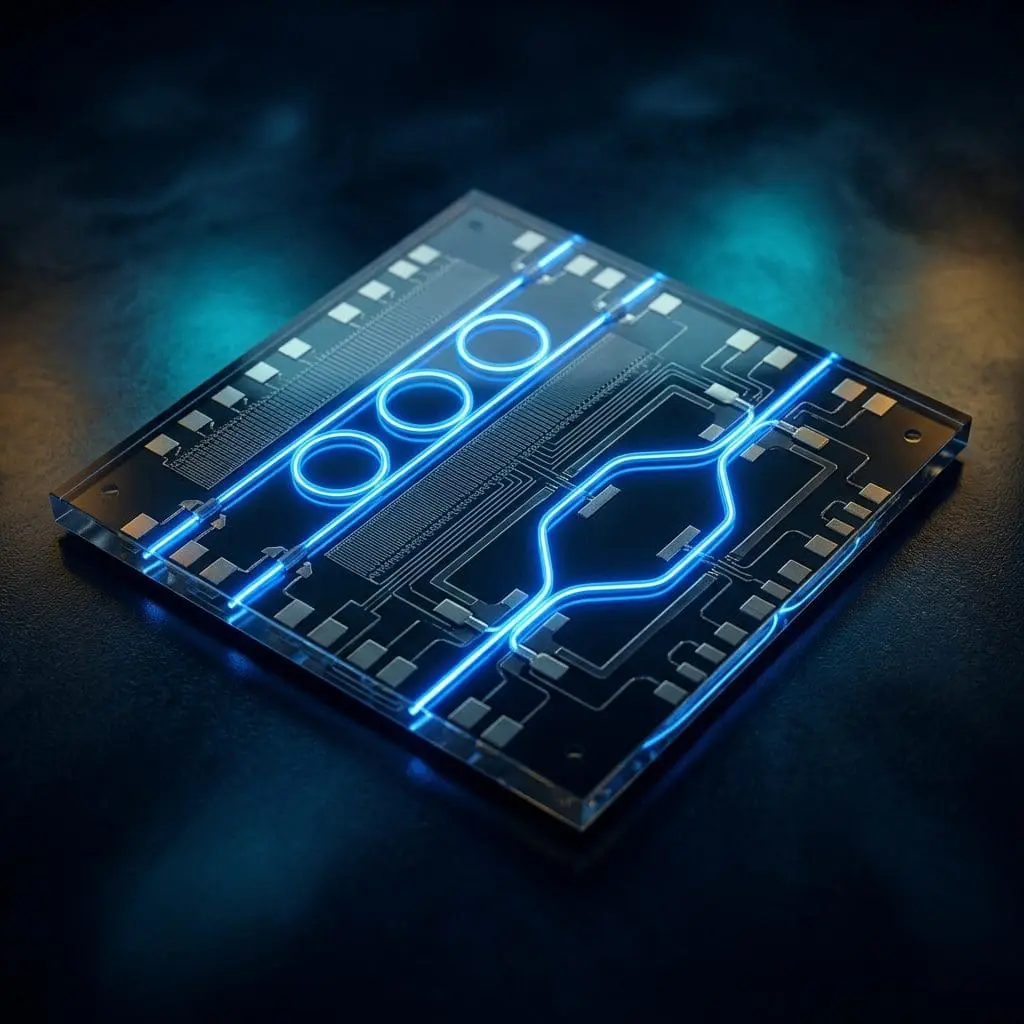
The company completed the acquisition of NHanced Semiconductors, Inc., launching Fab 2 to advance key roadmap initiatives and expand U.S.-based manufacturing capabilities. QCi intends for Fab 2 to accelerate its transition toward scalable, cost-effective production of miniaturized nanophotonic quantum technologies, addressing a critical bottleneck in the development of practical quantum systems.
The company invested approximately $180 million in cash, including transaction expenses, to complete the acquisitions of Luminar Semiconductor, Inc., NuCrypt, and NHanced Semiconductors. Beyond manufacturing capacity, QCi demonstrated progress in commercial deployments during the quarter. The company successfully delivered and installed its Dirac-3 quantum optimization machine at a leading global consulting firm, where it will be used to address complex optimization problems for enterprise clients, including portfolio optimization.
The company also received a purchase order from a world-leading university for its quantum secure communications system, indicating continued traction in the quantum communications market and recognition of the company’s technology within the research community. Operating expenses increased to $21.8 million, a 114% rise compared to the second quarter of 2025, largely driven by increased headcount and expenses related to research and development, sales, marketing, and the recent acquisitions.
Despite the increased investment, the company reported a net loss of $11.8 million, or $0.05 per basic share, an improvement from the $36.5 million loss reported during the same period last year. This reduction in net loss was partially attributable to a smaller non-cash loss on the mark-to-market valuation of a derivative liability, which totaled $1.7 million in the second quarter of 2026 compared to $28 million in the prior year period.
As of June 30, 2026, QCi held approximately $1.3 billion in cash, cash equivalents, and investments, providing a strong financial foundation for continued expansion. The company’s total assets reached approximately $1.6 billion, remaining relatively stable compared to the end of 2025. Contract backlog stood at $42.5 million, providing visibility into future revenue streams.
Dr. Yuping Huang, Chief Executive Officer of QCi, commented, “Supported by a strong balance sheet, we remain well positioned to continue integrating our recent acquisitions, expand our commercial and government customer base, and invest in the technologies and manufacturing capabilities that support both our commercial businesses and our long-term quantum roadmap.” As we look to the second half of 2026, we stay focused on executing our roadmap and delivering on our mission of putting quantum into the hands of everybody.
During the second quarter, we continued to execute on our strategy of making our quantum products smaller, more practical and more accessible.
Dr. Yuping Huang, Chief Executive Officer of QCi




See today’s quantum computing news on Quantum Zeitgeist for the latest breakthroughs in qubits, hardware, algorithms, and industry deals.