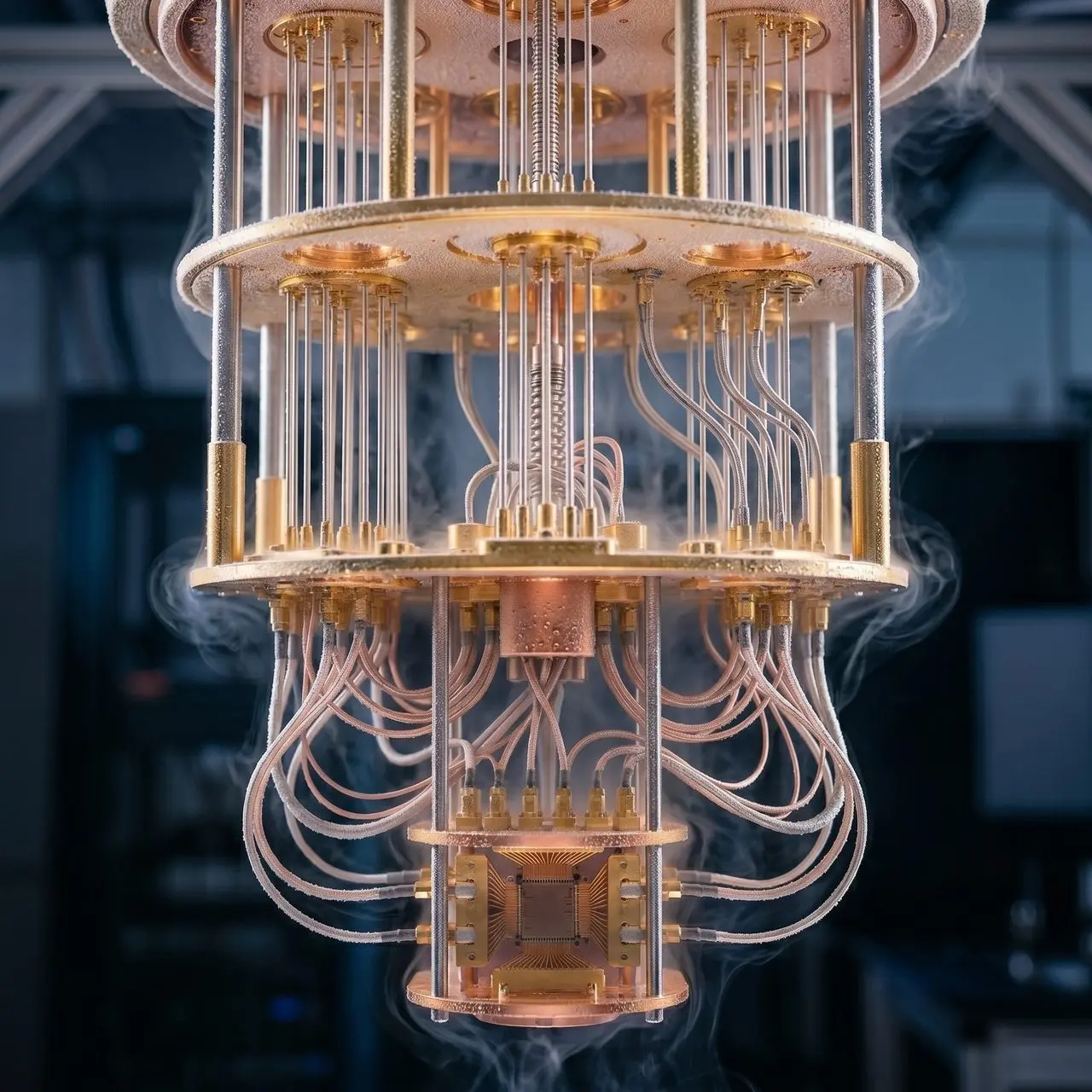
Qarakal Quantum will illustrate a modular, von Neumann-like fault-tolerant quantum computer architecture at the inaugural World Quantum Cannes Festival. Sheir Yarkoni, Director of Quantum Software at Qarakal Quantum, will deliver the keynote presentation on Wednesday, November 18, at 10:40 a.m, the company says. from the Palais des Festivals and Congrès de Cannes. The event aims to transform scientific breakthroughs into real-world impact, and Qarakal Quantum’s presentation will focus on its quantum bus technology, the interconnect enabling scalable architectures.
Qarakal Quantum’s Keynote at World Quantum Cannes Festival
Qarakal Quantum focuses on realizing a scalable computer composed of interconnected building-block modules, requiring a fault-tolerant interconnect for unified operation. This architecture orchestrates specialized quantum processing, memory and control to achieve fault tolerance for scalable systems, and the keynote will specifically address the quantum bus technology enabling this modularity. Yarkoni leads advanced research and development at the intersection of quantum algorithms, error correction and hardware-aware architecture.
“Realizing this vision requires a natively fault-tolerant interconnect that allows separate quantum modules to operate as one computer,” Qarakal Quantum stated in a release. The company joins other experts at the inaugural festival, bringing together subject matter experts, industry end users, policy makers and investors. Qarakal Quantum announced its participation from its base in Tel Aviv, Israel.
Source: https://qarakal.ai/qarakal-quantum-to-deliver-keynote-presentation-at-world-quantum-cannes-festival/

See today’s quantum computing news on Quantum Zeitgeist for the latest breakthroughs in qubits, hardware, algorithms, and industry deals.