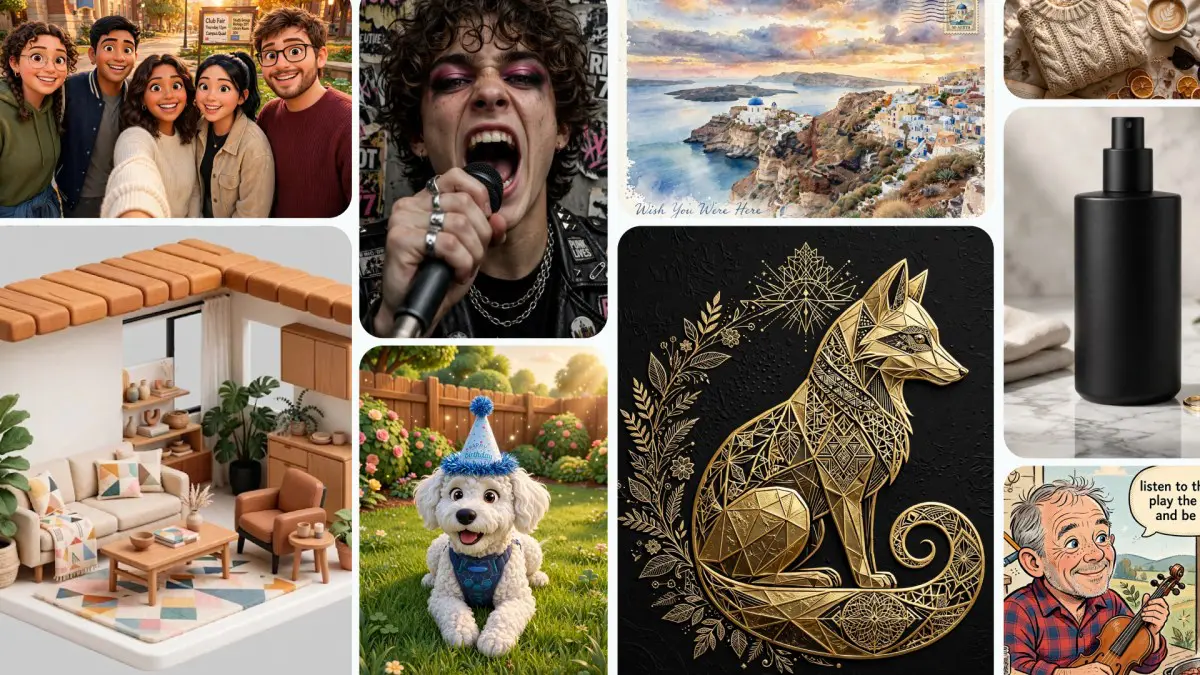
Meta is expanding its artificial intelligence capabilities with the launch of Muse Image, its first image generation model from Meta Superintelligence Labs, now available in Meta AI. Beyond simple image creation, the model can now render legible text within generated visuals, enabling users to create detailed infographics or how-to guides directly from text prompts. Users can also generate images containing a functional QR code using simple text prompts, demonstrating a surprising level of detail and utility. More than 30 new AI-powered effects are being rolled out for Instagram Stories, powered by Muse Image, allowing users to generate visuals directly within the app; Meta states Muse Image “acts as the creative partner that knows your world.”
This rollout represents a substantial increase in features, extending beyond simple filters to encompass complex image generation directly within the app. The model also powers image creation in direct chats on WhatsApp, initially in a limited number of countries with further expansion planned. Meta’s approach differs from many existing image generators by focusing on contextual understanding; Muse Image doesn’t simply construct an image, but also allows for the integration of existing Instagram accounts via @-mentions, enabling the creation of personalized graphics using public photos. Users retain control over this feature with an opt-out setting. The model’s intelligence extends to redesigning spaces; users can photograph a room and request a makeover incorporating real products from the web or Facebook Marketplace. A Meta representative indicated ambitions beyond personal use, with plans to integrate Muse Image into Advantage+ creative tools for advertisers in the coming weeks.
This extends beyond the capabilities of many current image generation tools, which often struggle with coherent text rendering. The intelligence behind Muse Image isn’t solely about visual synthesis; it’s rooted in a planning stage facilitated by its pairing with Muse Spark. The system doesn’t simply construct an image, but first “plans its layout, looking up real-time web context, and intelligently blending multiple visual references at once,” according to Meta. This allows for complex requests, such as placing a pet within a famous painting or combining multiple photographs into a single, cohesive postcard. The ability to edit directly on the generated photo, using markup tools for sketching and annotation, and the system’s memory of the conversational context, allows for iterative refinement without restarting the process.
Whether you want to place your pet in a famous painting or combine a selfie with a vacation photo to create a custom postcard, Meta AI handles the complex reasoning for you so the final visual matches your vision perfectly.
Meta AI
Instagram Integration: Presets and User-Tagged Content
Instagram users are gaining access to an expanded suite of artificial intelligence tools through Meta’s integration of Muse Image, with the rollout of over 30 new AI-powered effects for Instagram Stories. Beyond basic image generation, the model’s capabilities extend to surprisingly detailed functions, including the rendering of legible text within generated images. Users can now request and receive how-to guides or infographics directly from text prompts, a feature exceeding the functionality of many contemporary image generators. This advancement allows for the creation of visuals with embedded, readable information, broadening the scope of content creation within the platform. Muse Image facilitates the generation of images containing functional QR codes from simple text requests, demonstrating a level of precision and utility beyond purely aesthetic outputs.
Meta is also introducing a presets panel within Meta AI, offering suggested prompts to inspire users and simplify the creative process; “One tap restores an old family photo, lets you see yourself with trending hairstyles, or reimagines you as a claymation character or a 16-bit video game hero.” The integration extends to user-tagged content, enabling the inclusion of public photos from Instagram profiles directly into generated images by using the @-mention feature. Meta emphasizes user control, providing an easily accessible setting to disable this tagging functionality for AI creation. This feature allows for collaborative creative concepts and personalized graphics, leveraging existing Instagram content within new visuals.


See today’s quantum computing news on Quantum Zeitgeist for the latest breakthroughs in qubits, hardware, algorithms, and industry deals.