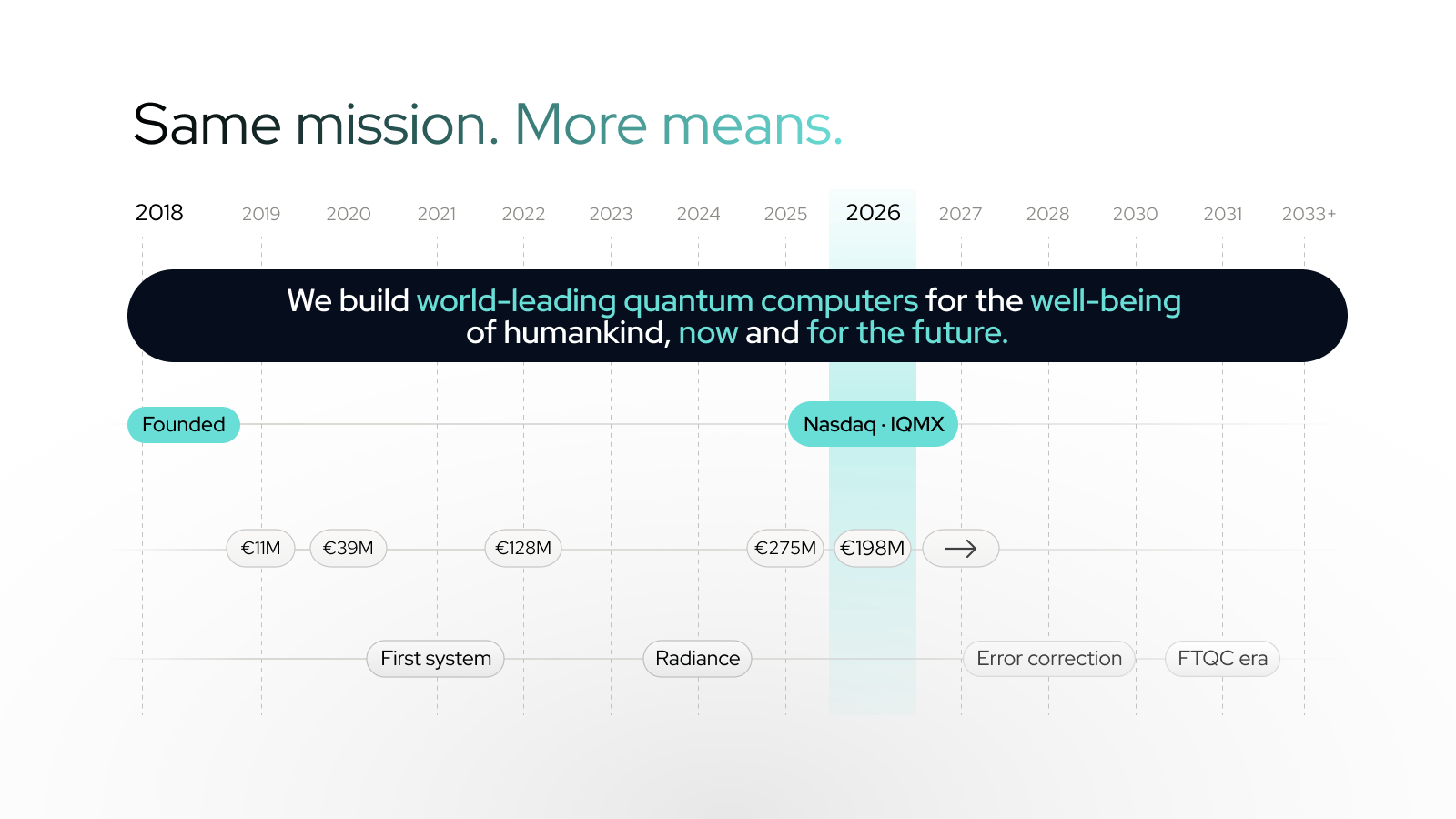
In 2018, a challenge for scaling quantum computing sparked the formation of IQM, a company that recently became the first European quantum computing company to list on Nasdaq two months ago. The company’s initial approach centered on “good qubits, fast gates, thermal management,” components they believed would set them apart. IQM’s listing provides the means to pursue a decade-long mission: to build world-leading quantum computers, shifting the focus from proving the technology works to rapidly deploying it as everyday infrastructure.
Nasdaq Listing Enables Global Expansion & Customer Control
The listing, mirrored simultaneously on Nasdaq Helsinki, provides the financial and operational ability necessary to transition from a research-focused startup to a global provider of quantum solutions, according to the company. This expansion isn’t simply about raising capital; it’s about establishing a model where customers maintain ownership and control over quantum systems, rather than relying on leased access. The impetus for IQM’s formation dates back to 2018, when a group of physicists at Aalto University and VTT identified a critical challenge: scaling quantum computing, specifically within a European framework.
This initial focus on overcoming technical hurdles, described as achieving “good qubits, fast gates, thermal management”, laid the foundation for the company’s subsequent trajectory. The team’s early work wasn’t merely theoretical; it involved a deliberate shift towards fabricating their own chips, building complete systems, and developing the software to connect them to practical applications.
This hands-on approach, they assert, was essential to delivering quantum computers customers could truly own, operate, and expand upon. The decision to pursue a public listing wasn’t driven by a desire for short-term gains, but by a long-term vision. IQM’s mission, established with early employees, is to build world-leading quantum computers “for the well-being of humankind, now and for the future.” Initially considered ambitious for a Nordic startup, this mission now feels increasingly attainable, bolstered by the capital raised through the Nasdaq listing.
The company views this not as an end in itself, but as a transformation of aspiration into a concrete plan with a clear strategy for execution. This shift in perspective is critical, as the company acknowledges that achieving its goals requires a timeline measured in decades, not typical venture capital cycles, IQM says. The listing has also prompted a heightened level of scrutiny and accountability.
Quarterly reporting requirements and increased public visibility have instilled a more cautious approach to public statements, a process the company welcomes as a means of building trust and solidifying its reputation. However, the most significant change lies in the nature of the competitive landscape. The initial question, whether quantum computing even works, is increasingly being replaced by a more pressing concern: whether it can be industrialized and deployed at a pace that meets global needs.
This transition from proving feasibility to achieving scalable manufacturing is where IQM believes the next few years will be won or lost. IQM’s business model centers on empowering customers with direct control over their quantum infrastructure. Unlike models that rely on remote access to shared quantum resources, IQM aims to provide systems that customers can own, operate, and customize. This necessitates a global presence, extending far beyond the company’s Finnish origins.
IQM now builds and supports systems across Europe, Asia, and the United States, including within the U.S. Department of Energy national laboratory system, employing personnel from over forty countries. This global reach, facilitated by the Nasdaq listing, is essential to fulfilling its commitment to on-site system maintenance and support. The company completed its first merger and acquisition transaction to develop an application platform for its quantum computers, signaling a commitment to building a complete ecosystem around its hardware, according to IQM.
This consolidation strategy was a key motivation for becoming a publicly traded company, allowing for greater flexibility in pursuing strategic acquisitions and partnerships. The valuation achieved during the listing is particularly noteworthy; it was based on real commercial numbers, rather than speculative projections, in a sector known for volatile sentiment. This validation from investors, both existing and new, underscores their confidence in IQM’s long-term potential.
Despite the significant changes brought about by the listing, the fundamental challenge remains the same: building superior quantum computers. However, the company now benefits from the expertise of hundreds of industry professionals working alongside its team, and the scrutiny of a wider audience tracking its progress. IQM emphasizes that the listing is not a finish line, but rather an important step forward, enabling further breakthroughs and accelerating the execution of its roadmap, the firm reports.
The company is determined to establish Europe as a leader in quantum computing, rather than simply relying on imported technology. The company’s leaders believe that the listing represents a step forward, allowing them to achieve more breakthroughs and execute their roadmap, and they are ready to change the future.




See today’s quantum computing news on Quantum Zeitgeist for the latest breakthroughs in qubits, hardware, algorithms, and industry deals.