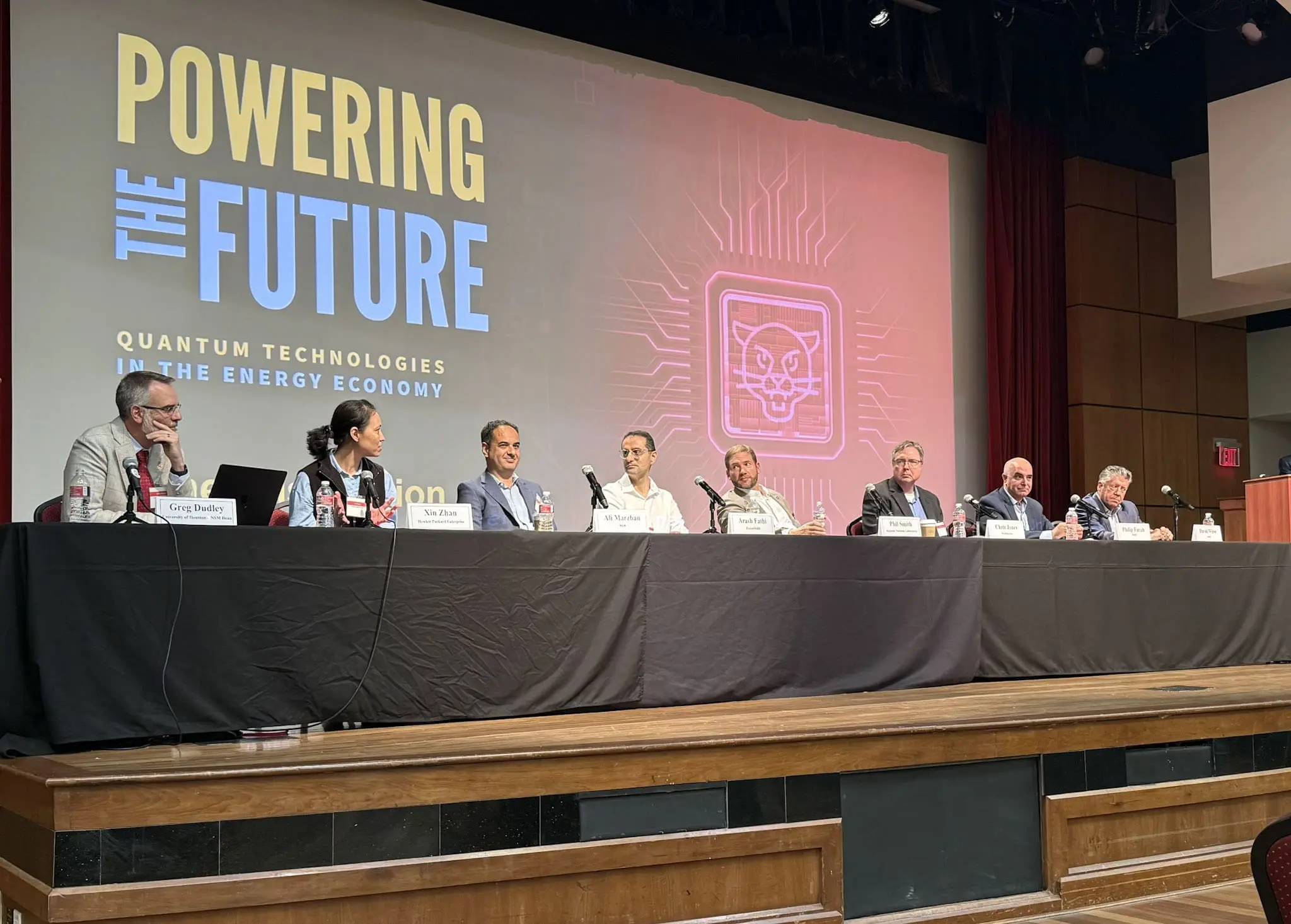
The University of Houston is actively building a quantum workforce in anticipation of a predicted 850,000-worker gap facing the field by 2036, according to data presented by IonQ at a recent symposium. This shortfall underscores the urgent need for institutions to scale quantum education and training programs, as current university output is projected to yield around 250,000 qualified graduates over the next decade. “That roughly 600,000-job gap could decide which institutions and regions benefit most from the technology’s growth,” said Philip Farah, vice president of sales and strategic partnerships at IonQ. UH’s Quantum Initiative focuses on computing, materials, networks, and workforce development, and frames the integration of quantum technologies as essential to the future of energy systems; Claudia Neuhauser, vice president and vice chancellor for research at UH, explained, “As energy systems evolve to incorporate advanced computation, new materials and digital infrastructure, quantum technologies will become part of that future landscape.”
IonQ Symposium Highlights Quantum Workforce Development Needs
The quantum computing sector faces a critical shortfall of skilled workers. IonQ data indicates a potential gap of 850,000 professionals by 2036, a figure that underscores the urgency of proactive workforce development initiatives. Responding to this challenge, the University of Houston recently hosted a symposium, “Powering the Future: Quantum Technologies in the Energy Economy,” in collaboration with IonQ and national laboratory partners, building on the momentum of the Texas Quantum Summit and its four strategic pillars: quantum computing, materials, networks, and workforce development. UH is strategically positioning itself as a primary engine for innovation in quantum technologies, integrating research, curriculum development, and industry engagement to build a robust pipeline of students prepared for emerging roles. Farah noted that they have never seen a technology move this fast, suggesting that early adoption and access to quantum infrastructure will be key to attracting faculty, fostering research, and launching related startups. Neuhauser added that they expect these quantum technologies to provide computational approaches that go beyond what classical systems can provide.
The accelerating pace of quantum computing development is increasingly visible in its potential for scalable applications, moving beyond theoretical possibilities toward tangible impact across multiple sectors. However, realizing this potential hinges on addressing a significant workforce gap, with IonQ data projecting a need for approximately 850,000 qualified quantum computing professionals within the next decade, while current university output is estimated at only 250,000 graduates.
As energy systems evolve to incorporate advanced computation, new materials and digital infrastructure, quantum technologies will become part of that future landscape.
Claudia Neuhauser, vice president and vice chancellor for research, University of Houston



See today’s quantum computing news on Quantum Zeitgeist for the latest breakthroughs in qubits, hardware, algorithms, and industry deals.