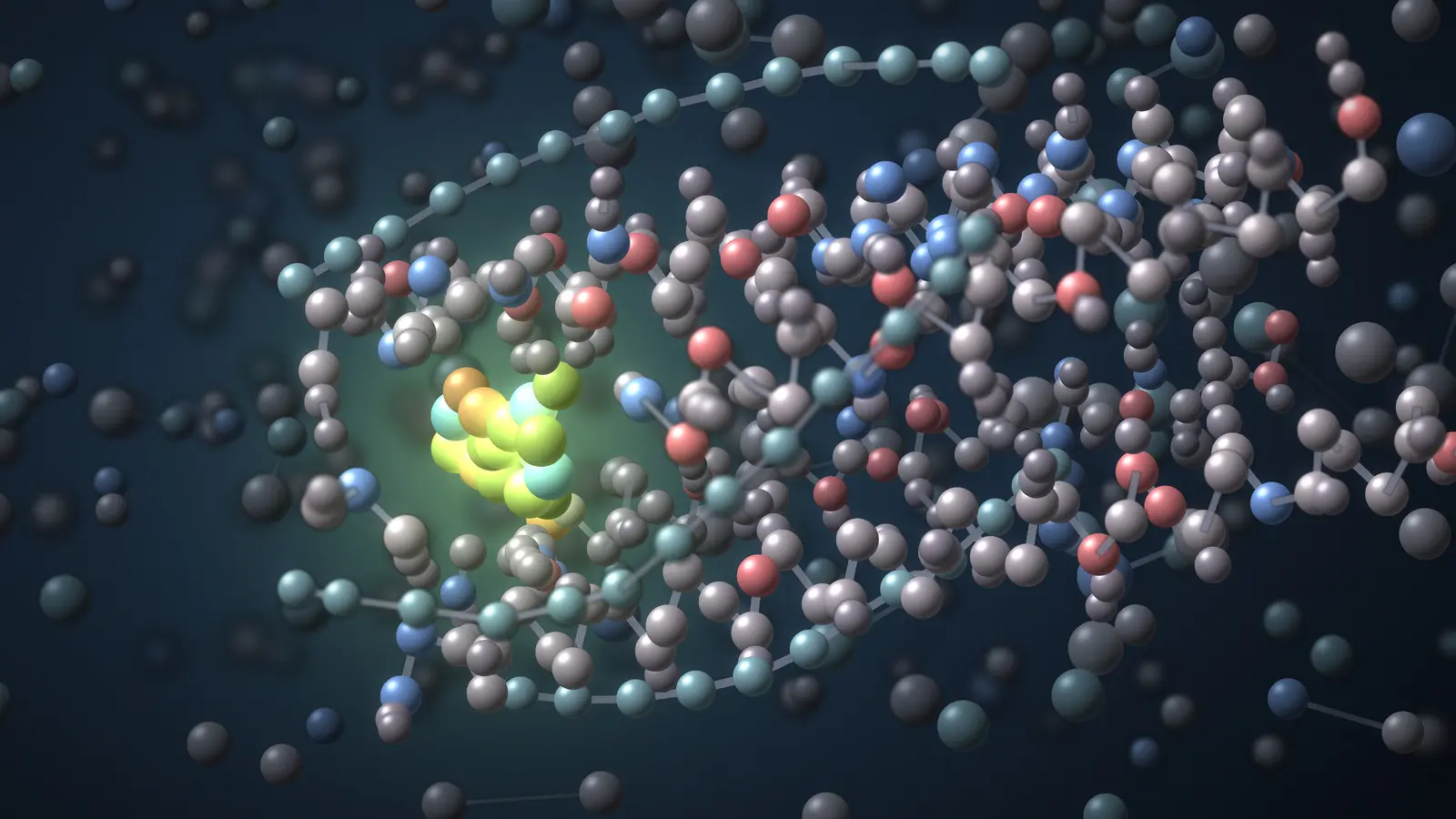
Fuel cells are achieving a current density of 2.12 amps per square centimeter thanks to a newly engineered carbon support. Researchers detail the creation of radial nanochannel-array carbon spheres (RNCS) featuring open-through-grooved mesopores, designed to uniformly assemble platinum-cobalt intermetallic nanoparticles.
This unique structure yields exceptional thermal and electrochemical stability, even at a high platinum content of 40 weight percent, and retained 82.5% performance after a rigorous accelerated stress test of 150,000 voltage cycles under heavy-duty vehicle conditions. The RNCS support enables these benefits in a single catalyst due to its ordered mesoporous structures and effective nanoconfinement.
RNCS Support Enables High Platinum Content & Fine Particle Dispersion
A newly engineered carbon support has facilitated a current density of 2.12 amps per square centimeter in fuel cells, a performance level suggesting substantial progress in the efficiency of these energy conversion devices. These meticulously crafted structures provide sufficient volume and an optimal pore size, enabling the uniform assembly of platinum-cobalt intermetallic nanoparticles directly within the carbon framework. The key to this advancement lies in the RNCS’s ability to simultaneously achieve several critical characteristics often challenging to integrate within a single catalyst.
Specifically, the support facilitates both a high platinum content, reaching 40 weight percent, and the fine dispersion of metal particles, kept below 5 nanometers in size. This precise control over particle size and distribution is crucial for maximizing the catalyst’s active surface area and, consequently, its efficiency. Annealing the material at elevated temperatures exceeding 1,000 degrees Celsius further refines the structure, yielding highly ordered L10-platinum-cobalt intermetallic phases with greater than 80% ordering.
The resulting synergy between the support and the catalyst material delivers exceptional thermal and electrochemical stability, addressing a major hurdle in long-term fuel cell operation. The ordered mesoporous structures within the RNCS are not merely passive supports; they actively contribute to performance through effective nanoconfinement. This nanoconfinement strengthens the interaction between the metal nanoparticles and the carbon support, preventing particle agglomeration and maintaining catalyst activity over extended periods.
This level of stability is particularly significant for applications demanding high performance and longevity, such as commercial transportation. Further analysis detailed in the supplemental materials explores the structure and property correlations of the RNCS support, varying synthetic chemistry to optimize its performance characteristics.
Ordered L10-Platinum-Cobalt Intermetallic Phases Achieved via High-Temperature Annealing
The creation of highly ordered L10-platinum-cobalt intermetallic phases within a novel carbon support represents a significant step toward durable, high-performance fuel cell catalysts. Researchers achieved this structural refinement by employing high-temperature annealing, exceeding 1,000 degrees Celsius, to optimize the arrangement of platinum and cobalt atoms. This precise ordering is critical, as it enhances both the thermal and electrochemical stability of the catalyst, addressing a long-standing challenge in fuel cell technology.
The team specifically targeted the formation of the L10 phase, known for its unique atomic arrangement and improved catalytic properties compared to disordered alloys. Central to this advancement is the radial nanochannel-array carbon sphere (RNCS) support, engineered with open-through-grooved mesopores. The RNCS does not simply act as a passive support; its ordered mesoporous structure actively contributes to the catalyst’s performance through effective nanoconfinement.
2.12 A cm−2 Current Density in Heavy-Duty Vehicle Fuel Cells
Xiaorui Li and colleagues have engineered a carbon support structure capable of sustaining a current density of 2.12 amps per square centimeter. This performance level, detailed in Nature Nanotechnology, represents a significant step towards the widespread adoption of fuel cell technology in transportation, exceeding the demands of commercial applications. The team focused on overcoming limitations in catalyst durability and efficiency, critical factors for vehicles requiring sustained high power output.
This precise control over material composition and structure directly addresses a long-standing challenge in fuel cell design. The catalyst retained 82.5% of its initial performance, indicating robust durability. The researchers highlight the synergistic effect of their design. The team’s work builds on previous efforts to improve fuel cell catalysts, acknowledging the need for materials that balance high activity with long-term stability.
Kodama, Nagai, Kuwaki, and Jinnouchi, in a 2021 publication, highlighted challenges in applying highly active platinum-based nanostructured catalysts to fuel cell vehicles. The combination of a uniquely structured carbon support and a carefully engineered intermetallic catalyst offers a pathway towards more efficient and durable fuel cells for heavy-duty transportation, potentially accelerating the transition to cleaner energy solutions.
Mesoporous RNCS Structure Facilitates Ionomer Dispersion & Mass Transfer
Maximizing ionomer dispersion and mass transfer with a novel carbon support material has significantly boosted the design of highly efficient fuel cell catalysts. These meticulously crafted pores provide ample volume and an optimized size for facilitating the movement of ions and reactants within the fuel cell environment, addressing a key limitation in existing catalyst designs. This ordering, combined with fine particle dispersion of less than 5 nanometers, represents a substantial improvement in catalyst longevity and efficiency.
The impact of this structural engineering is evident in performance metrics, including a current density of 2.12 amps per square centimeter at 0.70 volts under heavy-duty vehicle conditions and 82.5% performance retention after a rigorous accelerated stress test of 150,000 voltage cycles. This level of performance suggests a significant advancement in fuel cell efficiency, exceeding many currently available technologies.
Accelerated Stress Testing Demonstrates 82.5% Performance Retention
A current density of 2.12 amps per square centimeter at 0.70 volts under heavy-duty vehicle conditions was achieved, with 82.5% performance retained after a rigorous accelerated stress test of 150,000 voltage cycles. The key to this sustained performance lies in the unique structure of the carbon support, termed radial nanochannel-array carbon spheres, or RNCS. These spheres are not merely a passive scaffold for the platinum-cobalt intermetallic nanoparticles; they actively contribute to catalyst stability through a process of nanoconfinement and strengthening.
Researchers meticulously engineered open-through-grooved mesopores within the RNCS, providing sufficient volume and optimized size for ionomer dispersion and efficient mass and charge transfer. The team demonstrated that the RNCS support enables, emphasizing the synergistic effect of the engineered carbon and the intermetallic nanoparticles. The uniform assembly of platinum-cobalt nanoparticles within the RNCS framework is a direct result of the ordered mesoporous structure and the resulting nanoconfinement.
This arrangement not only enhances electrochemical stability but also thermal stability, crucial for withstanding the operating temperatures of fuel cell systems. Further analysis revealed that the RNCS structure provides effective nanoconfinement and strength, directly contributing to the observed durability during the accelerated stress tests.
The implications of this work extend beyond improved performance numbers; the ability to maintain a high percentage of initial activity after rigorous testing suggests a pathway toward fuel cell systems capable of meeting the demands of heavy-duty transportation, a sector actively seeking alternatives to fossil fuels. Source data for the figures referenced in the article are available online, allowing for independent verification of the reported results and further exploration of the underlying mechanisms driving this enhanced performance and longevity.




See today’s quantum computing news on Quantum Zeitgeist for the latest breakthroughs in qubits, hardware, algorithms, and industry deals.