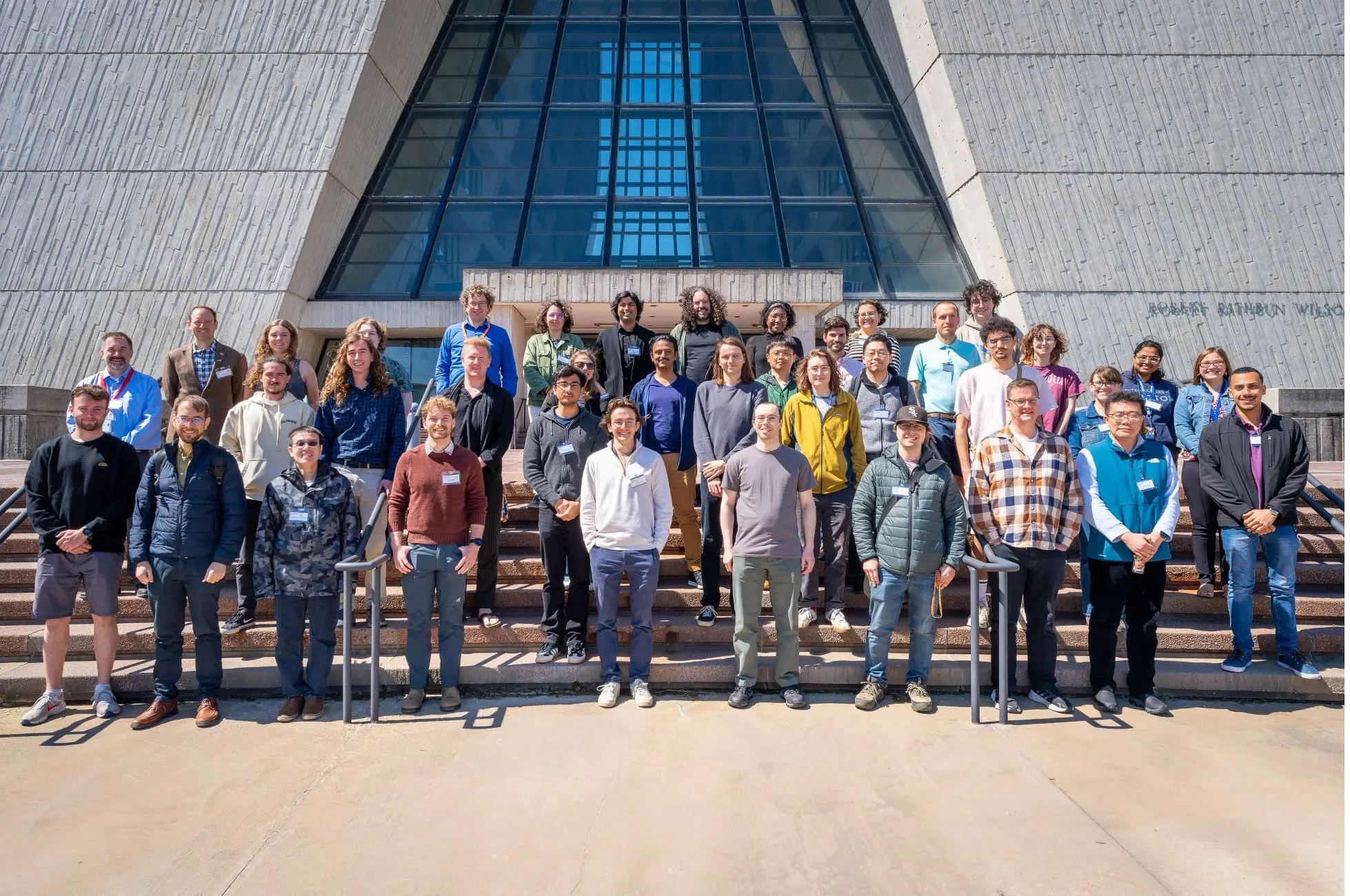
Fermilab recently welcomed approximately 50 early-career researchers, facilitators, and instructors to its inaugural DUNE Data Analysis School, a concentrated effort to build the workforce prepared to analyze data from the future Deep Underground Neutrino Experiment. The program, hosted through the lab’s Neutrino Physics Center, signifies a shift for the international project as installation at the underground site in South Dakota begins. This intensive training initiative also produced the collaboration’s first official curriculum for data analysis, providing a repeatable foundation for future scientists involved in the experiment.
DUNE Data Analysis School Prepares Early-Career Researchers
The weeklong program, modeled after Fermilab’s established CMS Data Analysis School, provided hands-on experience with the experiment’s software, artificial intelligence techniques, and modern analysis workflows, focusing specifically on the demands of DUNE data. Participants, including graduate students and postdoctoral researchers, engaged in lectures, tutorials, and collaborative projects covering simulation, reconstruction, and event selection, essential skills for future DUNE physics analyses.
Installation of DUNE is now beginning at an underground site in South Dakota, a shift from planning to physical construction, and the school’s timing reflects a parallel focus on data readiness, according to DUNE co-spokesperson Sowjanya Gollapinni. “This inaugural DUNE Data Analysis School hosted by NPC plays a key role in training our early-career members in the software and analysis tools needed to handle that initial data,” Gollapinni said. “A fantastic outcome is that we now have our first official curriculum that future schools can build upon!” The school also addressed the evolving field of computing, with experts from across the collaboration providing instruction and preparatory sessions.
Mike Kirby of Brookhaven National Laboratory emphasized the importance of quickly training new DUNE members, noting that developments in computing continue at a rapid pace, and opportunities for new DUNE members to quickly learn the computing and software concepts of DUNE software are essential. Organizers envision the school becoming an annual event, a cornerstone of workforce development, and a means of maximizing the experiment’s scientific potential, acknowledging the tireless work of the NPC, the local organizing committee and the program committee in its successful launch.
DUNE has officially moved from vision to reality as installation at the underground site in South Dakota kicks off, and a critical parallel focus for the collaboration is ensuring we are absolutely ready to analyze our very first data.
Sowjanya Gollapinni, DUNE co-spokesperson
NPC Curriculum Models CMS School for DUNE Expertise
Fermilab’s recent establishment of a dedicated curriculum for data analysis represents a proactive step toward maximizing the scientific return of the Deep Underground Neutrino Experiment, or DUNE. This structured program, modeled on Fermilab’s existing CMS Data Analysis School run by the LHC Physics Center, provides a repeatable foundation for onboarding future scientists and ensuring consistent analytical approaches across the international DUNE collaboration. The weeklong program focused on hands-on training in areas critical to DUNE’s success, including artificial intelligence, machine learning, and modern analysis workflows. Beyond immediate workforce preparation, the school’s curriculum is designed for longevity, allowing new DUNE members to contribute impactful analyses more rapidly.
DUNE has officially moved from vision to reality as installation at the underground site in South Dakota kicks off, and a critical parallel focus for the collaboration is ensuring we are absolutely ready to analyze our very first data.
Sowjanya Gollapinni, DUNE co-spokesperson



See today’s quantum computing news on Quantum Zeitgeist for the latest breakthroughs in qubits, hardware, algorithms, and industry deals.