Scientists from Utrecht, Leiden, and Munich report a key condition for achieving superconductivity at room temperature can be met without extreme cooling. The research, published in the journal Science, addresses a longstanding mystery surrounding high-temperature superconductivity, where materials become superconducting at considerably higher temperatures, though still around -173°C, than traditional superconductors requiring temperatures of -260°C using liquid helium.
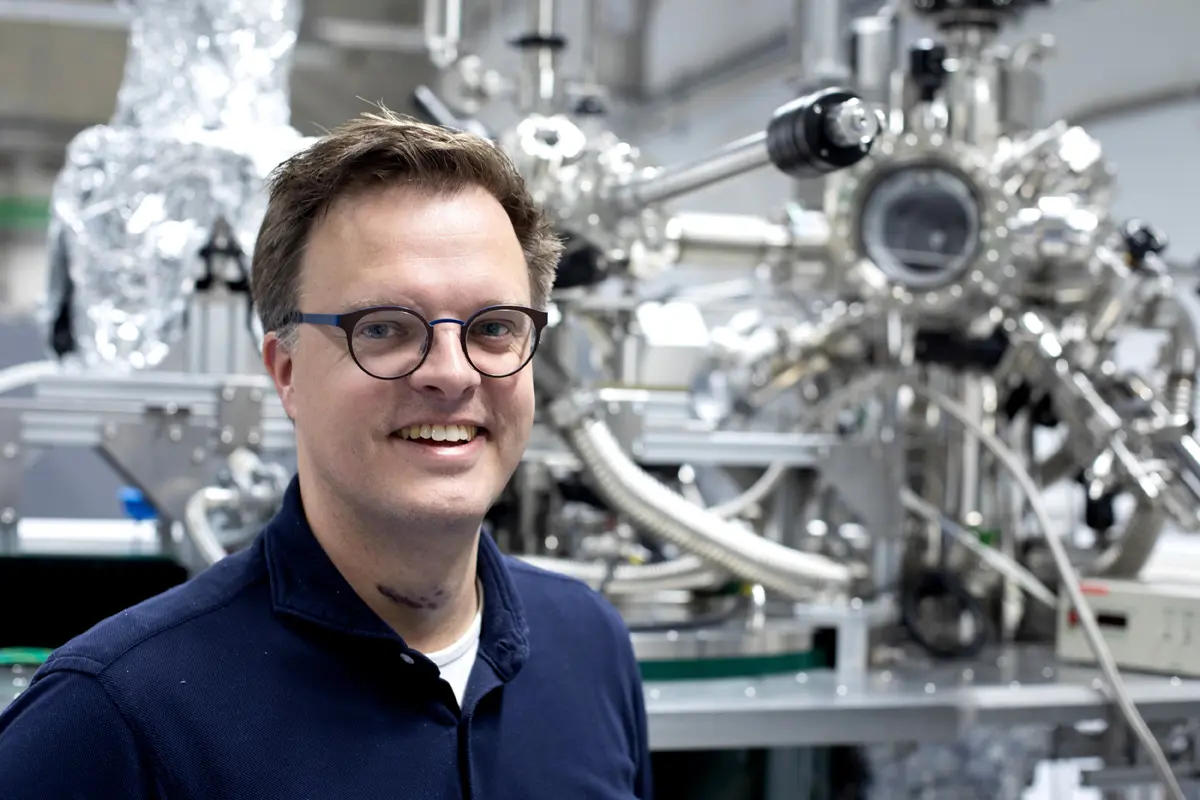
“This is really good news,” says Ingmar Swart, one of the research leaders. “We show that one of the two key conditions for superconductivity can be met at room temperature. If that weren’t possible, room-temperature superconductivity would be out of reach altogether.”
Cooper Pair Formation at Room Temperature Confirmed
Electron pairs, essential for superconductivity, now demonstrably form at temperatures achievable without specialized cooling, according to research published in Science. The new research shows that in high-temperature superconductors, electrons can already form pairs at temperatures well above the point at which superconductivity sets in. The research shows that materials can become superconducting at considerably higher temperatures, although these temperatures were still around -173°C.
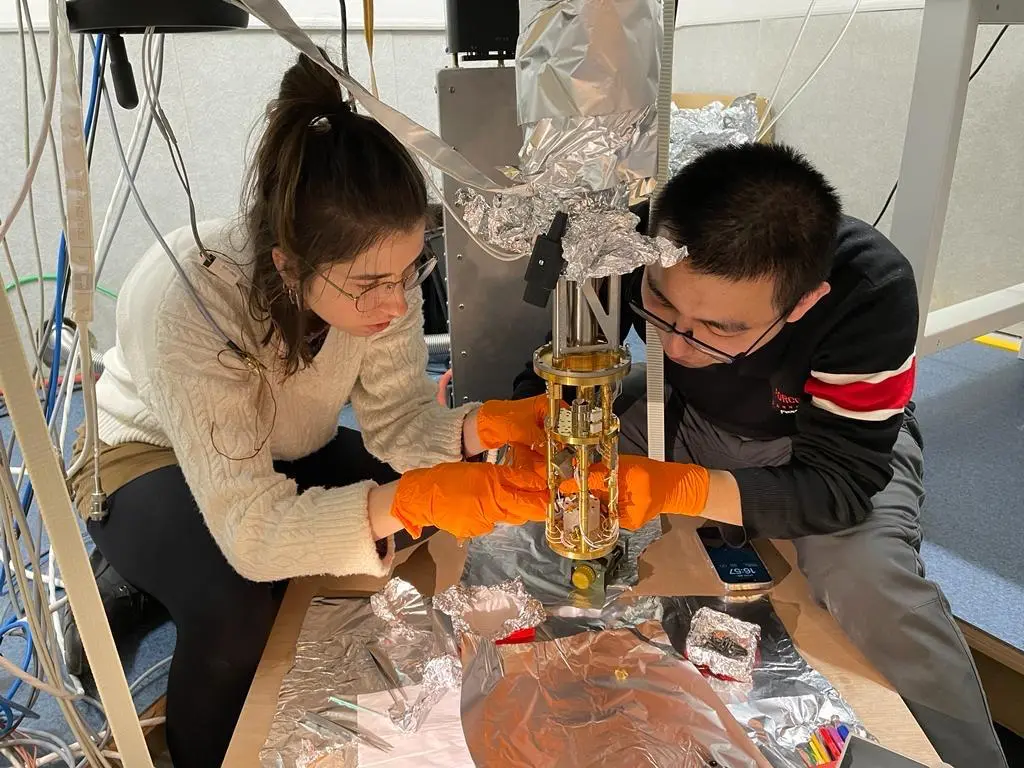
The ability to detect and measure these electron pairs was enabled by newly developed equipment constructed by the research group, allowing for the differentiation of electrical current based on the particles carrying it. Prior to this, determining when and how electron pairing occurred within a material proved elusive, hindering progress toward understanding the mechanisms behind high-temperature superconductivity.
The team’s work indicates that while Cooper pairs readily form in these materials, their ability to move in unison, a phenomenon known as phase coherence, appears to be the limiting factor preventing superconductivity at ambient temperatures, Utrecht says. This finding reframes the challenge of achieving room-temperature superconductivity, shifting the focus from simply creating stronger electron pairing to understanding and enhancing phase coherence. The researchers posit that if the synchronous movement of these pairs can be improved, it could unlock superconductivity at significantly higher temperatures.
“If we understand phase coherence, it may point to a path toward superconductivity at higher temperatures,” Swart explained, outlining the direction of future research. The team’s data suggests that the formation of Cooper pairs, previously thought to be a major hurdle, is already sufficiently robust at room temperature, meaning the second key condition for superconductivity is not impossible to meet.
The implications of this work extend beyond a theoretical understanding of superconductivity. It provides a concrete target for materials scientists. The team’s ability to isolate and measure electron pairing provides a new avenue for systematically searching for materials with enhanced phase coherence, potentially accelerating the development of practical, room-temperature superconductors. This fundamental research is important because without understanding the process, systematically searching for materials that become superconducting at room temperature is impossible, as Swart noted.
The ‘glue’ that holds the pairs together is strong enough to keep them together even at room temperature.
Ingmar Swart, one of the research leaders




See today’s quantum computing news on Quantum Zeitgeist for the latest breakthroughs in qubits, hardware, algorithms, and industry deals.