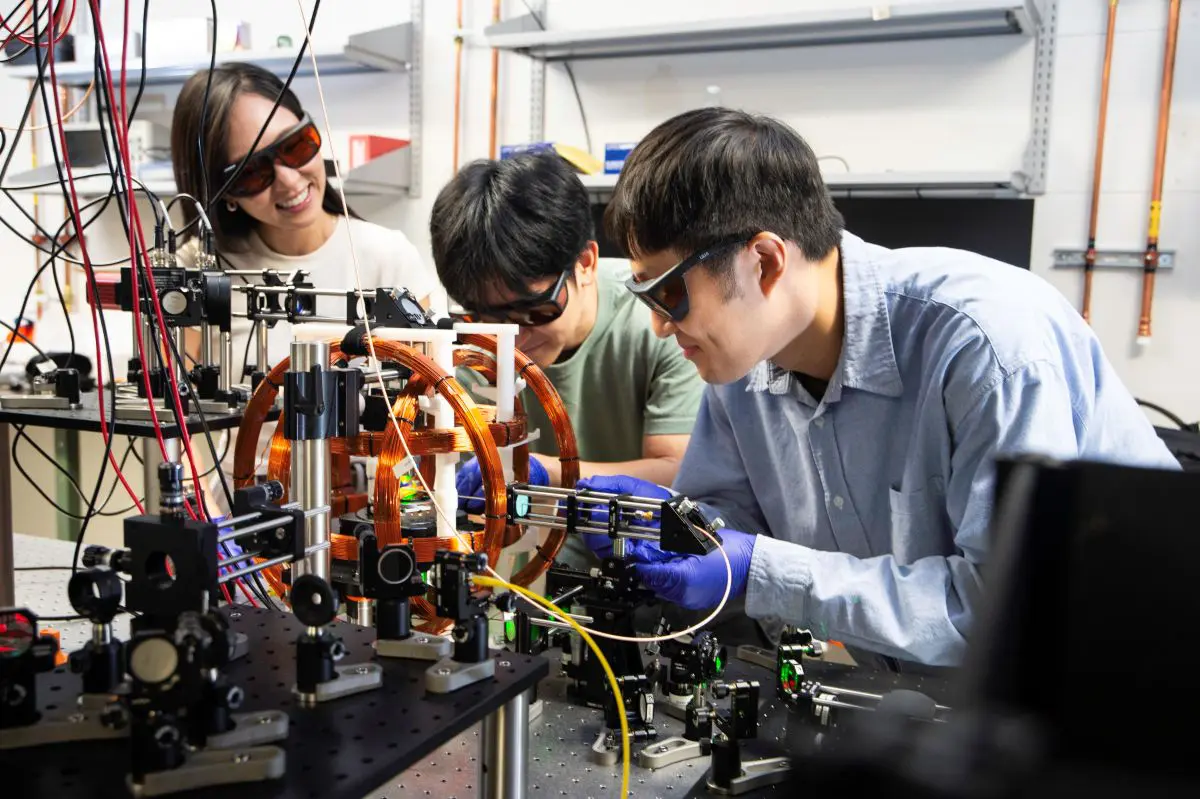
University of Florida electrical and computer engineering professor Laura Kim received a three-year NIH award to develop a diamond-based quantum sensing platform for earlier endometriosis detection. Affecting one in 10 women, endometriosis currently lacks reliable noninvasive diagnostic tools, a gap Kim’s team aims to address by detecting microscopic magnetic signals. Kim said, outlining the project’s goal to engineer quantum sensors capable of measuring previously inaccessible biological signatures. Amira Quevedo, M.D., believes Kim’s technology has the potential to fundamentally change how endometriosis is diagnosed.
NIH Trailblazer Award Funds Quantum Endometriosis Detection
The University of Florida team is developing a diamond-based quantum sensing platform to detect endometriosis, a condition affecting one in ten women, by identifying microscopic magnetic signals indicative of the disease’s early stages. This approach differs from current diagnostic methods, which often rely on invasive surgical procedures for confirmation. Jon Dobson, Ph.
D., of biomedical engineering, emphasized the importance of diverse perspectives in tackling complex problems, stating, “Investigators with different backgrounds often bring unique perspectives to bear on a problem, especially when it is outside their specific area of expertise.” The three-year NIH award facilitates this interdisciplinary effort, uniting expertise from electrical and computer engineering, biomedical engineering, and the College of Medicine’s department of obstetrics and gynecology.
The project centers on translating the sensitivity of quantum systems into a functional tool for biological tissue analysis, a challenge Laura Kim, Ph.D., intends to address by applying her quantum-sensor technology to biomedical research for the first time.
Kim explained the project’s overarching goal, stating, “Our goal is to engineer quantum sensors that can measure biological signatures that have previously been extremely difficult to access. By bringing that capability to endometriosis, we hope to enable earlier and more quantitative detection while establishing a broadly applicable platform for magnetic and metabolic diagnostics in women’s health.” Amira Quevedo, M.D., will lead clinical research, evaluating the technology using tissue samples from endometriosis patients and coordinating recruitment through the UF Health Center of Excellence in Complex Endometriosis Care. Quevedo anticipates a shift in diagnostic practices, potentially moving away from hospital-based surgical diagnoses toward a simplified, clinic-based approach integrated into routine gynecological visits.
Bringing together diverse strengths allows the team to formulate solutions unattainable through individual efforts, as Quevedo noted. Patients constantly ask why their endometriosis was not detected sooner, and this research addresses that critical gap in women’s healthcare. Kim’s exceptionally innovative technology with Dr. Quevedo’s passion for helping her patients and knowledge of endometriosis.” Kim believes this combination is essential for ensuring the technology addresses a real-world need.
“As engineers, we develop powerful technologies, but we need to understand the problems that matter to the people who will ultimately use them,” Kim said. “That is what makes this collaboration so exciting. We are bringing together quantum sensing, biomedical engineering and clinical expertise to solve a problem none of us could address alone.”
Endometriosis is a debilitating inflammatory disease that affects one in 10 women and currently lacks reliable noninvasive diagnostic tools.
Laura Kim, Ph

See today’s quantum computing news on Quantum Zeitgeist for the latest breakthroughs in qubits, hardware, algorithms, and industry deals.