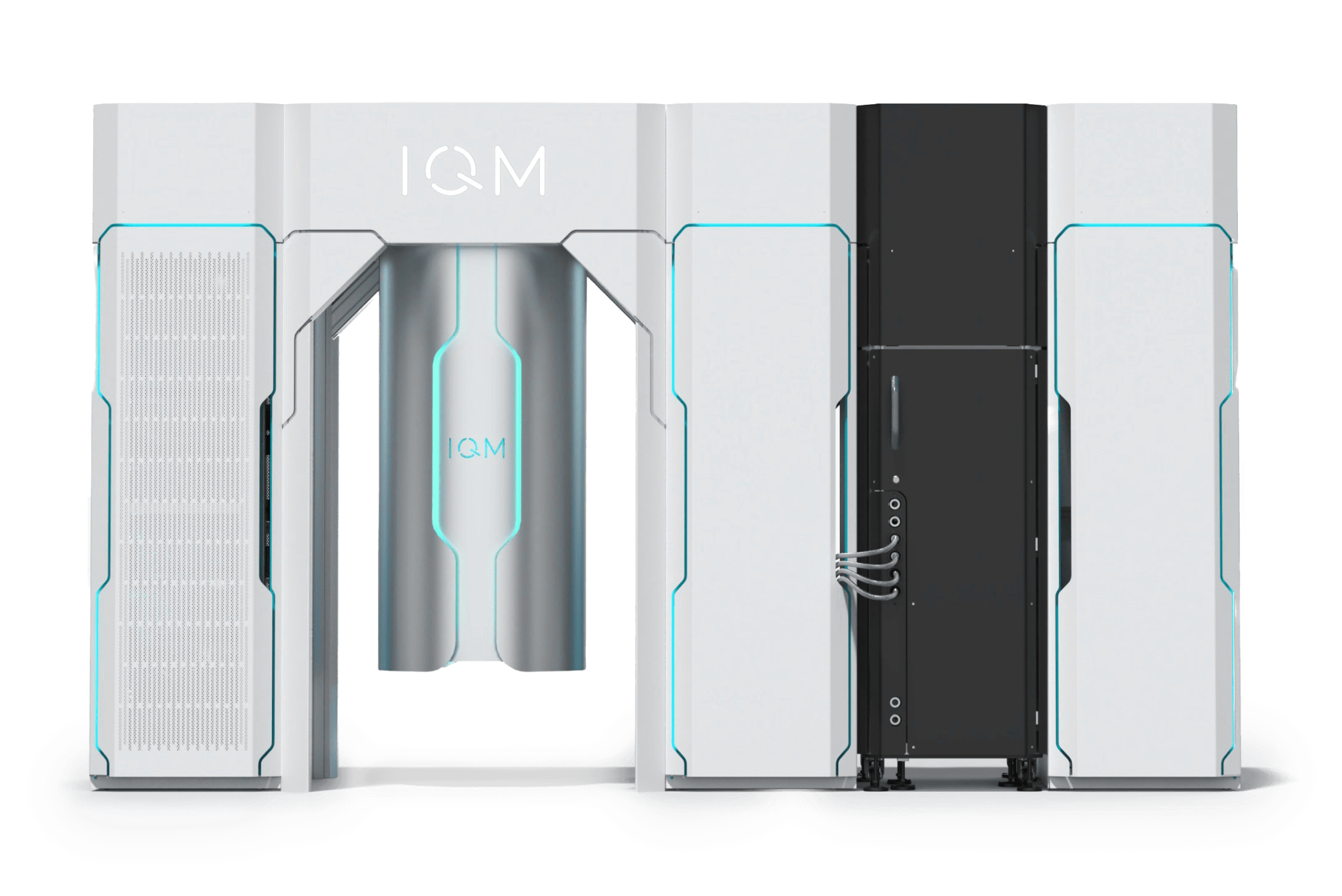
IQM Quantum Computers will deliver its 54-qubit IQM Spark system to the Eldorado Research Institute in Campinas, Brazil, marking the first installation of a quantum computer in South America. Located 100 kilometers northwest of São Paulo, the system will be installed in the first quarter of 2027, providing direct access to quantum hardware for researchers and industry partners.
“Brazil has the talent, the research base and the ambition to build a real quantum ecosystem,” says Jan Goetz, CEO and Co-founder of IQM, “What’s been missing is direct access to real quantum computers.” The agreement also grants Brazilian teams remote access to IQM’s existing cloud-based 54-qubit system in Europe, enabling immediate application development.
IQM’s Spark System Expands Quantum Access in South America
Eldorado Research Institute will integrate IQM’s 54-qubit cloud system in Europe alongside the locally installed hardware, creating a tiered access model for Brazilian researchers and accelerating application development. This dual approach allows teams to begin work immediately on existing European infrastructure while preparing for the arrival of the dedicated system in Campinas, São Paulo. The institute’s location within Brazil’s largest technology cluster, adjacent to the Unicamp campus, positions the quantum computer for rapid collaboration with startups and established industries spanning automotive, energy, and finance.
This strategic placement is designed to foster a broad ecosystem of quantum expertise and application development. IQM builds superconducting quantum computers, and its recent launch of the 150-qubit Halocene line demonstrates a commitment to scaling and error correction, the company says. This expansion includes partnerships with Hewlett Packard Enterprise for hybrid platforms, OrangeQS for chip testing, and NVIDIA and Zurich Instruments for real-time error correction systems.
The deployment at Eldorado is part of a broader initiative to explore quantum algorithms, develop expertise in both quantum hardware and software, and investigate hybrid computing architectures. José Bertuzzo, Superintendent of the Eldorado Research Institute, emphasized the transformative potential of this investment, stating, “Quantum computing has the potential to transform how we address some of the most complex technological and industrial challenges.” By bringing this infrastructure to Eldorado, combined with access to more advanced quantum computing capabilities, we are not only investing in technology, but also in people, knowledge, and an ecosystem that will prepare Brazil to actively participate in the quantum future. The IQM Spark system, scheduled for installation in the first quarter of 2027, will provide a platform for these efforts, enabling hands-on experience and accelerating the development of quantum solutions tailored to regional challenges.
Brazil has the talent, the research base and the ambition to build a real quantum ecosystem. What’s been missing is direct access to real quantum computers. Eldorado owning this system means Brazilian researchers, engineers and industry partners can start building real capability today, not waiting years to catch up.
Jan Goetz, CEO and Co-founder of IQM Quantum Computers



See today’s quantum computing news on Quantum Zeitgeist for the latest breakthroughs in qubits, hardware, algorithms, and industry deals.