Pasqal (Nasdaq: PSQL) and King Abdulaziz City for Science and Technology (KACST) formalized a research collaboration on August 31, 2026, prioritizing quantum cryptography as the initial focus of a multi-year program. The agreement, announced during World Quantum Day in Riyadh, pairs Pasqal’s neutral-atom technology with KACST’s research infrastructure to develop quantum-safe cryptographic solutions for the Saudi market. “This agreement reflects KACST’s commitment to building strategic research partnerships with global technology leaders,” said Talal Al-Sedairy, Senior Vice President for R&D at KACST, explaining that the partnership aims to elevate the Kingdom’s research capacity in quantum technologies.
KACST and Pasqal Advance Quantum Cryptography Research in Saudi Arabia
Saudi Arabia is actively strengthening its defenses against future cyber threats through a new research partnership focused on quantum cryptography. This work, initiated during World Quantum Day in Riyadh, directly addresses the increasing need for security in a world where current encryption methods are increasingly vulnerable to powerful quantum computers. The initial phase of the multi-year research program will concentrate specifically on quantum cryptography, utilizing Pasqal’s neutral-atom quantum processing technology alongside KACST’s existing national research infrastructure, with the goal of moving beyond theoretical research and delivering tangible cryptographic defenses.
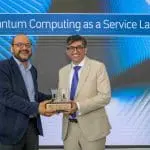
Pasqal’s presence in Saudi Arabia extends beyond this collaboration; in May, the company inaugurated Saudi Arabia’s first quantum computer alongside Aramco, and the Middle East’s first commercial Quantum Computing-as-a-Service platform. This progress will be further showcased at LEAP 2026 in Riyadh, where Pasqal CEO Dr. Wasiq Bokhari will deliver a keynote address detailing the transition of quantum computing toward industrial applications.
“Saudi Arabia is demonstrating ambition to build the technologies and capabilities that will shape the next generation of computing,” said Dr. Bokhari. “For Pasqal, our work in the Kingdom goes beyond deploying quantum hardware; we want to build long-term partnerships, develop practical applications and contribute to an ecosystem capable of turning quantum computing into real industrial and economic value.” Prof. Manahel Thabet, Director of the National Center for Quantum Technologies, emphasized the importance of this partnership in establishing a robust national quantum ecosystem, stating, “This partnership represents an important step toward building an advanced national quantum ecosystem.”
This initiative builds on Saudi Arabia’s growing investment in quantum technologies and demonstrates Pasqal’s continued deep engagement and commitment to the Kingdom regarding the development and utilization of quantum technologies.
Wasiq Bokhari, CEO of Pasqal



See today’s quantum computing news on Quantum Zeitgeist for the latest breakthroughs in qubits, hardware, algorithms, and industry deals.