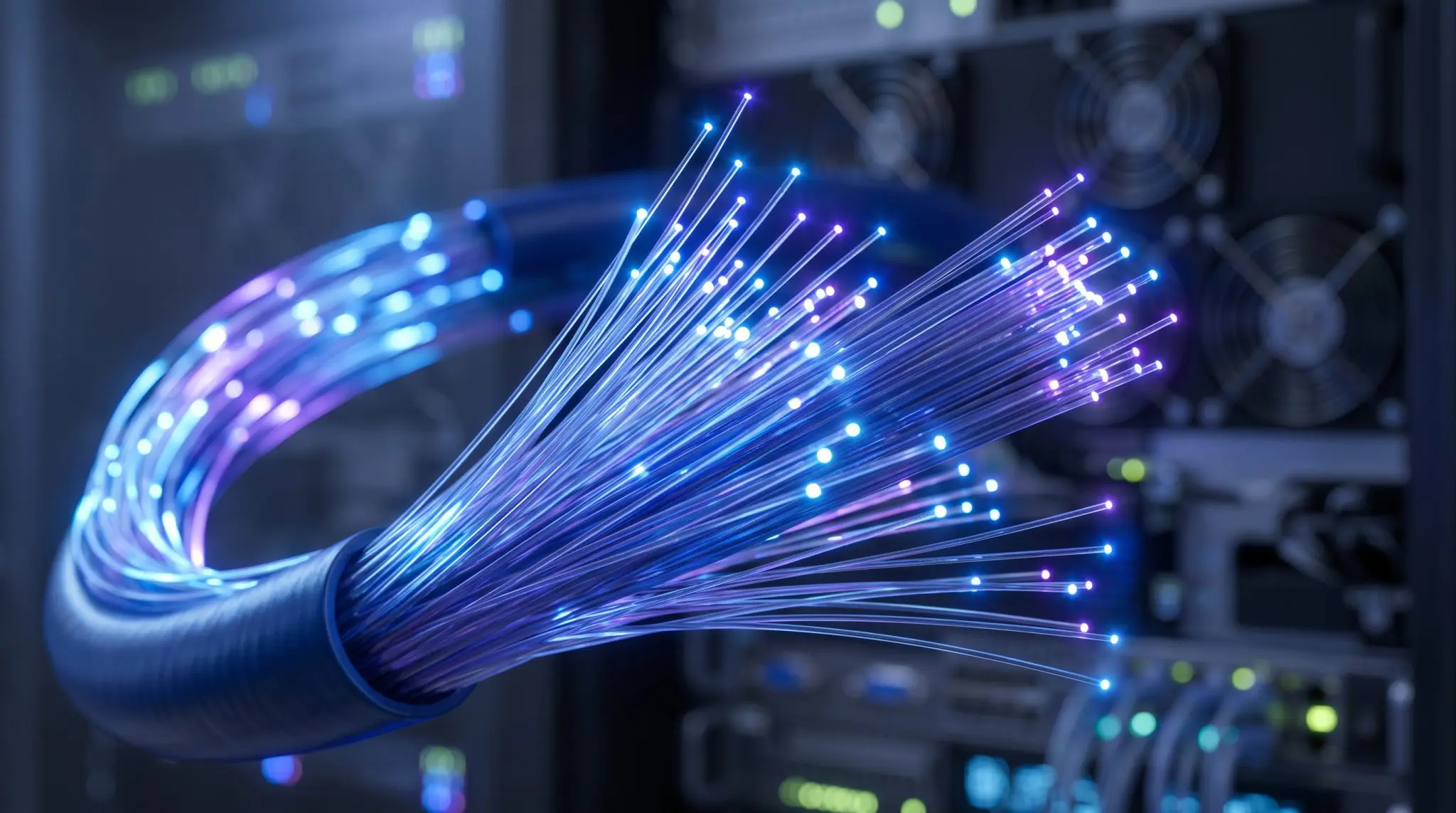
Qunnect is the first company to anchor multiple quantum networks, currently distributing quantum information across telecom fiber in New York, Bozeman, Berlin, and Albuquerque. The Defense Advanced Research Projects Agency is now funding Qunnect to further develop its Carina rack, described as the “first commercially available turnkey quantum entanglement distribution system.” Carina addresses the fragility of quantum entanglement over existing telecommunications networks by continuously correcting for signal corruption.
“We made an early commitment to designing instruments that operate on the same infrastructure the world already uses,” said Noel Goddard, CEO of Qunnect, as the company expands its reach to two continents through partnerships with Montana State University and Deutsche Telekom.
Carina System Anchors Quantum Networks Across Telecom Fiber
Qunnect currently anchors quantum networks spanning two continents, a feat previously unattained in the field of quantum entanglement distribution. This deployment is not limited to laboratory settings; Qunnect is actively utilizing established networks, a strategic decision highlighted by CEO Noel Goddard, who said that real-world fiber optic cables introduce environmental noise that degrades quantum signals, unlike classical data which is more resilient.
Carina functions by actively counteracting polarization drift, essentially acting as a corrective measure for entangled photons. This proactive correction is vital for maintaining the fragile quantum states necessary for secure communication and advanced computation.
Qunnect’s advancement is gaining recognition as essential infrastructure, with Chief Science Officer Mehdi Namazzi stating, “Global governments increasingly view quantum networking as critical infrastructure.” The company’s head start in deploying functional networks, rather than remaining in the theoretical stage, positions it as a key partner for organizations seeking to build future communications systems. Namazzi added that Qunnect is differentiated by its five years of practical validation through city deployments and industry partnerships, and the importance of reliability for transitioning from demonstrations to useful applications.
For the past five years, we focused on making quantum networking practical, and we’ve validated it through deployments in cities, and through partnerships with private industry and growing support from government agencies.



See today’s quantum computing news on Quantum Zeitgeist for the latest breakthroughs in qubits, hardware, algorithms, and industry deals.