Florida Atlantic University will become the first in the nation to house Rydberg-atom quantum radio-frequency sensing and communications equipment alongside an optical atomic clock, thanks to a $3 million investment from the U.S. Department of Labor’s Strengthening Institutions Program. The funding, awarded to FAU’s Center for Connected Autonomy and Artificial Intelligence, will establish quantum education and research training pathways spanning early college through graduate studies in sensing and communications.
This initiative complements the university’s planned installation of a D-Wave Advantage2 quantum computer, expanding research and workforce development across multiple facets of quantum technology. “Developing the workforce to support quantum technologies is just as important as investing in the technology itself,” said Stella Batalama, Ph. D., dean of the College of Engineering and Computer Science.
CA-AI Secures Funding for Quantum Sensing and Communications Pathways
This pairing makes FAU the first university nationally to house both technologies, expanding its capacity for hands-on quantum research and training. The specialized equipment will directly support a new program designed to immerse upper-level undergraduate and graduate students in the practical applications of quantum sensing and communications, with an anticipated reach of over 100 students during the five-year grant period.
The $3 million award from the U.S. “By giving students direct access to emerging quantum sensing and communications technologies, we can connect fundamental concepts with hands-on engineering experience and prepare them to contribute to this rapidly developing field,” Pados explained.
Stella Batalama, Ph.D., emphasized the importance of workforce development alongside technological investment. The program aims to create a comprehensive quantum education pipeline, beginning at the early-college level and progressing through advanced graduate studies, ensuring students acquire increasingly sophisticated skills relevant to the future quantum workforce.
Quantum technologies are changing the way we approach sensing, communications and information processing, and preparing the workforce requires more than introducing students to quantum theory.
Dimitris Pados, Ph
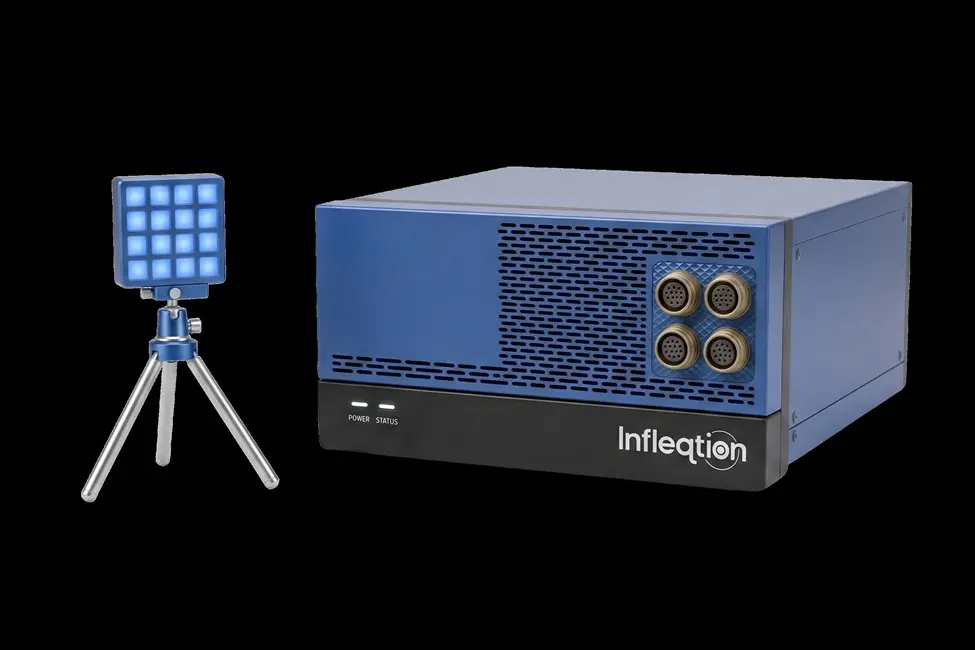
Infleqtion Technology Enables Hands-on Quantum Research at FAU
Florida Atlantic University will integrate Infleqtion’s Colorado Quantum Innovation Center’s Rydberg-atom quantum radio-frequency (RF) sensing equipment and a Tiqker optical atomic clock into its curriculum, establishing the first university nationally to offer hands-on training with this specific technology combination. This pairing allows for direct student engagement with quantum sensing and communications tools, moving beyond theoretical study into practical application.
Infleqtion, a leader in neutral-atom quantum solutions, views this collaboration as essential for cultivating a skilled quantum workforce, stating, “As a quantum technology company building a quantum-ready workforce is essential, and that starts with getting the latest technology in the hands of future quantum innovators,” according to CEO Matthew Kinsella. The five-year initiative is led by George Sklivanitis, Ph. D., and Dimitris Pados, Ph. D. This structure aims to progressively build student expertise in quantum technologies, ensuring a pipeline of talent prepared for emerging roles.
The program will focus on developing a new course specifically in quantum sensing and communications, providing students with direct experience using the newly acquired equipment. Researchers anticipate the program will reach over 100 students, equipping them with skills applicable to real-world quantum applications. “By bringing our quantum RF sensing technology and Tiqker optical atomic clock to Florida Atlantic University, we’re giving students the opportunity to develop practical skills and explore new applications in quantum sensing,” stated.
The initiative, titled “Building Florida’s Quantum-Ready Workforce: Quantum-Skilled Pathways in Integrated Sensing and Communications from Early College to Graduate Studies,” emphasises the program’s focus on translating quantum concepts into tangible engineering capabilities. “Our goal is to connect quantum education directly to the engineering skills students will need as these technologies move from research environments into practical applications,” said Sklivanitis.
Developing the workforce to support quantum technologies is just as important as investing in the technology itself.
Stella Batalama, Ph

See today’s quantum computing news on Quantum Zeitgeist for the latest breakthroughs in qubits, hardware, algorithms, and industry deals.