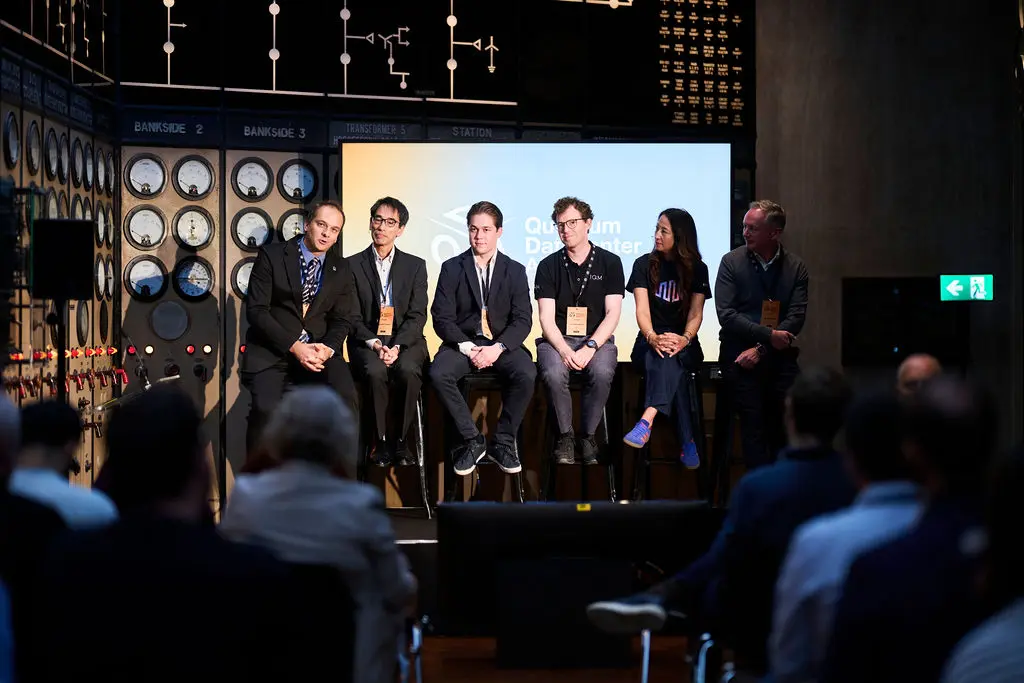
Leaders from NVIDIA, IBM, and Equinix were among those gathered at the second international Quantum Datacenter Alliance (QDA) Forum to address a significant change in quantum computing development. The forum highlighted that system level architecture, control, error correction, interoperability and power consumption are now considered as critical as the qubits themselves, signaling a move toward practical deployment. “As quantum computing moves towards large-scale utility, collaboration becomes critical,” said Dr. Carmen Palacios-Berraquero, Founder and CEO of Nu Quantum, emphasizing a growing need for open approaches to building scalable and reliable quantum infrastructure.
QDA Forum Highlights Data Center Integration for Quantum Utility
Equinix reports that hybrid infrastructure is already enabling commercial applications of quantum computing, with companies currently using the technology for high-precision molecular modelling and financial trading optimization. This assessment, shared at the second Quantum Datacenter Alliance Forum, signals a shift from purely theoretical quantum research towards practical, revenue-generating deployments. The forum, held at Battersea Power Station in London, focused on integrating emerging quantum hardware into existing data center infrastructure, a challenge now considered paramount to the technology’s advancement.
Attendees emphasized that achieving fault-tolerant quantum computing requires equal attention to system-level concerns as to qubit development. This represents a significant change in focus for the field, acknowledging that hardware alone is insufficient for building a scalable and useful quantum computer.
Ben Bloom, Founder and CEO at Atom Computing, explained that constructing a utility-scale quantum computer necessitates the combination of multiple components and collaborative efforts, not solely the innovation of a single company or technology. The QDA Forum also highlighted the growing need for open collaboration to address the shared challenges of building quantum computing as a reliable and efficient infrastructure.
Dr. Dame Wendy Hall, speaking on lessons learned from classical computing and artificial intelligence, highlighted the importance of proactive communication, noting that explaining quantum computing to non-technical audiences presents a unique challenge, requiring careful messaging to preempt potential public concerns. Hannah Boardman, Director responsible for AI, Quantum, Engineering Biology, Semiconductors, Robotics for Science, Innovation & Technology, added that initiatives like the QDA demonstrate the power of cross-disciplinary collaboration in identifying and achieving common goals. The QDA plans to continue encouraging these connections through future forums, working groups and events, driving the industry towards commercially viable quantum computing solutions.
Over the past two days, Nu Quantum and its partners have been exploring how to integrate quantum systems into a data center.
Ben Bloom, Founder and CEO at Atom Computing
Source: https://www.qda.global/



See today’s quantum computing news on Quantum Zeitgeist for the latest breakthroughs in qubits, hardware, algorithms, and industry deals.