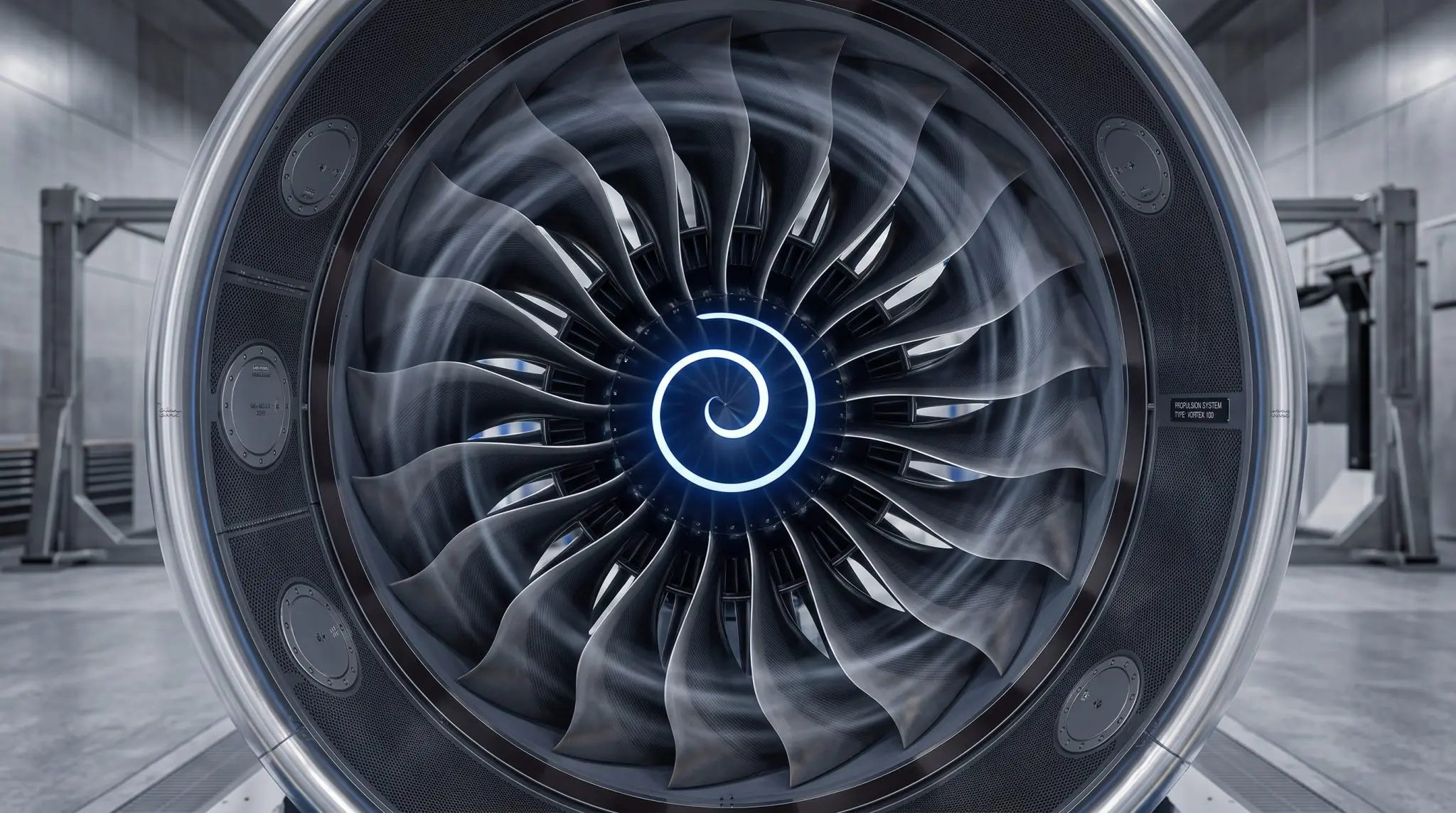
Rolls-Royce is using quantum computing to improve the design of its gas turbines, collaborating with Quantinuum, Riverlane, and EPCC, the UK National Supercomputing Centre at the University of Edinburgh. The project will explore how fault-tolerant quantum computers can work with traditional supercomputers to overcome limitations in complex fluid dynamics simulations, a critical challenge in modern industrial design. Quantinuum will contribute its Helios platform, which the company describes as the world’s most accurate commercial quantum computer, while Riverlane focuses on quantum error correction and EPCC integrates these resources into existing supercomputing workflows. “The computing demands of simulating complex fluid dynamics are a major challenge in industrial design, and exploring how quantum computing can complement today’s supercomputers is an important step toward addressing them,” said Dr. Rajeeb Hazra, President and CEO of Quantinuum.
Quantinuum’s Helios Platform Advances Fluid Dynamics Simulations
Quantinuum’s Helios platform is a key component in a new collaboration aiming to accelerate complex fluid dynamics simulations, a feat crucial for advancements in gas turbine design and other industrial applications. This isn’t about replacing supercomputers; instead, the focus is on a hybrid approach, leveraging the strengths of both technologies to overcome current computational bottlenecks. Rolls-Royce’s involvement centers on applying this technology to the intricate challenges of gas turbine design, where detailed fluid dynamics modeling demands immense processing power. The partners intend to test computational building blocks for quantum algorithms on Quantinuum’s Helios, assessing their scalability on future systems like Sol and Apollo.
This work builds upon previous collaboration between Rolls-Royce, Riverlane, and EPCC, which established a foundation for understanding the algorithmic and data requirements for tackling fluid dynamic simulations with commercial quantum computers. Riverlane contributes specialized expertise in quantum error correction, a critical element for realizing large, fault-tolerant quantum computers applicable to industrial problems. “This agreement marks the start of an exciting new phase where we work together to explore implementations on Quantinuum’s hardware.” Their work, combined with EPCC’s proficiency in high-performance computing and hybrid workflow integration, aims to create a seamless connection between quantum and classical resources.
EPCC’s role includes compiling and executing algorithm components across both systems, handling the necessary pre- and post-processing steps. Oliver Thomson Brown, Quantum Group lead at EPCC, said, “Quantum computing will be most valuable when users can exploit it within a wider computing environment, and EPCC has been working towards hybrid HPC and quantum since my appointment as a Chancellor’s Fellow in 2023.” This multi-year project directly supports the UK’s quantum computing mission, which aims to develop teraQuOp systems capable of one trillion error-free operations.
We have been developing and improving algorithms for hybrid fault-tolerant applications for almost five years with Riverlane, using classical emulators in collaboration with EPCC. This agreement marks the start of an exciting new phase where we work together to explore their implementations on Quantinuum’s hardware.
Leigh Lapworth, Fellow in Computational Science at Rolls-Royce



See today’s quantum computing news on Quantum Zeitgeist for the latest breakthroughs in qubits, hardware, algorithms, and industry deals.