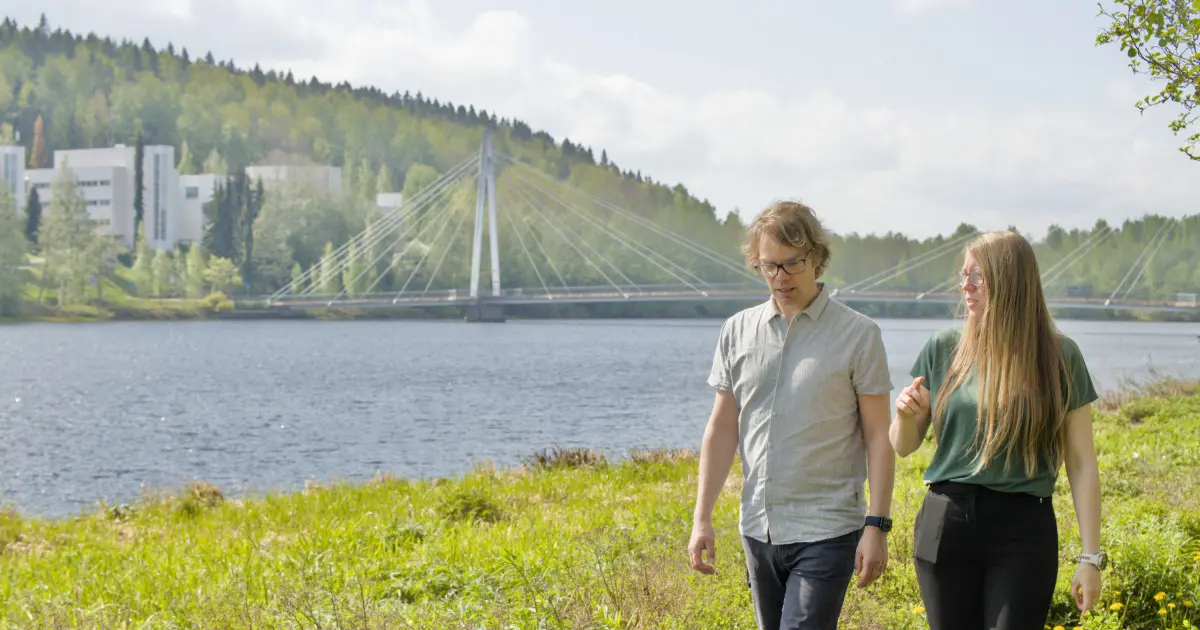
Ramona Wolf, an assistant professor at the University of Innsbruck, detailed a surprising application of quantum physics at the Lakeside Quantum Dialogue event: using position verification to combat increasingly sophisticated AI-based scams. The event is hosted by Professor Teiko Heinosaari of the Faculty of Information Technology and fosters in-depth discussion and networking among quantum researchers; Wolf noted that “At large conferences, there are often so many people that it’s hard to find time for meaningful conversations. Here, I’ve had time to talk with almost all the participants.” This focus on collaboration occurred alongside Lake Jyväsjärvi, creating what Wolf described as a relaxed and inspiring atmosphere for addressing challenges like the threat quantum computers pose to current encryption methods and the need for new verification technologies.
Lakeside Quantum Dialogue Event Fosters Global Research
Wolf’s work centers on a quantum-based method called position verification to reliably confirm a person’s location, offering a potential solution to the growing threat of deepfake audio and video used in scams. She illustrated this with a recent case where a bank employee nearly fell victim to a fraudulent transfer request delivered via an AI-generated video conference. “If the supervisor’s actual location could have been reliably verified, the scam would never have happened,” Wolf explained, highlighting the practical implications of her research. Wolf, attending for the first time, noted the opportunity to engage with nearly all participants at the Lakeside Quantum Dialogue, which fostered in-depth discussion and networking. This connection was further enhanced by the event’s location alongside Lake Jyväsjärvi, fostering a more relaxed atmosphere conducive to idea exchange.
Wolf emphasized the urgency of updating security systems in anticipation of powerful quantum computers capable of breaking current encryption methods, noting that even storing encrypted data could be a risk if decrypted in the future. Both Wolf and Heinosaari underscored the continuous development of quantum theory, anticipating further discoveries that will improve lives.
Ramona Wolf Details Quantum Cryptography’s Future
The field of quantum cryptography is increasingly focused on proactive security measures, anticipating threats beyond traditional data encryption, as evidenced by discussions at the Lakeside Quantum Dialogue event hosted by Professor Teiko Heinosaari of the Faculty of Information Technology. “Although powerful quantum computers are still years away, security systems are already under pressure to be updated,” she stated, emphasizing the urgency of preparing for a post-quantum world where stored data could be decrypted retroactively. Wolf illustrated the potential of position verification with a recent case involving a bank employee targeted by an AI-generated deepfake during a video conference. Both Wolf and Heinosaari underscored that advancements in understanding nature inevitably lead to applications that improve lives, anticipating further discoveries in quantum research.
“Although powerful quantum computers are still years away, security systems are already under pressure to be updated. Encryption won’t be broken overnight, but malicious actors can just store the communication sent today, wait until they have a quantum computer, and then decrypt it”, Wolf explains.
Quantum Space-Time Protocol Verifies Location, Thwarts AI Scams
This approach, termed position verification, establishes a quantum space-time-based protocol capable of reliably confirming a person’s location in a way that cannot be falsified, addressing a critical vulnerability exposed by advancements in artificial intelligence. Wolf detailed a recent incident where a bank employee nearly transferred funds to a fraudulent account during a Zoom meeting, highlighting the growing threat of AI-generated deepfakes used for deception. Wolf underscored that while fully functional quantum computers remain years away, the urgency to update security systems is immediate, as malicious actors can already store encrypted data for future decryption. According to Wolf, the long-term value of data necessitates proactive protection, and the development of quantum computers is already significantly boosting cryptography research; she and Heinosaari both anticipate continued progress and discoveries within the field building on a century of quantum theory.
“We’ve seen throughout history that as we better understand how to describe nature, it also gives rise to new applications that improve our lives”, they note.



See today’s quantum computing news on Quantum Zeitgeist for the latest breakthroughs in qubits, hardware, algorithms, and industry deals.