Q.security launched with $11.5 million in seed funding led by Castle Island Ventures, attracting investment from New York Life Ventures and Coinbase Ventures. The company’s post-quantum cryptography platform aims to shield enterprise data by mapping business priorities to cryptographic inventory and using a conversational AI interface to guide remediation. “Enterprises know they need to prepare for Q-Day, but understanding the associated risks is just the first step,” said Matt Walsh, general partner at Castle Island Ventures, highlighting the current threat of “harvest-now, decrypt-later” data collection.
$11.5M Seed Funds Q.security’s Post-Quantum Cryptography Platform
Q.security’s platform distinguishes itself through a conversational AI interface designed for investigation and remediation of cryptographic vulnerabilities, a departure from manual approaches. This interface integrates with existing enterprise cybersecurity tools, automating fixes through AI-guided runbooks and ticketing systems, and verifying their effectiveness with continuous monitoring of cryptographic posture. The company reports this approach aims to reduce risk faster and at a lower cost for organizations facing the transition to cryptography.
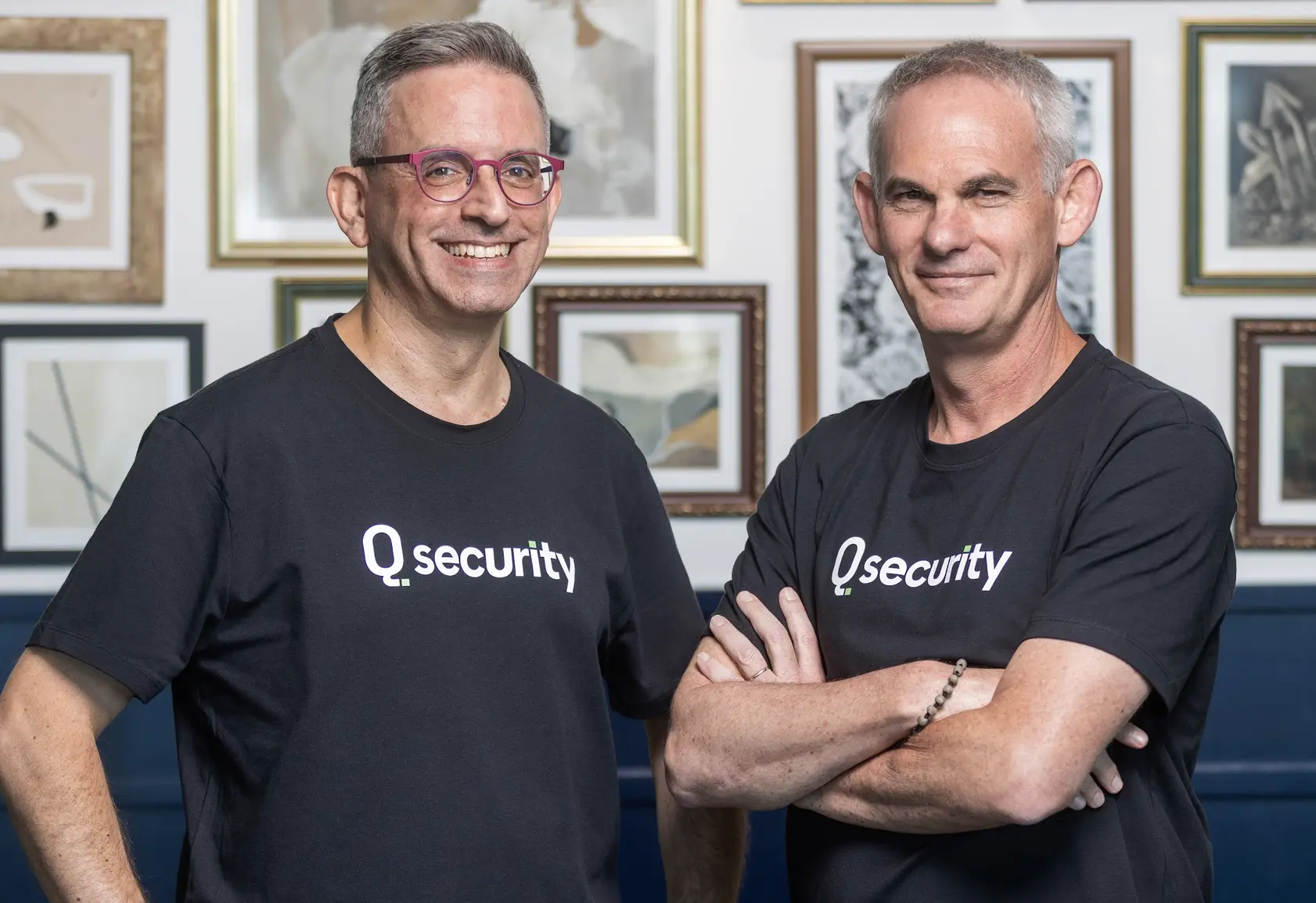
This financial backing will support Q.security as it expands its reach to enterprise customers through both direct sales and channel partnerships, according to the company. Additional investors in the round include Fin Capital, SBI US Gateway Fund and Ground Up Ventures, demonstrating broad interest in the emerging field of solutions. Peer and co-founder Nir Steinherz, previously VP of Strategy and Product at Unbound Security and a leader at Citi’s Security Innovation Center, established Q.security to provide enterprises with sustained control over cryptographic evolution, ensuring it aligns with business needs, the company says.
Steinherz explained, “Nir and I founded Q.security to give enterprises the confidence to evolve the cryptography their business depends on. Our PQC remediation platform gives them lasting control over that evolution, so cryptography keeps pace with the business instead of holding it back.” The platform directly addresses the growing threat of “harvest-now, decrypt-later” data collection, where malicious actors store encrypted data with the intention of decrypting it once quantum computers become powerful enough to break current encryption standards.
With harvest-now, decrypt-later data collection already under way, the challenge is determining how to prioritize migration across business and technology environments. Q.security’s solution maps business structure and applications, connecting business priorities with cryptographic inventory to create a coordinated remediation program, a strategy Walsh believes positions the company well to address a significant emerging challenge in enterprise cybersecurity.
Nir and I founded Q.security to give enterprises the confidence to evolve the cryptography their business depends on.
Peer




See today’s quantum computing news on Quantum Zeitgeist for the latest breakthroughs in qubits, hardware, algorithms, and industry deals.