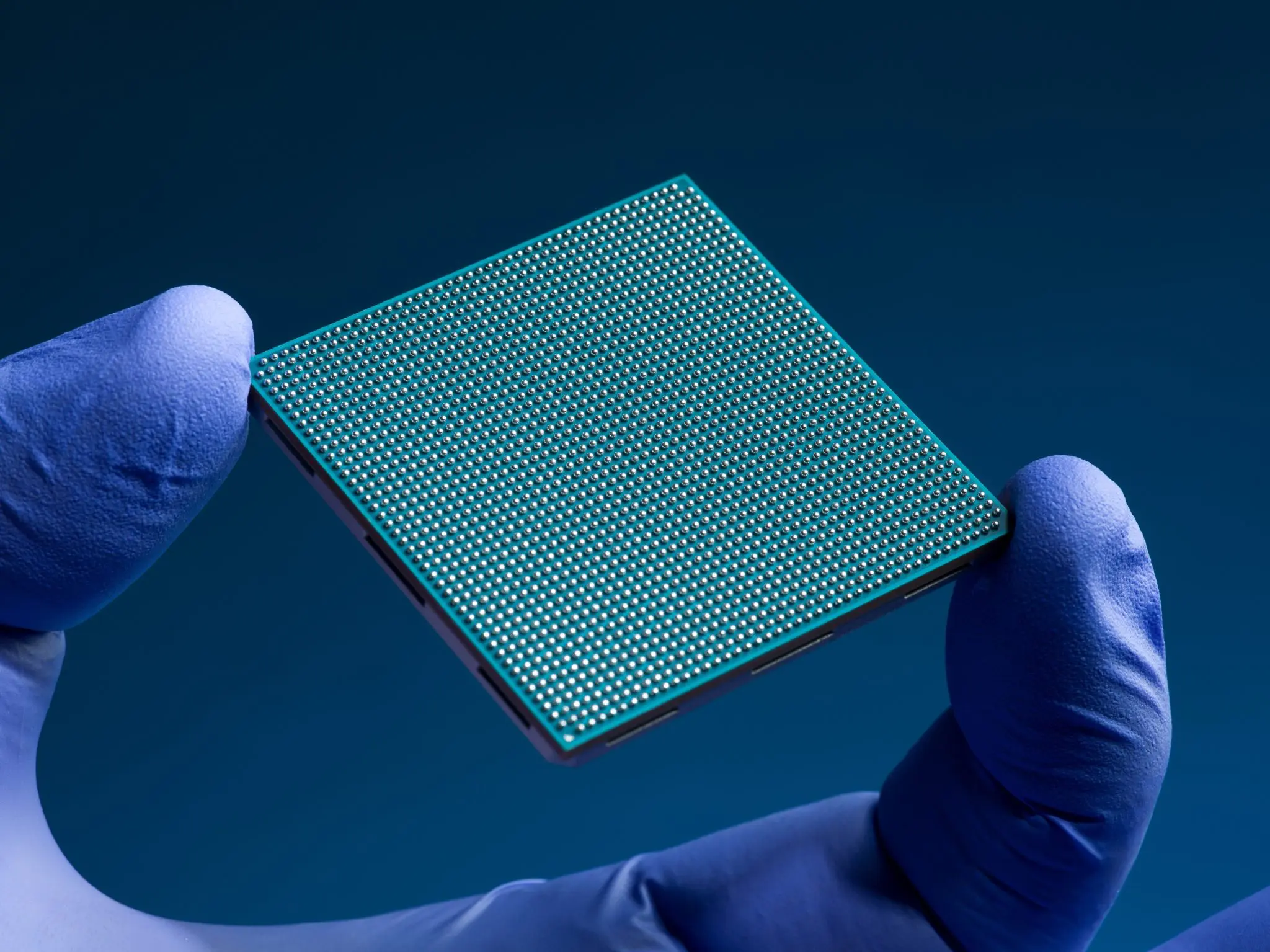
A processor small enough to fit in the palm of a hand is expected to increase computing speed for future deep space missions by a factor of 100, according to NASA’s Jet Propulsion Laboratory. This processor aims to improve spacecraft capabilities, enabling more autonomous operations and accelerating scientific discovery through faster data analysis. Developed through a commercial partnership, the chip is designed to withstand the harsh realities of space, including extreme temperatures and radiation, while providing computational power comparable to a full system-on-a-chip. “Building on the legacy of previous space processors, this new multicore system is fault-tolerant, flexible, and high-performing,” said Eugene Schwanbeck, program element manager in NASA’s Game Changing Development program at the agency’s Langley Research Center. Testing, which began in February, indicates the processor is already operating at a performance level 500 times greater than current radiation-hardened chips.
Radiation-Hardened Processor Enables 100x Capacity for Spaceflight
The demands of space exploration are driving increases in processor capability; NASA’s High Performance Spaceflight Computing project has yielded a processor delivering up to 100 times the computational capacity of current spaceflight computers, a feat achieved through a commercial partnership with Microchip Technology Inc. This advancement enables a new era of autonomous spacecraft capable of independent decision-making in environments where real-time human intervention is impossible. Critical to the processor’s function is its radiation-hardening, a necessity for surviving the barrage of high-energy particles encountered in deep space that can otherwise induce errors and force spacecraft into safe mode.
Rigorous testing at the Jet Propulsion Laboratory, initiated in February, replicates these harsh conditions, including radiation, thermal extremes, and physical shocks, while simultaneously evaluating performance. “We are putting these new chips through extensive testing by carrying out radiation, thermal, and shock tests while also evaluating their performance through a rigorous functional test campaign,” said Jim Butler, High Performance Space Computing project manager at JPL. Early results are promising, with the processor already demonstrating performance 500 times greater than existing radiation-hardened chips. The implications extend beyond NASA missions, as Microchip intends to adapt the technology for terrestrial applications in aviation and automotive manufacturing, demonstrating the potential for cross-sector innovation.
JPL Testing Replicates Extreme Deep Space Environments
NASA’s Jet Propulsion Laboratory is subjecting a new generation of space processors to a battery of tests designed to simulate the brutal conditions of deep space travel, pushing the limits of resilience for onboard computing. Rigorous testing, which began in February, replicates the challenges of the space environment, including electromagnetic radiation and extreme temperature fluctuations that can cripple sensitive electronics. High-energy particles pose a significant threat, potentially forcing spacecraft into “safe mode” until operators can intervene, a scenario the team is actively working to prevent. In a gesture acknowledging the history of computing, the team marked the start of testing by sending an email with the subject line referencing a test message from the early days of computer development.
We are putting these new chips through the wringer by carrying out radiation, thermal, and shock tests while also evaluating their performance through a rigorous functional test campaign.
Jim Butler, High Performance Space Computing project manager at JPL
Microchip Technology Partnership Delivers System-on-a-Chip
Microchip Technology Inc. is central to NASA’s efforts to enhance spacecraft computing power through a collaborative project with the Jet Propulsion Laboratory. This partnership has yielded a system-on-a-chip processor designed to operate autonomously in the harsh environment of deep space, representing a shift towards commercial partnerships in the development of space technology. Unlike consumer electronics, this processor is engineered for extreme durability, capable of withstanding years of exposure to radiation, thermal extremes, and physical shock. This leap in processing capability, projected to be a 100-fold increase, will enable spacecraft to analyze data more rapidly, respond to unforeseen circumstances without human intervention, and transmit larger volumes of scientific data back to Earth.
NASA’s commitment to advancing spaceflight computing is a triumph of technical achievement and collaboration.
Eugene Schwanbeck, program element manager in NASA’s Game Changing Development program at the agency’s Langley Research Center
Autonomous Spacecraft Applications Accelerate Scientific Discovery
The demand for increasingly intelligent spacecraft is driving increases in onboard computing power, promising a new era of autonomous operations and accelerated scientific return. This advancement stems from a commercial partnership between NASA’s Jet Propulsion Laboratory and Microchip Technology Inc., a collaboration that suggests broader applicability of the technology beyond dedicated NASA missions. The implications extend to diverse applications, from analyzing vast datasets returned from deep space missions to supporting future crewed expeditions to the Moon and Mars. The project’s symbolic email, mirroring early computer testing, signals a new chapter in space exploration and data analysis capabilities.
Building on the legacy of previous space processors, this new multicore system is fault-tolerant, flexible, and extremely high-performing.
Eugene Schwanbeck, program element manager in NASA’s Game Changing Development program at the agency’s Langley Research Center
Source: https://www.jpl.nasa.gov/news/hello-universe-nasas-next-gen-space-processor-undergoes-testing/