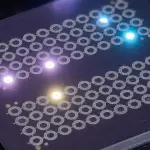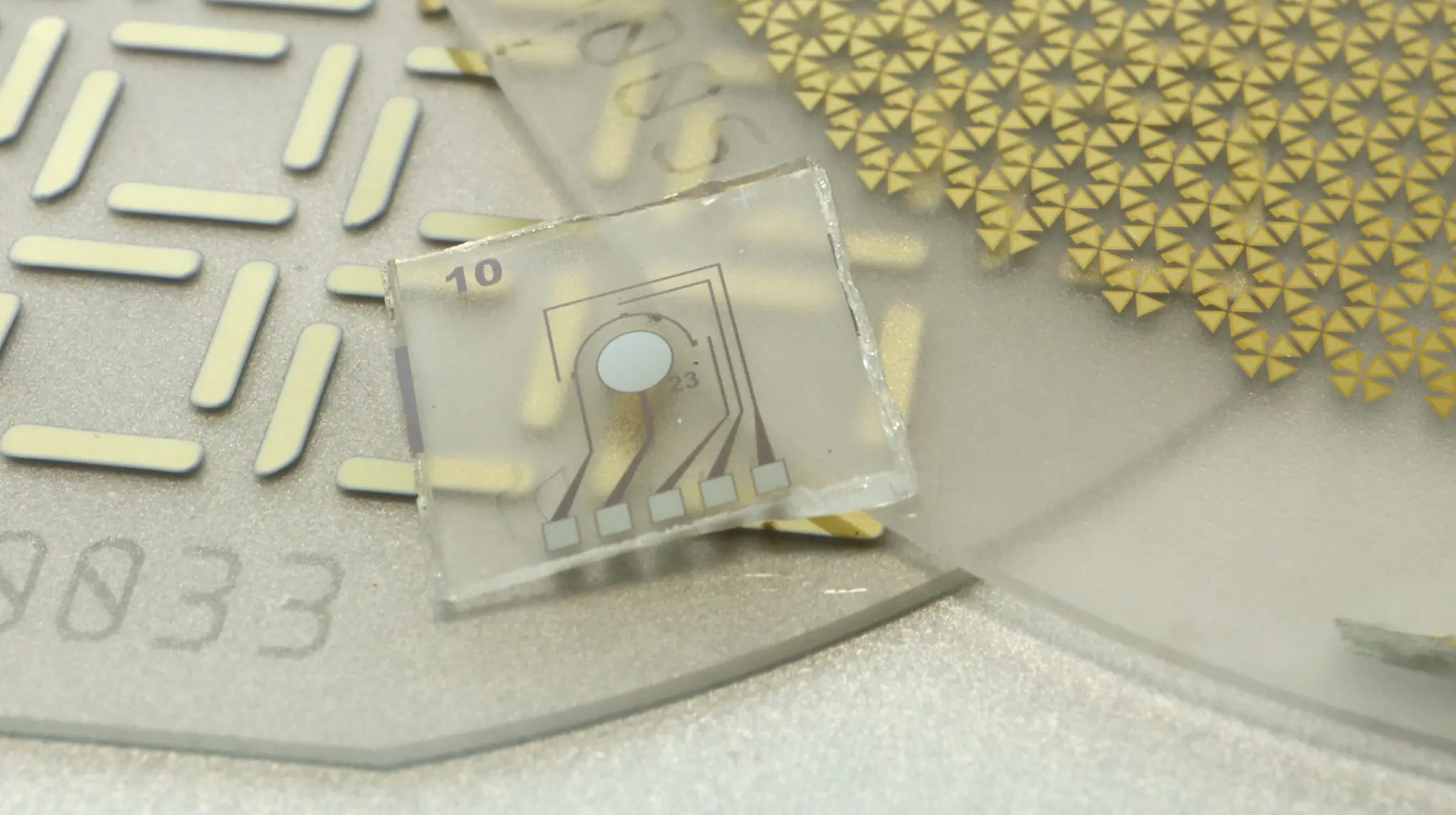
A partnership between companies in the United Kingdom and Australia is targeting a crucial, often overlooked aspect of quantum computing: reliably detecting qubits. Paragraf, specializing in commercially scalable graphene electronics, is combining its platform with the quantum device expertise of Archer Materials to develop new graphene-based structures for qubit detection. This collaboration is a focused effort to manufacture quantum computing components using graphene, a material lauded for its exceptional electronic mobility and low noise. “Our graphene technology was developed to be manufacturable at scale while maintaining the exceptional properties of graphene,” said Simon Thomas, CEO of Paragraf, explaining that working with Archer Materials will extend the capabilities of their platform into advanced quantum detection and computing concepts. The companies anticipate a pipeline of technologies addressing quantum computing, sensing, and advanced electronics.
Graphene Electronics Enable Scalable Quantum Device Platforms
Paragraf’s commercially scalable graphene platform is integrated with Archer Materials’ quantum device expertise, marking a significant shift toward manufacturing quantum computing components with this two-dimensional material. While many efforts focus on creating qubits, this collaboration specifically targets the crucial, yet less publicized, area of qubit detection. The combined effort leverages Paragraf’s ability to deposit high-quality graphene directly onto semiconductor wafers, a process designed for industrial scalability, alongside Archer Materials’ specialized knowledge of quantum materials and device physics. This partnership aims to rapidly translate research into functional prototypes, addressing key challenges in quantum computing and information processing through novel device architectures. Central to this program is research into graphene structures designed to interface with emerging quantum systems, capitalizing on the material’s exceptional electronic mobility, low noise characteristics, and minimal thickness, attributes that position it as a strong candidate for future quantum measurement and control technologies.
Archer Materials contributes expertise in sensing application development, allowing for iterative refinement of graphene-based structures tailored to specific end-use requirements, a process intended to accelerate the development timeline. The collaboration, spanning the United Kingdom and Australia, anticipates a pipeline of technologies extending beyond quantum computing into advanced sensing and electronics; Simon Ruffell, CEO of Archer Materials, affirmed that “Graphene offers unique advantages for both quantum devices and sensors, and Paragraf’s platform provides an exceptional foundation to realize those advantages in real-world devices.” This strategic alignment of complementary capabilities suggests a focused effort to move graphene-based quantum technologies research toward viable commercial applications.
Archer Materials’ Quantum Sensing and Device Expertise
Paragraf’s ability to fabricate graphene on semiconductor wafers at commercial scales underpinned a focused effort with Archer Materials to move beyond fundamental research and into device prototyping. This wasn’t simply materials exploration, but a deliberate strategy to manufacture quantum components using graphene, a relatively uncommon approach within the field. Central to this collaborative program was research into graphene device architectures specifically designed for qubit detection, a crucial but often overshadowed area of quantum computing development where most attention remained fixed on qubit creation itself. Graphene’s inherent properties, exceptional electronic mobility, minimal noise, and its single-atom thickness, made it a promising candidate for advanced quantum measurement and control technologies, offering potential advantages over traditional materials. The partnership leveraged Archer Materials’ expertise in device physics, quantum materials, and sensing applications to rapidly refine graphene structures for specific uses, accelerating the transition from theoretical concepts to tangible device prototypes. This focus on scalable manufacturing distinguishes the collaboration, suggesting an intent to address practical limitations hindering wider quantum technology adoption.
“Our graphene technology was developed to be manufacturable at scale while maintaining the exceptional properties of graphene.”
Simon Thomas, CEO of Paragraf
Source: https://www.archerx.com.au/

See today’s quantum computing news on Quantum Zeitgeist for the latest breakthroughs in qubits, hardware, algorithms, and industry deals.