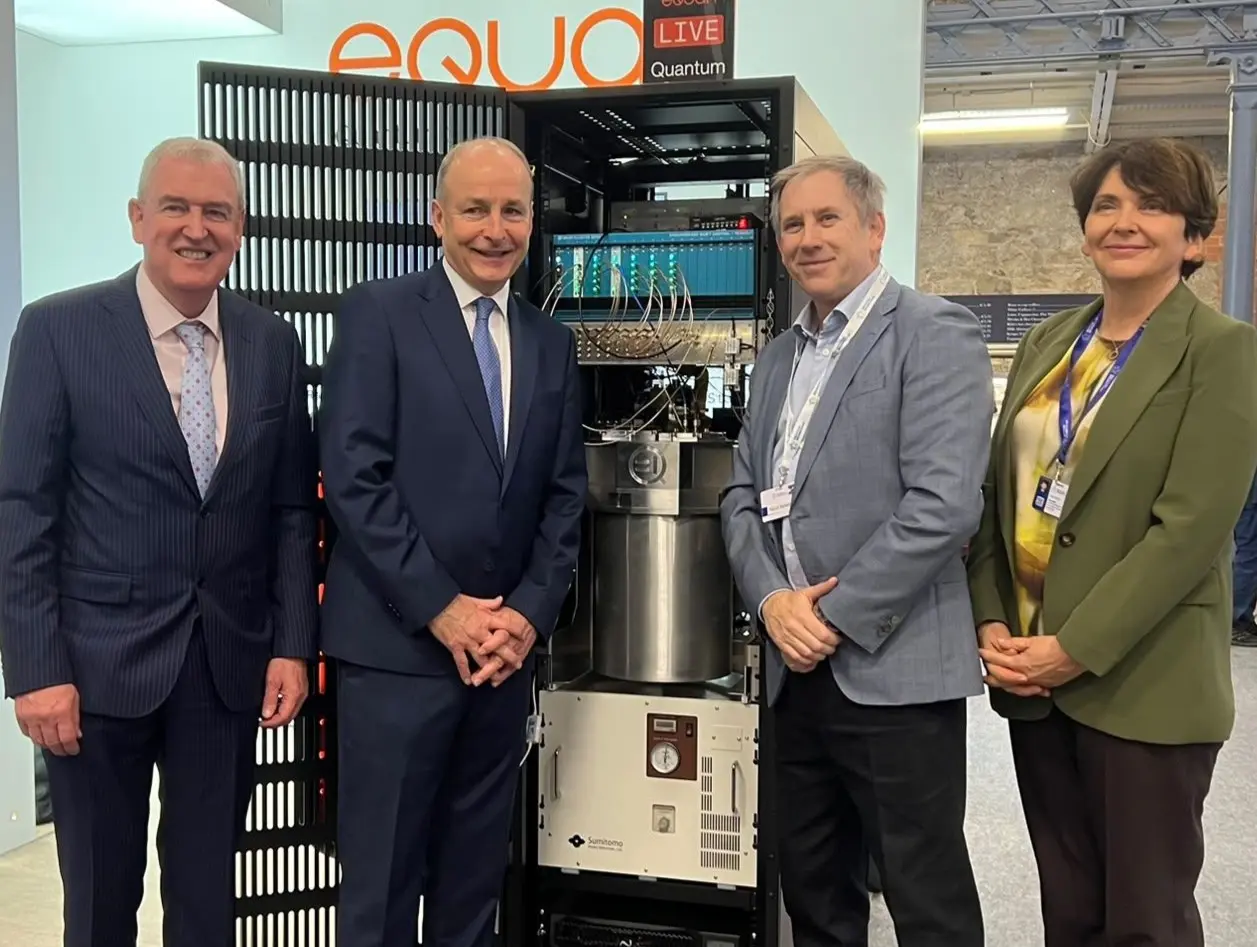
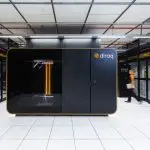
Equal1 demonstrated its RacQ quantum computer to An Taoiseach Micheál Martin at the International AI Summit 2026 in Dublin, showing a system designed to run within standard data centers, the company says. Unlike many quantum computers requiring specialized facilities, the RacQ uses 1.6 kilowatts of power, integrating quantum processing with existing CPU and GPU infrastructure. Built on silicon-spin qubit technology, the rack-mounted system aims to extend current computing architectures as demand from artificial intelligence increases. Equal1 states this approach focuses on making quantum computing a practical extension of existing infrastructure.
RacQ Deploys Quantum Computing in Standard Data Centers
The demonstration included meetings with Minister for Enterprise, Tourism and Employment Peter Burke, Minister for Further and Higher Education, Research, Innovation and Science James Lawless and Orla Feely, showing the company’s progress in commercially viable quantum technology. RacQ’s design incorporates a closed-cycle cryogenic system alongside classical CPU and GPU capabilities, which differentiates it from quantum systems requiring highly specialized environments. The system’s 1.6 kilowatt power consumption allows for operation within standard data center infrastructure, a departure from the extensive cooling and power demands of many existing quantum computers, according to Equal1.
During the panel discussion “The AI Backbone: Power, Cloud and Critical Infrastructure,” featuring Equal1 CEO Jason Lynch, participants explored the increasing demands on AI infrastructure and the potential role of quantum computing. The company believes this approach positions Ireland as a hub for quantum computing innovation and highlights the opportunity for quantum technology to become integral to future AI and high-performance computing infrastructure.

See today’s quantum computing news on Quantum Zeitgeist for the latest breakthroughs in qubits, hardware, algorithms, and industry deals.