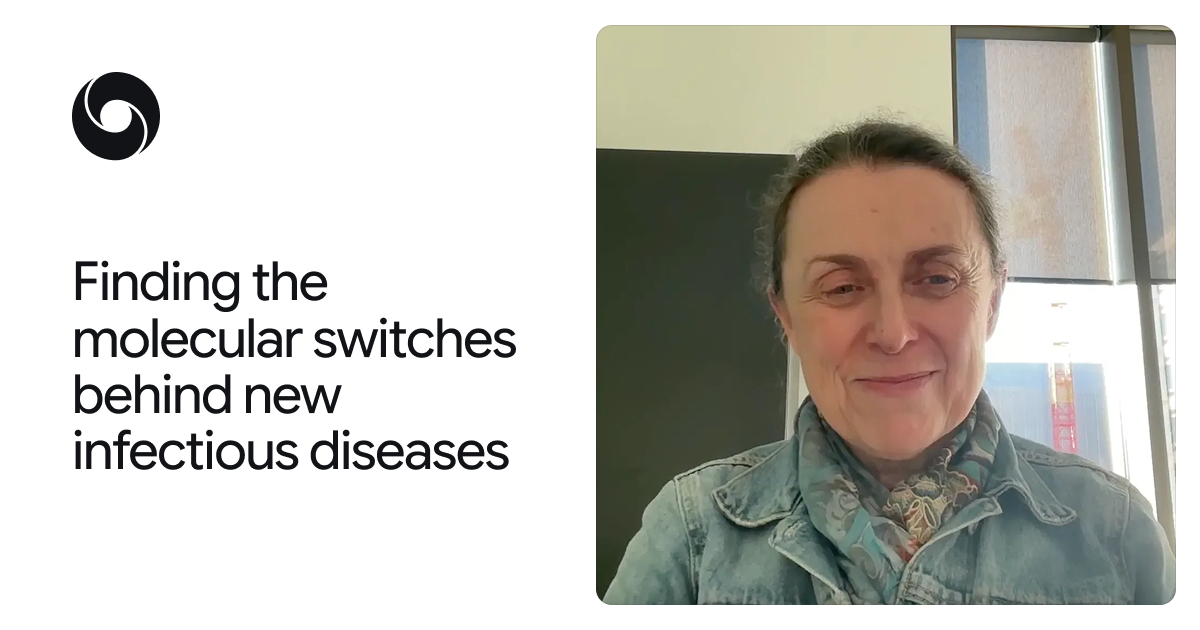
Professor Clare Bryant at the University of Cambridge is accelerating infectious disease research, potentially reducing the time to pinpoint critical research targets from two to three years to six months using the Co-Scientist tool. Testing the platform, Bryant’s lab fed in research proposals and received ranked hypotheses, including unexpected ones that sparked new lines of inquiry. While reviewing the tool’s output during a train journey to Brussels, Bryant experienced a key insight when Co-Scientist prioritized a protein previously outside her focus, yet connected to pathways already under investigation. “Co-Scientist pulls together the entire published literature and online resources to help me ask better questions,” says Bryant, adding that the tool “catches what I’d miss in a data-rich field and helps me prioritise.” The lab is now leveraging confidential, unpublished data within the platform to refine hypotheses down to specific amino acids for experimentation.
Co-Scientist Identifies Molecular Switches in Cross-Species Pathogens
Professor Clare Bryant of the University of Cambridge is using the Co-Scientist artificial intelligence platform to accelerate the identification of molecular mechanisms driving cross-species pathogen transmission and subsequent severe disease in humans. The majority of emerging infectious diseases originate in animals, including examples like Ebola, HIV, influenza, and COVID-19, and understanding how these pathogens adapt to new hosts is critical for preventative measures. Initial testing involved inputting a grant proposal summary focused on avian and human influenza, prompting Co-Scientist to generate ranked hypotheses, some previously considered by Bryant’s team and others entirely novel. This prioritization led Bryant to immediately begin incorporating unpublished data into the Co-Scientist platform, maintaining confidentiality while refining research directions. This iterative process rapidly narrowed the focus from candidate proteins to specific amino acid mutations, a level of precision that traditionally requires two to three years of work.
Now, Bryant anticipates completing this phase within six months, depending on the accuracy of the AI-driven targets. Her team is currently constructing cell lines with these identified mutations to validate the hypotheses generated by Co-Scientist, representing a significant shift in how labs manage data and accelerate discovery in infectious disease research. This approach not only speeds up the process but also allows for a more focused and efficient allocation of resources, potentially changing the field’s response to future outbreaks.
Refined Hypotheses Accelerate Amino Acid Target Identification
The pursuit of therapeutic targets in emerging infectious diseases traditionally demands extensive laboratory work, often requiring two to three years to pinpoint the crucial molecular mechanisms at play. This acceleration stems from a refined, iterative hypothesis-building process facilitated by the AI tool, which allows researchers to move quickly from broad candidate proteins to specific amino acids for experimental validation. Bryant’s team augmented the platform with unpublished data, maintaining confidentiality within the Co-Scientist environment, demonstrating a new standard for secure data handling during research. This unexpected connection sparked a new line of inquiry, illustrating the platform’s capacity to surface relevant, non-obvious relationships within complex biological data. Currently, Bryant’s lab is constructing cell lines incorporating the identified amino acid mutations to rigorously test these refined hypotheses, a process made significantly more efficient by Co-Scientist’s prioritization of key areas for experimentation. The success of this accelerated approach hinges on the accuracy of the targets identified, but the initial results suggest a change in the speed and focus of infectious disease research.
Co-Scientist pulls together the entire published literature and online resources to help me ask better questions. It catches what I’d miss in a data-rich field and helps me prioritise, so my team can focus on answering the right questions in the lab.
Professor Clare Bryant, University of Cambridge
See today’s quantum computing news on Quantum Zeitgeist for the latest breakthroughs in qubits, hardware, algorithms, and industry deals.