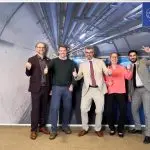
The National Physical Laboratory (NPL) is expanding its quantum research efforts through a new Memorandum of Understanding with Sungkyunkwan University (SKKU) in South Korea. This partnership is already demonstrated by the appointment of NPL’s Manoj Stanley as a Visiting Professor within SKKU’s Department of Quantum Engineering, the company says. This agreement builds on existing joint research, device access and staff exchanges, and will explore using SKKU’s foundry facilities to support quantum device research and development both in the UK and internationally.
“The UK and South Korea are both making significant investments in quantum technologies, and international collaboration will be essential to accelerating progress,” says Emma Haynes, Quantum and Timing Managing Director at NPL. Through the MoU, the organizations will collaborate on projects spanning quantum materials to superconducting hardware platforms.
NPL and SKKU Expand Quantum Tech Collaboration via New MoU
This appointment demonstrates an active exchange of personnel already underway, moving beyond future plans to a present reality of collaborative expertise. The MoU builds on this established foundation, which previously included joint research initiatives, comparative studies and reciprocal secondments of both staff and students. SKKU’s foundry facilities will be a key resource in this expanded partnership, offering access to quantum devices for research and development not only within the UK, but also for international collaborators.
This access is intended to support a broader range of quantum research activities, extending the benefits beyond the two directly involved organizations. A joint steering committee will also be established to identify new collaborative opportunities, share best practices and monitor the progress of ongoing projects, ensuring a focused and efficient approach to research.
Ji-Beom Yoo, President of Sungkyunkwan University, echoed this sentiment, expressing delight in the partnership with NPL, a recognized leader in measurement science, and emphasizing SKKU’s commitment to advancing quantum science and technology through their Department of Quantum Engineering. He anticipates that combining SKKU’s quantum engineering strengths with NPL’s precision measurement expertise will support impactful research and strengthen scientific ties between the two nations. This collaboration is supported by projects funded through the UK Government’s International Science Partnerships Fund.
The UK and South Korea are both making significant investments in quantum technologies, and international collaboration will be essential to accelerating progress.
Emma Haynes, Quantum and Timing Managing Director, NPL


See today’s quantum computing news on Quantum Zeitgeist for the latest breakthroughs in qubits, hardware, algorithms, and industry deals.