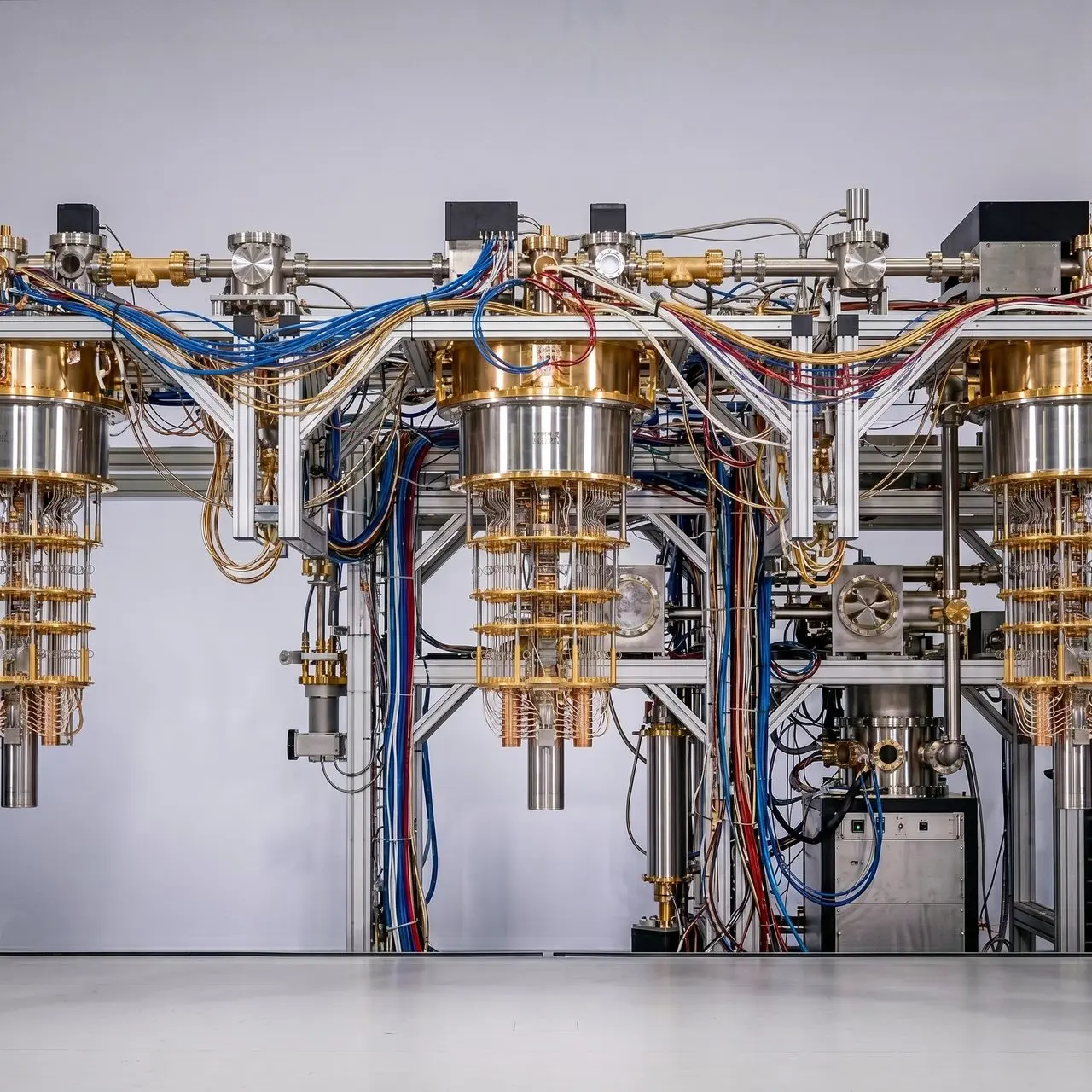
The venture capital firm’s strategy reflects a maturing field increasingly focused on practical application, identifying the “Magic State Factory” as a critical bottleneck, not error correction itself. According to the firm’s analysis, to tackle problems beyond the reach of classical computers, quantum computing must first create machines that are affordable and genuinely useful. This shift in focus also acknowledges the growing overlap between quantum computing and artificial intelligence, suggesting a co-evolutionary relationship between the two fields.
Scaling Beyond Qubit Count for Practical Quantum Machines
The critical limitation to scaling quantum computers is not error correction itself, but the Magic State Factory. This component, responsible for creating the complex initial states needed for quantum algorithms, currently presents a significant bottleneck as systems grow in complexity. The relationship extends beyond simply using quantum computers to accelerate AI tasks. It encompasses a reciprocal exchange of ideas and techniques.
Defining the quantum race means error correction now dictates the pace of development, demanding innovative software solutions alongside hardware improvements. Determining the actual number of qubits required for practical applications is also proving important, as the focus shifts from simply building larger machines to creating systems tailored to specific problems.




See today’s quantum computing news on Quantum Zeitgeist for the latest breakthroughs in qubits, hardware, algorithms, and industry deals.