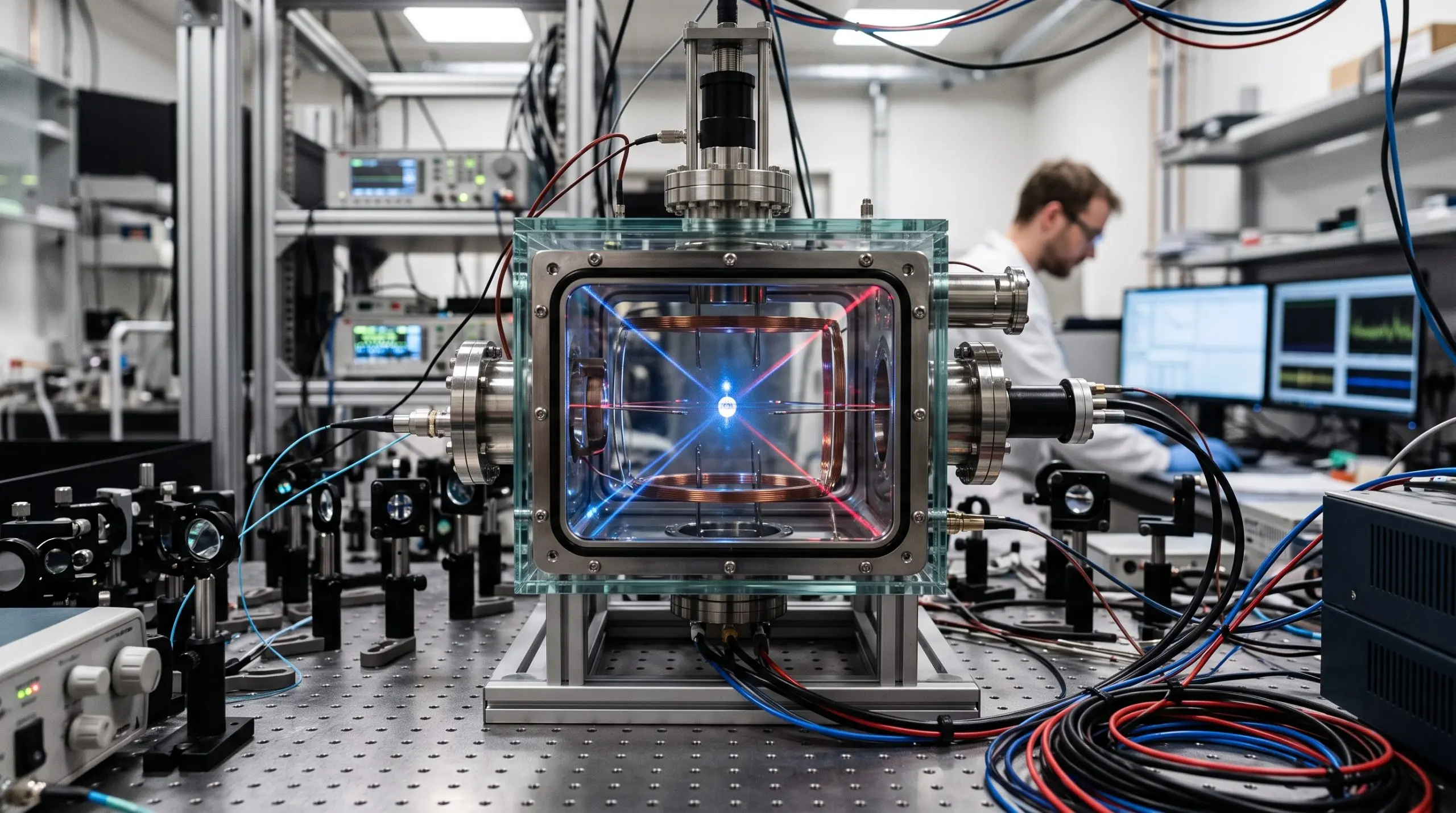
The National Physical Laboratory (NPL) will receive £230,000 from the Government Office for Technology Transfer to advance the development of its scalable ion-trap quantum computing technology. This funding will specifically address manufacturing challenges limiting the large-scale production of ion trap devices, a critical step towards building interconnected quantum systems.
According to Cyrus Larijani, Programme Director for NPL Quantum, “The next challenge is ensuring that breakthrough technologies can be manufactured and deployed at scale,” and this project aims to support a resilient UK quantum supply chain. The work builds on previous success, including the installation of an NPL microtrap system at the National Quantum Computing Centre.
GOTT Funding Accelerates NPL’s Ion Microtrap Development
This funding directly addresses bottlenecks in the final stages of fabrication, specifically through the implementation of a batch packaging process designed to improve production yield. NPL’s microfabricated ion microtraps confine and manipulate ions, providing a scalable architecture for both quantum computing and quantum networking applications, and this new project aims to move those designs closer to commercial viability, the company says. These devices are already operational in research settings, including a system installed at the National Quantum Computing Centre following a previous GOTT Knowledge Asset Grant Fund project.
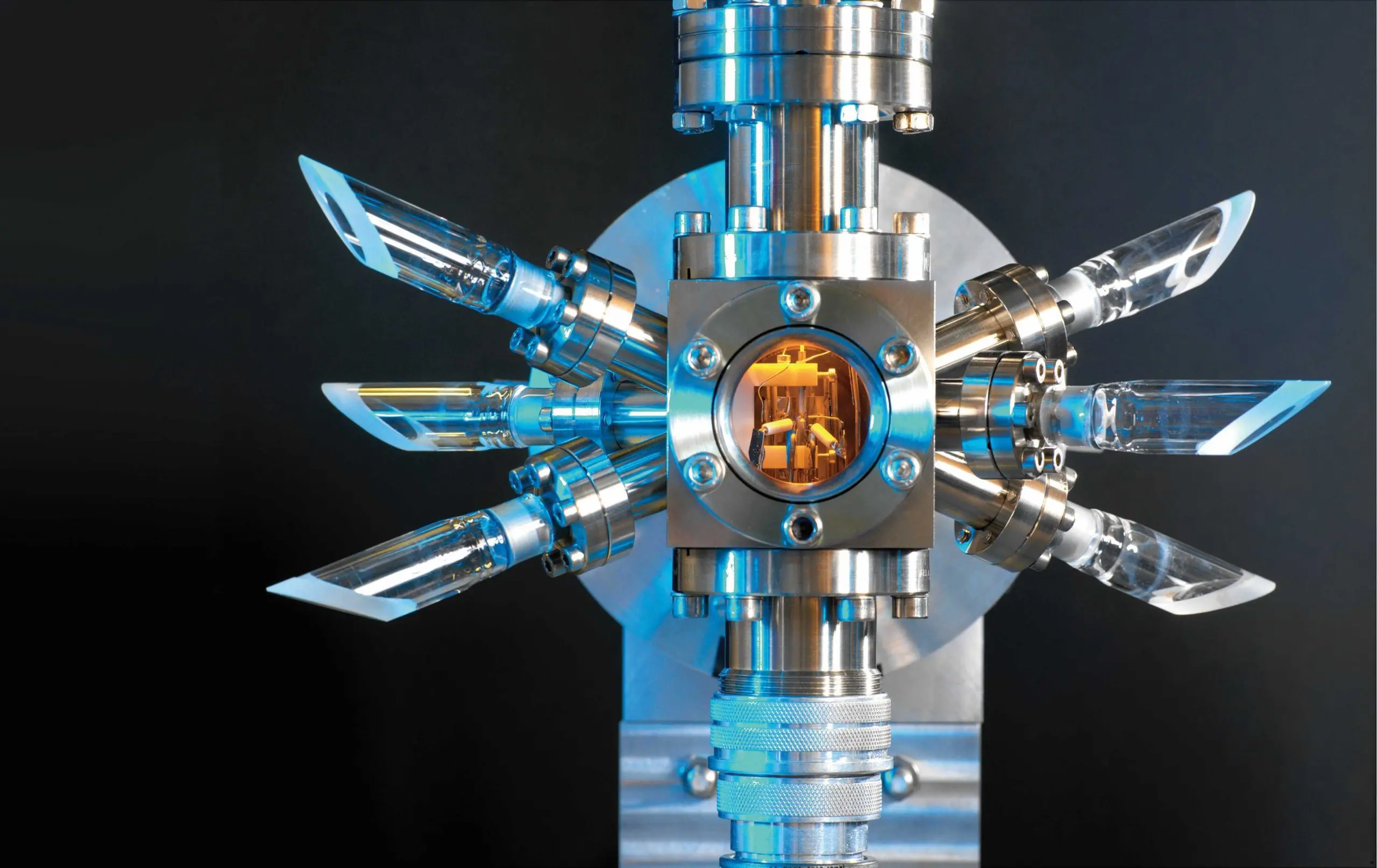
That installation marked the first demonstration of trapped-ion technology within NQCC laboratories, establishing a foundation for further development and integration. Improving manufacturing efficiency is essential for transitioning from single-node quantum computers to networked architectures capable of tackling real-world problems.
NPL’s work is intended to bridge the gap between laboratory research and deployable quantum computing systems, supporting collaboration across industry, academia and the broader UK quantum ecosystem. GOTT’s involvement emphasises its mission to translate public sector knowledge assets into economic and societal impact, recognizing the strategic importance of a resilient UK quantum supply chain, according to NPL. This program enables the development of quantum products with confidence, accelerating innovation in computing, sensing, and communications.
The newly funded project is not simply about building more traps. It’s about establishing a reliable, scalable process for their production, a prerequisite for widespread adoption and impactful applications in quantum computing and networking. The success of this initiative will contribute to maintaining the UK’s leadership position in this strategically important technology sector, ultimately delivering economic growth through quantum innovation.
The UK’s strength in quantum technology has been built on sustained investment in research, innovation and collaboration. The next challenge is ensuring that breakthrough technologies can be manufactured and deployed at scale.




See today’s quantum computing news on Quantum Zeitgeist for the latest breakthroughs in qubits, hardware, algorithms, and industry deals.