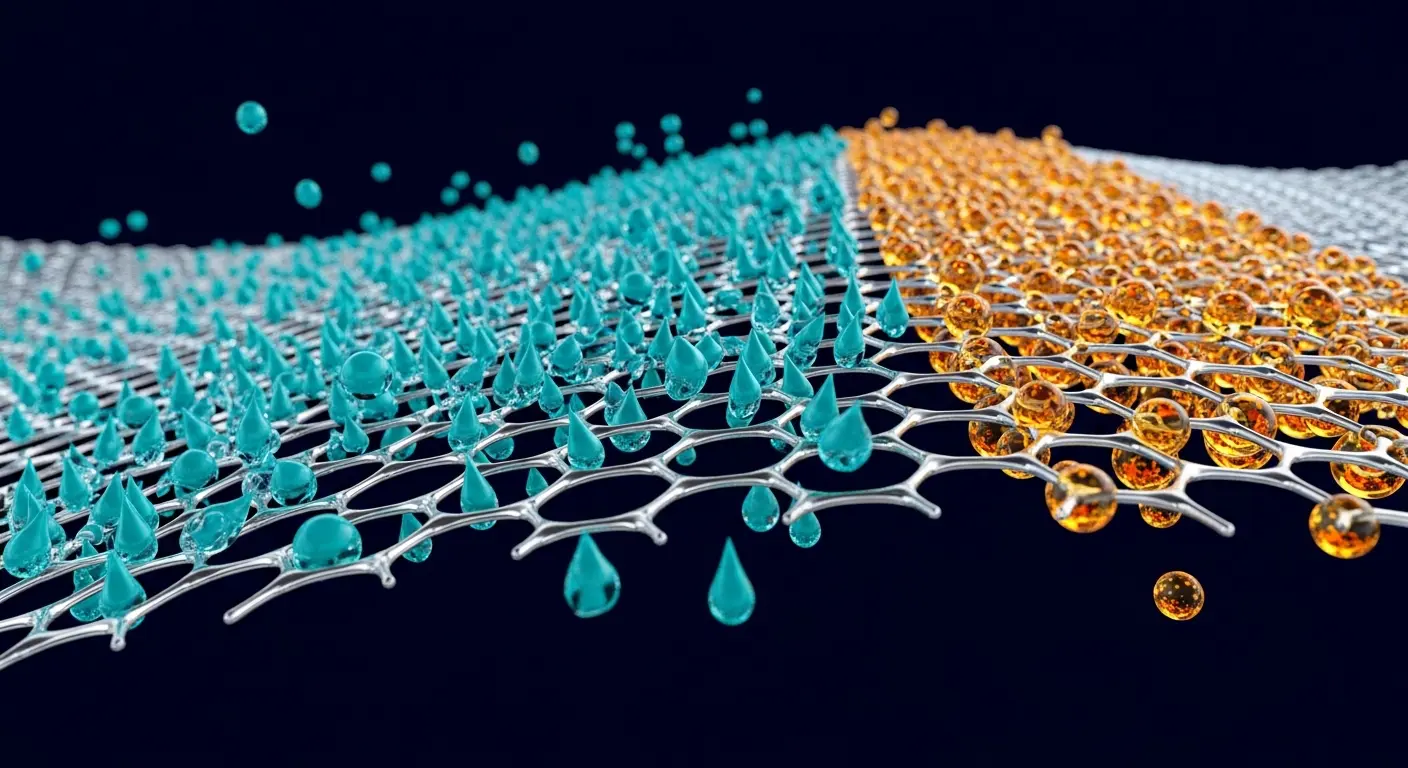
Professor JT Janssen, Chief Scientist at NPL, has been elected a Fellow of the Royal Society following a career distinguished by advances in quantum electrical metrology, work for which he received the IOP James Joule Medal in 2017. His research focuses on the behavior of electrons in nanostructured devices, contributing to the development of a quantum standard for electrical current and expanding understanding of phenomena like the quantum Hall effect in graphene and the Josephson effect. Janssen also provides scientific leadership across a broad spectrum of disciplines, while serving as President of the Consultative Committee on Ionising Radiation and on the council of the UKRI Science and Technology Facilities Council. “I am truly honoured to be elected to the Fellowship of the Royal Society,” Janssen said, “and it is also a recognition of the exceptional metrology research NPL undertakes.”
This specialized field focuses on establishing a quantum standard for electrical current, demonstrating a commitment to fundamental accuracy in electrical measurement. Janssen’s responsibilities as Chief Scientist at NPL include leading scientific engagement with academic and governmental bodies, encompassing disciplines from chemistry to medical life sciences, and reflecting the breadth of his leadership.
The recognition afforded by these roles reflects a commitment to translating advanced physics into practical, standardized measurements and applications. These appointments, coupled with contributions to areas like graphene and the Josephson effect, highlight a career that integrates theoretical investigation with practical application and international scientific leadership, ultimately benefiting areas beyond the scope of initial research.
I am truly honoured to be elected to the Fellowship of the Royal Society. It is also a recognition of the exceptional metrology research NPL undertakes, and I would like to thank the many colleagues and collaborators I have had the pleasure of working with throughout my career.
See today’s quantum computing news on Quantum Zeitgeist for the latest breakthroughs in qubits, hardware, algorithms, and industry deals.