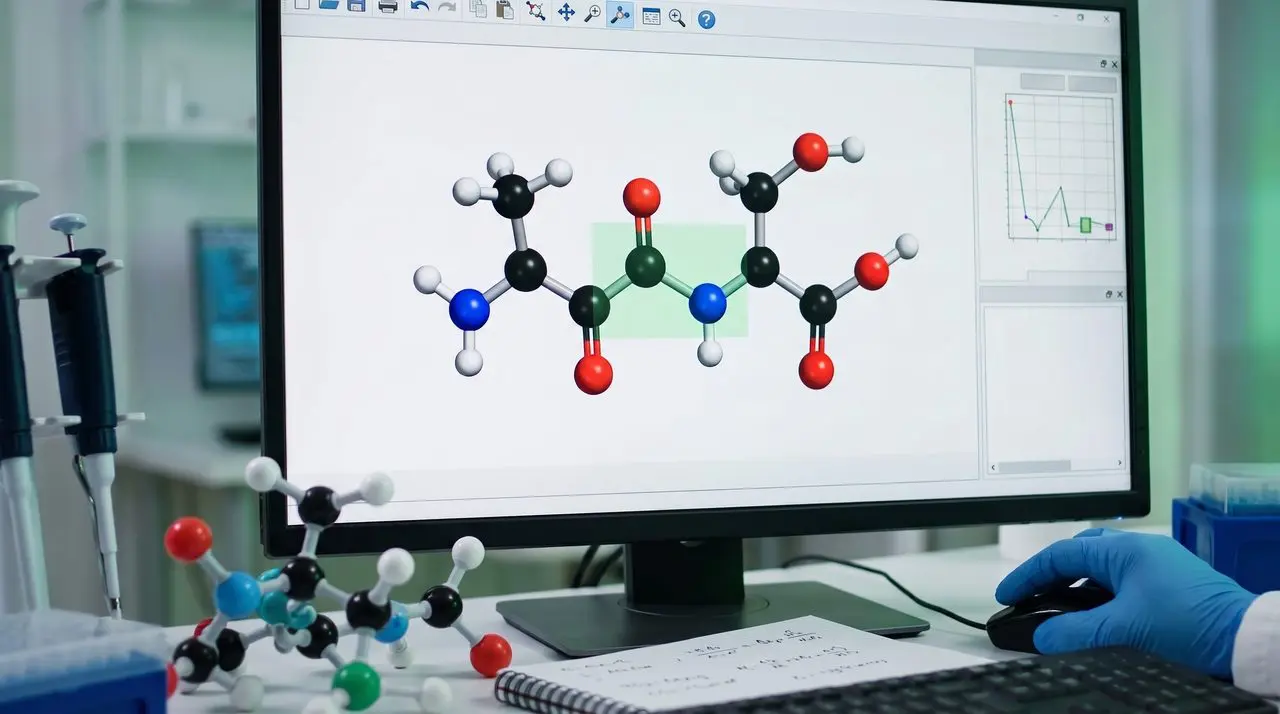
Xanadu Quantum Technologies and the University of Alberta have formed a research partnership to apply quantum computing to the design of new cancer treatments. The collaboration focuses on photodynamic therapy, a non-invasive approach that uses light-activated compounds to destroy tumor cells, and aims to overcome limitations in current drug discovery methods.
Xanadu recently demonstrated quantum computers can simulate crucial light-matter interactions within these compounds, properties difficult to predict using classical computational approaches. Founder and Chief Executive Officer of Xanadu, Dr. Christian Weedbrook, says that by leveraging early fault-tolerant quantum computers, they are positioning quantum computing as a competitive method for accelerating photodynamic drug discovery.
Xanadu-Alberta Partnership Targets Photosensitizer Challenges
Photodynamic therapy, a non-invasive cancer treatment, stands to benefit from a new partnership aiming to refine its core components. This collaboration seeks to bypass limitations inherent in both traditional experimentation and classical computational modeling of these complex molecules. Professor Alex Brown of the University of Alberta brings expertise in benchmarking computational simulations of these systems, promising a rigorous validation of the quantum computing advancements. Professor Brown, Professor and Chair, explained that photosensitizers are challenging systems because their performance depends on excited-state processes that are difficult to capture accurately with standard computational methods.
The partnership intends to strengthen Xanadu’s existing quantum-based workflow for drug design, expanding its capabilities to address increasingly complex challenges in photosensitizer development. Professor Brown’s contributions will be vital in pinpointing the mechanisms that determine therapeutic effectiveness, allowing for more targeted design.
Current methodologies for developing effective photosensitizers are hampered by a variety of hurdles. By leveraging early fault-tolerant quantum computers to model critical light-matter interactions within photosensitizers, we are positioning quantum computing as a highly competitive method for accelerating photodynamic drug discovery.
Dr. Christian Weedbrook, Founder and Chief Executive Officer of Xanadu



See today’s quantum computing news on Quantum Zeitgeist for the latest breakthroughs in qubits, hardware, algorithms, and industry deals.